The prickly pear, known in Morocco as “hendia” or “karmous nsara”, is far more than a summer fruit sold by the roadside. This fruit of the Opuntia ficus-indica cactus is packed with fibre, vitamin C and antioxidant pigments called betalains, while its seeds yield one of the most prized cosmetic oils in the country. Here is what we know about its composition, its benefits, a sensible dosage and the precautions to keep in mind before eating it regularly.
What is prickly pear?
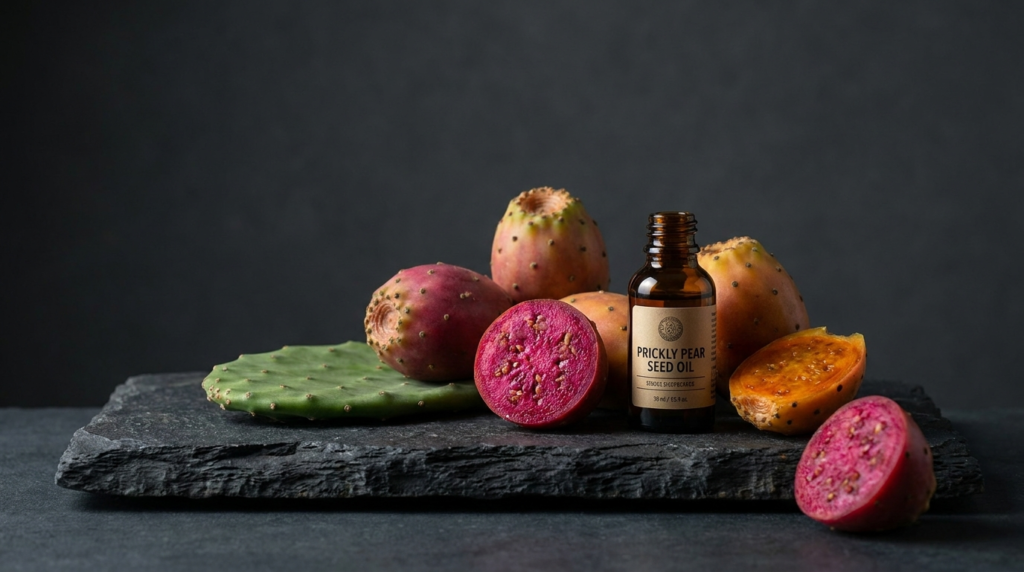
The prickly pear is the fruit of the prickly pear cactus, a member of the Cactaceae family native to Mexico and introduced to North Africa after the great voyages of exploration. It has adapted so well to Morocco’s arid soils and semi-arid climate that it is now part of the landscape in regions such as Rhamna, Sidi Ifni, Guelmim, Nador and Aït Baamrane.
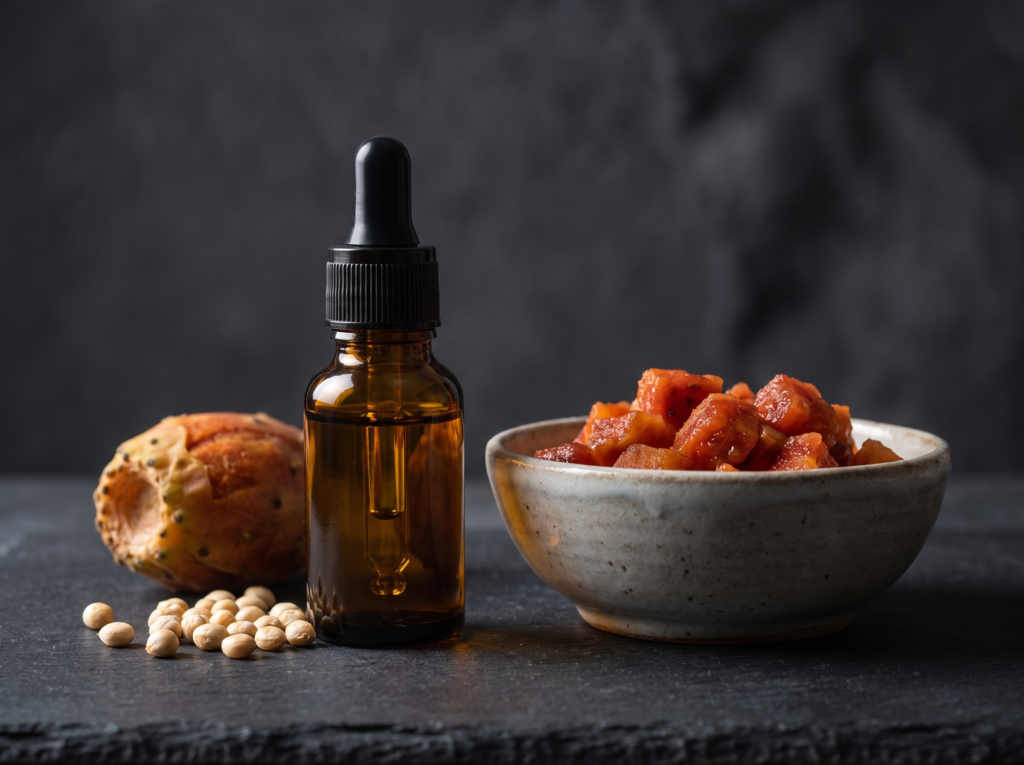
The plant is made up of fleshy pads (the cladodes, or “nopal”), which are actually flattened stems, and egg-shaped fruits covered in fine spines. Depending on the variety, the flesh ranges from yellow-orange to deep purplish red. It has three main uses: the fresh fruit eaten as is, the young pads cooked as a vegetable, and the oil extracted from the seeds, which is highly sought after in cosmetics.
Composition and active compounds of prickly pear
The fruit is low in calories — about 36 kcal per 100 g — and consists mostly of water. Its nutritional value lies in its density of micronutrients and phenolic compounds rather than in its energy content.
- Dietary fibre: mucilage and pectins, found in the flesh and the pads, which support bowel regularity and satiety.
- Vitamin C: prickly pear is a worthwhile source, alongside vitamin A and several B vitamins.
- Minerals: magnesium, potassium and calcium, particularly concentrated in the cladodes.
- Betalains: the pigments responsible for the yellow-orange (betaxanthins) or red-violet (betacyanins) colour, studied for their antioxidant activity.
- Polyphenols and flavonoids: quercetin, isorhamnetin and kaempferol, which are also antioxidants.
The seed oil has a very different profile. It is made up of more than 60% linoleic acid (omega-6), complemented by oleic acid (omega-9), and stands out for its high content of vitamin E (tocopherols) and phytosterols, mainly beta-sitosterol, campesterol and stigmasterol. This combination of essential fatty acids and fat-soluble antioxidants explains its reputation in skincare, comparable to that of argan oil.
The benefits of prickly pear
Traditional Moroccan uses partly overlap with what research has explored. However, most of the data still comes from small studies or in vitro work: the effects described below should be read as documented leads, not as therapeutic promises.
Support for bowel regularity and digestive comfort
Its richness in soluble fibre and mucilage is the best-established argument. These fibres hold water, increase stool bulk and ease intestinal transit. The mucilage also forms a gel that coats the digestive lining, which explains the traditional use of pad juice for stomach discomfort.
A significant antioxidant contribution
Betalains, polyphenols and vitamin C work together against oxidative stress, that is, the excess of free radicals that damages cell membranes. Several studies have measured a notable antioxidant capacity in fruit and cladode extracts, a profile also found in other plants of Moroccan herbal medicine such as olive leaf.
A possible effect on blood sugar
This is the best-documented use of nopal: several clinical studies, mostly from Mexico, have observed a reduction in post-meal blood sugar after eating cooked cladodes. The leading hypothesis is that the viscous fibres slow down carbohydrate absorption. This effect is in no way a substitute for diabetes treatment and calls for particular caution in people already on medication.
A potential benefit for the lipid profile
Soluble fibres trap some of the bile acids in the gut, which may help modulate blood cholesterol. This mechanism, shared by other mucilage-rich foods such as flaxseed, remains modest and depends heavily on the overall diet.
Hydration and urinary comfort
Made up of more than 80% water and rich in potassium, the fruit contributes to hydration, which explains its popularity during heatwaves. Traditional medicine also credits it with a mild diuretic effect, which is less well documented scientifically.
Skin, hair and the anti-ageing effect of the oil
Prickly pear seed oil is prized for its vitamin E and phytosterol content. The essential fatty acids it provides are building blocks of cell membranes and support the skin’s barrier function, while its antioxidants limit lipid peroxidation. In practice, it is used as a night serum on dry or mature skin, and sometimes to care for hair ends.
A traditional hangover remedy
A North American clinical study evaluated an Opuntia ficus-indica extract on symptoms following alcohol consumption, with an effect observed on certain inflammatory markers. This is an isolated finding and should be considered anecdotal.
How to use it and dosage
There is no official, harmonised dosage for prickly pear: the guidelines below reflect common usage and the amounts used in the scientific literature.
- Fresh fruit: 1 to 3 fruits a day, preferably between main meals. Carefully remove the skin and the glochids (the fine spines) using gloves or a knife.
- Juice or nectar: one 150 to 200 ml glass, bearing in mind that filtered juice loses most of the fibre.
- Pads (nopal): 100 to 150 g of young cladodes, cooked or grilled and served as a vegetable.
- Cladode powder in capsules: strictly follow the manufacturer’s directions, usually 500 to 1,000 mg before meals.
- Seed oil: external cosmetic use only. 2 to 4 drops on clean facial skin in the evening, gently massaged in.
For the oil, choose a cold-pressed product in a tinted glass bottle and store it away from light and heat. The extraction yield is very low, which explains the high price of the genuine product and the frequency of fraudulent dilutions on the market.
Precautions and contraindications
Eaten in normal food amounts, prickly pear is well tolerated by most adults. A few situations nevertheless call for caution.
- Constipation and bowel obstruction: the seeds, which are very hard and indigestible, can form intestinal concretions (faecal impaction) when eaten in excess, especially in older people or those already prone to constipation. This is the most frequently reported risk.
- Treated diabetes: the possible effect on blood sugar may add to that of glucose-lowering medication. Medical advice and blood sugar monitoring are necessary.
- Pregnancy and breastfeeding: the fruit remains a food, but concentrated supplements and cladode extracts have not been adequately evaluated and should be avoided.
- Medications: fibre can reduce the absorption of certain drugs; space doses at least two hours apart.
- Handling: glochids easily lodge in the skin. Wear gloves and rinse the fruit under water before peeling it.
- Mild side effects: bloating, diarrhoea or nausea with heavy consumption.
For the oil, a patch test in the crook of the elbow is recommended before first use, as with any vegetable oil.
Prickly pear FAQ
How many prickly pears can you eat a day?
One to three fruits a day is a reasonable guideline for a healthy adult. Beyond that, the volume of seeds swallowed increases the risk of digestive discomfort and constipation. Drinking enough water throughout the day helps limit this problem.
Should you swallow the seeds?
The seeds are not digested and pass through the gut intact. Swallowing them occasionally is harmless for most people, but those prone to constipation, with diverticulosis or a history of bowel obstruction would do better to choose filtered juice or spit out the seeds.
Is prickly pear oil suitable for oily skin?
Its high linoleic acid content makes it a fairly dry-feeling oil, generally well tolerated by combination to oily skin. It is still an oil, however: apply a very small amount and use it less often if you notice breakouts.
Conclusion
Prickly pear perfectly illustrates the logic of Moroccan herbal tradition: a hardy, accessible fruit in which every part has a use. Its main assets — fibre, vitamin C and betalains in the fruit, essential fatty acids and vitamin E in the oil — rest on solid nutritional data and more preliminary clinical evidence. Eaten in moderation and handled properly, it makes a pleasant addition to a varied diet, without replacing medical follow-up when needed.
Further reading
- Opuntia ficus-indica — full botanical profile on Wikipedia
- Argan oil: benefits, dosage and precautions
- Flaxseed: benefits, dosage and precautions
- Olive leaf: benefits, dosage and precautions
This article is for information only and does not replace medical advice. Consult a healthcare professional before taking any supplement, especially if you are on medication, pregnant, breastfeeding or living with a chronic condition.