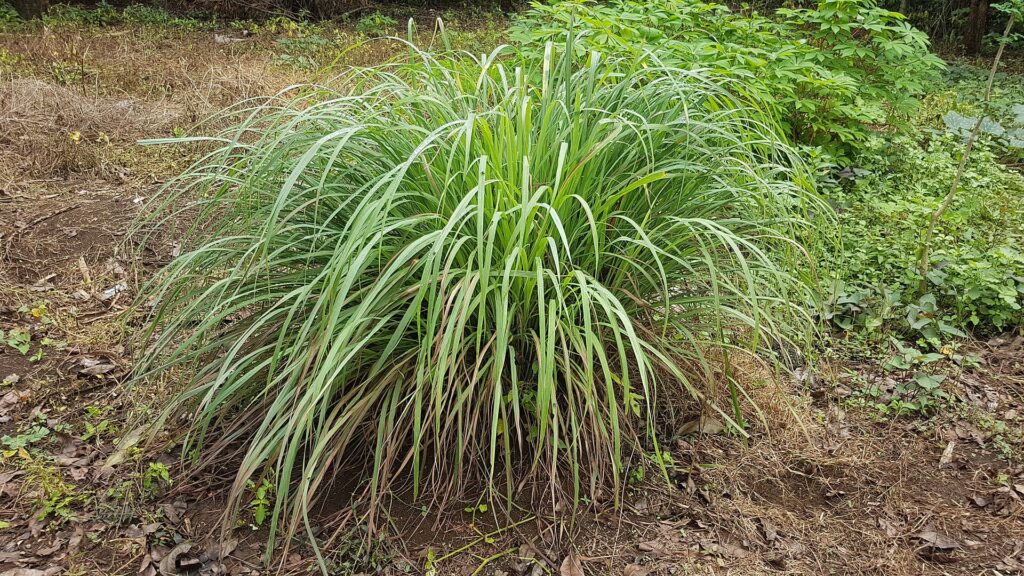
Lemongrass (Cymbopogon citratus) is a tall, lemon-scented grass that is very popular as a herbal tea for digestion and relaxation. In Morocco, it is increasingly found at herbalists’ shops and in herbal tea blends. But what does science really say about its benefits? What dose should you stick to and what precautions should you take? Here is the complete guide.
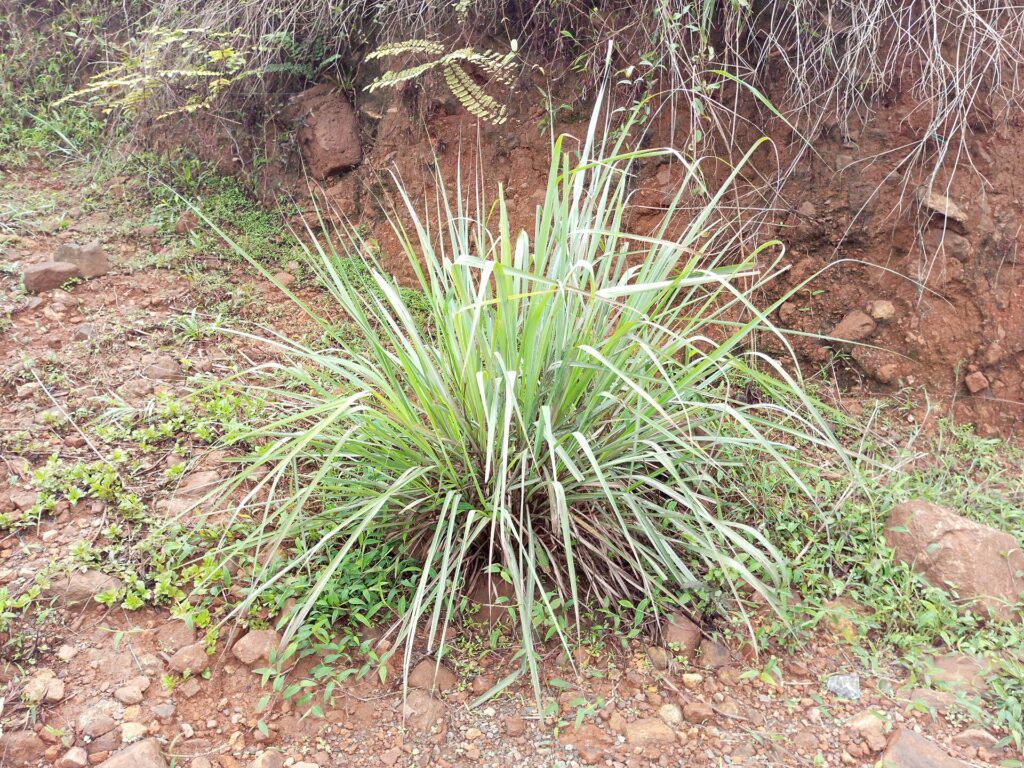
What is lemongrass?
Lemongrass, also known as “West Indian lemongrass” or citronella grass, belongs to the grass family (Poaceae). Native to tropical Asia, it forms clumps of long, thin, sharp-edged leaves, whose white, fleshy base is used in Asian cooking.
The Cymbopogon genus includes many species. Culinary and medicinal lemongrass (C. citratus) should not be confused with Java or Ceylon citronella (C. winterianus, C. nardus), which are mainly used as mosquito repellents.
Be careful with local names too: in Morocco, the word “citronnelle” is sometimes used for other lemon-scented plants, such as lemon balm or lemon verbena (louiza). Always check the Latin name on the packaging.
Composition and active compounds of lemongrass
Its characteristic scent comes from its essential oil, dominated by citral, a mixture of two molecules: geranial and neral. It also contains other interesting compounds:
- Citral: the main component of the essential oil, studied for its antimicrobial and anti-inflammatory effects.
- Myrcene: a monoterpene with relaxing and pain-relieving properties in the laboratory.
- Polyphenols and flavonoids (including luteolin): antioxidants present in the infusion.
- Chlorogenic acid: identified as one of the contributors to the anti-inflammatory activity of the leaf infusion.
The 7 benefits of lemongrass
Most of these effects have been observed in the laboratory or in animals. Human studies remain few in number: we specify the level of evidence for each benefit.
1. An ally for digestion
In traditional medicine, this herbal tea is used after meals for bloating, cramps and sluggish digestion. In rats, an infusion of the plant showed a protective effect on the stomach lining against alcohol-induced lesions. These results have yet to be confirmed in humans.
2. Possible support for blood pressure
A scientific review published in 2022 in the journal Biology reports that drinking this herbal tea lowered blood pressure in healthy and hypertensive subjects. Citral and flavonoids are thought to promote the dilation of blood vessels. It is in no way a substitute for blood pressure medication.
3. Antimicrobial and antifungal action
In the laboratory, its essential oil acts against many microbes, including some resistant bacteria and fungi. A few small human studies suggest it may help against oral thrush and, as a gel or mouthwash, against chronic gum disease (periodontitis).
4. Antioxidant and anti-inflammatory properties
Its polyphenols protected human blood vessel cells against oxidative stress in vitro. The leaf infusion has also shown anti-inflammatory activity in the laboratory, linked in particular to chlorogenic acid.
5. A moment of relaxation
In animals, the essential oil has anxiolytic and sedative effects, partly via the GABA system. In humans, the results are more nuanced: brief inhalation of its aroma reduced perceived anxiety in one study, but the tea showed no calming effect or improvement in sleep in the available trials. It remains a pleasant herbal tea for an evening ritual.
6. Of interest for painful periods
Recent research suggests that this plant could relieve menstrual pain by reducing inflammation and oxidative stress and by relaxing the muscles of the uterus. These data are still preliminary.
7. A plant for the skin
A small pilot study tested its essential oil, applied topically, against pityriasis versicolor, a fungal skin infection. It is also used in aromatherapy and as a natural repellent. It must always be diluted before application.
How to use lemongrass: directions and dosage
There is no officially validated dose for this plant. The guidelines below reflect common traditional uses:
- As a herbal tea: 1 teaspoon of dried leaves (or a few pieces of fresh stalk) per cup of simmering water, infused for 5 to 10 minutes. 1 to 3 cups a day, for short periods.
- In cooking: the base of the stalk, finely sliced, flavours soups, curries, marinades and fish.
- Essential oil: for external use or diffusion only, always diluted in a vegetable oil (argan, sweet almond). Do not swallow it without the advice of a healthcare professional.
Tip: lemongrass goes very well with mint, ginger or lemon verbena for a homemade digestive infusion.
Precautions and contraindications for lemongrass
Consumed in culinary amounts, lemongrass is well tolerated. In larger amounts, a few precautions apply:
- Pregnancy: at high doses, citral and myrcene caused birth defects in rats. As a precaution, avoid medicinal use of lemongrass during pregnancy and breastfeeding.
- Kidneys and liver: excessive or prolonged consumption of this herbal tea could affect kidney function. At high doses, the essential oil can irritate the liver and the stomach lining.
- Side effects: dizziness, drowsiness, dry mouth, frequent urination or increased appetite have been reported.
- Skin allergies: the essential oil can cause contact dermatitis. Do a patch test in the crook of your elbow.
- Medications: some compounds could interact with liver enzymes (CYP450). Ask for advice if you are on medication, particularly for high blood pressure.
- Children: no essential oil for children without medical advice.
Lemongrass FAQ
Can you drink lemongrass tea every day?
One to three cups a day over a short period are suitable for most healthy adults. Avoid long, intensive courses because of possible effects on the kidneys, and take regular breaks.
Does lemongrass help you lose weight?
No serious study shows that lemongrass causes weight loss. It can replace sugary drinks and aid digestion, but it does not burn fat.
What is the difference between lemongrass, lemon verbena and lemon balm?
They are three different lemon-scented plants. Lemongrass is a tropical grass (Cymbopogon citratus), lemon verbena (louiza) is a shrub (Aloysia citrodora) and lemon balm (Melissa officinalis) belongs to the mint family.
Conclusion
Lemongrass is a pleasant aromatic plant, rich in citral and polyphenols, traditionally used for digestion and relaxation. Research is encouraging for blood pressure, oral hygiene and the skin, but remains limited in humans. Consumed in moderation, and avoided during pregnancy, it has its place in a natural wellness routine.
Further reading
- External source: Cymbopogon citratus on Wikipedia
- Also read: Lemon verbena: benefits, dosage and precautions
- Also read: Lemon balm: benefits, dosage and precautions
- Also read: The benefits of spirulina
This article is provided for information purposes only and does not replace the advice of a doctor, pharmacist or healthcare professional. Consult one before using any plant for therapeutic purposes, especially if you are pregnant, have a chronic illness or are undergoing treatment.