Borage (Borago officinalis) is a plant with blue, star-shaped flowers that has been used for centuries in Mediterranean herbal medicine, where it is known in particular as “lissane tour”. While its leaves and flowers belong to tradition, it is the oil extracted from its seeds that interests modern herbal medicine today: it is the richest known plant source of gamma-linolenic acid (GLA), an omega-6 fatty acid that is rare in the everyday diet.

Skin, women’s comfort, joint flexibility: the claimed uses are many, but they do not all rest on the same level of evidence. This guide takes a factual look at the plant’s composition, its documented benefits, the doses usually used and, above all, the essential precautions, because not all parts of the plant are equal.
What is borage?
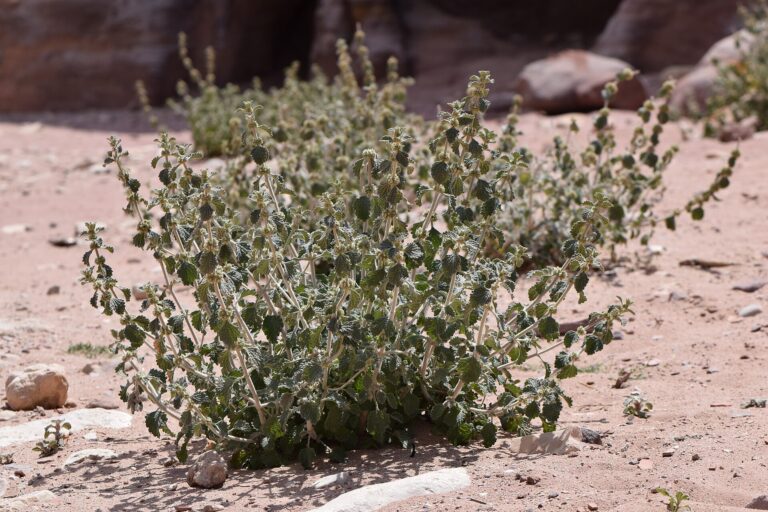
Borage is an annual plant of the Boraginaceae family, native to the Mediterranean basin. It is instantly recognisable by its stems and leaves covered in rough hairs, and by its bright blue, five-pointed star-shaped flowers, which are very popular with bees.
In Morocco, it grows wild in spring in fields, on waste ground and in damp cultivated areas. The young leaves were long eaten as a vegetable, while the dried flowers and aerial parts went into traditional infusions reputed to promote sweating and cleanse the body.
One distinction is essential and shapes the rest of this article: the aerial parts (leaves, stems, flowers) and the cold-pressed seed oil have neither the same composition nor the same safety profile. The dietary supplements sold today are based almost exclusively on the seed oil.
Composition and active compounds
Borage seed oil is first and foremost a concentrate of polyunsaturated fatty acids:
- Gamma-linolenic acid (GLA): 20 to 26% of the oil, making it the richest known plant source of this compound.
- Linoleic acid: up to about 38%, an essential omega-6.
- Oleic and palmitic acids in smaller proportions.
- Vitamin E, a natural antioxidant that helps protect the oil from oxidation.
The aerial parts have a very different profile: mucilages (responsible for the traditional soothing effect), tannins, flavonoids, mineral salts and silica. They also contain pyrrolizidine alkaloids, potentially liver-toxic compounds that we come back to below.
The benefits of borage
An exceptional source of gamma-linolenic acid
GLA is a fatty acid that the body normally makes on its own from dietary linoleic acid. This conversion can, however, be slowed by age, stress, smoking or an unbalanced diet. Providing GLA directly, as borage oil does, bypasses this step. GLA then serves as a precursor to mediators involved in regulating the inflammatory response.
Borage and skin health
This is its most popular use. The oil’s fatty acids contribute to the structure of the skin’s hydrolipidic film and cell membranes, which explains its use for dryness, tightness and loss of skin suppleness. One study reported a reduction in the number of acne lesions with 2 g of borage oil per day, providing 400 mg of GLA, for ten weeks.
On eczema, however, we have to be honest: an analysis pooling 27 studies concluded that borage and evening primrose oils did not significantly improve the symptoms of atopic eczema compared with a placebo. Borage is therefore not a treatment for atopic dermatitis.
Women’s comfort and premenstrual syndrome
GLA intake is traditionally recommended to ease the symptoms of premenstrual syndrome: breast tenderness, irritability, lower abdominal discomfort. The hypothesis put forward is a better balance of inflammatory mediators and good cell-membrane fluidity. Data remain limited, but the use is widespread and well tolerated.
Joint flexibility
The anti-inflammatory properties attributed to GLA have led to borage oil being suggested as support for chronic joint discomfort. It is then considered as a complement to a healthy lifestyle, never as a substitute for medical care of an inflammatory joint disease.
Cardiometabolic balance
Some studies have suggested that gamma-linolenic acid intake could help lower LDL cholesterol and have a favourable effect on blood pressure. These leads are interesting but need confirmation: they in no way justify stopping a current treatment.
Traditional uses of the flowers and leaves
In traditional herbal medicine, borage flower infusion was used as a sweat-inducing drink during fevers and chills, and as a soother for the respiratory tract thanks to its mucilages. This traditional use is now discouraged over the long term because of the alkaloids present in the aerial parts.
How to use borage and dosage
The reference form is first cold-pressed seed oil, in capsules or in a bottle.
- Orally: the doses usually used are around 1 to 2 g of oil per day, or about 200 to 400 mg of GLA, taken with a meal to help the body absorb the fats.
- Duration: a course of two to three months is the most common practice, as the effects on the skin are not seen for several weeks.
- On the skin: a few drops of the oil applied in the evening to clean skin, on its own or mixed into a cream, on the face, the hands or dry areas.
- Storage: polyunsaturated fatty acids oxidise quickly. Keep the bottle away from light and heat, and in the fridge once opened.
Preferably choose a virgin, unrefined borage oil whose manufacturer guarantees testing for pyrrolizidine alkaloids.
Precautions and contraindications
The main point of vigilance concerns pyrrolizidine alkaloids, present in the leaves, stems and flowers. These compounds are considered liver-toxic and potentially carcinogenic with repeated exposure. When the seeds are cold-pressed, they are hardly extracted at all: the oil contains only traces, which is why it is the preferred form.
- Avoid prolonged infusions of the aerial parts; keep them for very occasional use, or avoid them altogether.
- Pregnancy and breastfeeding: borage is not recommended.
- Liver problems: contraindicated in case of liver disease.
- Anticoagulant or antiplatelet treatment: ask for medical advice before any course.
- Epilepsy or treatments that lower the seizure threshold: caution is advised with GLA-rich oils.
- Planned surgery: stop supplementation a few days before the operation.
- Keep the plant for adults and follow the doses indicated by the manufacturer.
At usual doses, the oil is generally well tolerated; mild digestive upset, nausea or headaches are occasionally reported.
Borage FAQ
What is the difference between borage and evening primrose?
Both oils provide GLA, but borage oil is much more concentrated in it (20 to 26%) than evening primrose oil. For an equivalent dose of GLA, you therefore need less borage oil. The two are often combined in supplements for the skin and women’s comfort.
How long does it take to see the effects?
Fatty acids first have to be incorporated into cell membranes. Generally allow four to eight weeks of regular use before assessing any change in skin quality; the study mentioned above lasted ten weeks.
Can you take borage every day?
The seed oil is taken daily for the duration of a course, after which it is sensible to take a break. Infusions of the aerial parts, on the other hand, should not be drunk daily over the long term.
Key takeaways
Borage is a plant with two faces: an ancient herbal tradition built around its flowers, and a well-established modern supplement built around its seed oil, the plant champion of gamma-linolenic acid. For the skin, women’s comfort and joint flexibility, it is this oil, virgin and properly stored, that should be favoured, at 1 to 2 g per day over a two- to three-month course. Steer clear of prolonged leaf infusions, and ask a healthcare professional for advice if you are pregnant, on treatment or have a history of liver problems.
Further reading
- Full botanical profile of borage on Wikipedia
- Argan oil: benefits, dosage and precautions
- Nettle: benefits, dosage and precautions
- The benefits of spirulina
This article is provided for information purposes only and is not a substitute for medical advice. Ask your doctor or pharmacist for advice before starting any course, especially if you are pregnant, breastfeeding, living with a chronic condition or already on treatment.