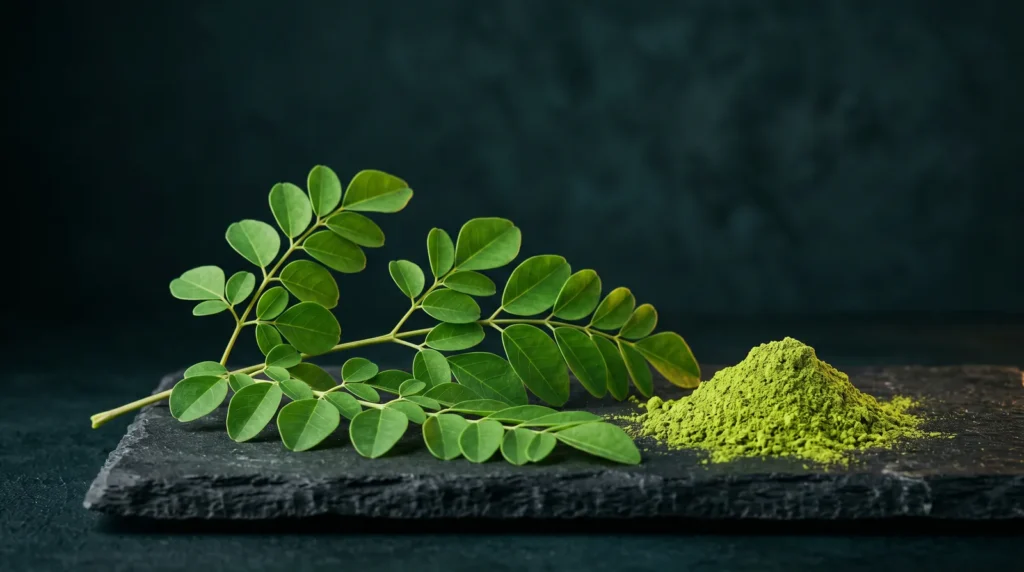
The benefits of moringa, the “tree of life,” come from its exceptional nutritional richness.
Nicknamed the “tree of life,” moringa is one of the most nutrient-dense superfoods found in nature. Used for centuries, it is now enjoying a genuine surge in popularity as a natural vitality supplement. What does the research actually say, and how can it fit into your daily routine? Here is a clear, evidence-based guide.
Table of Contents
What is moringa?
Moringa (Moringa oleifera) is a tree native to northern India, whose leaves have been eaten for thousands of years. It’s the leaves that hold most of its nutritional value: they naturally contain vitamins, minerals (iron, calcium, potassium) and numerous antioxidants. Our Moringa 1000 mg capsules are made from high-quality leaf powder.
The benefits of moringa
- Nutrient density. Moringa leaves are a natural source of vitamins and minerals, making them a popular way to support overall nutrient intake.
- Antioxidants. Moringa contains many antioxidant compounds (such as quercetin) that help fight oxidative stress.
- Blood sugar and cholesterol. Review studies suggest a moderate effect on blood sugar and cholesterol levels; human data remain limited and short-term.
- Energy and well-being. Thanks to its nutritional richness, it is often used to support everyday energy and general well-being.
Note: many of the claimed benefits are based on preliminary or animal studies. Moringa is first and foremost a nutritional supplement, meant to complement a balanced diet.
How to take moringa
- As a powder, it blends easily into a smoothie, juice, or dish; in capsules, it offers a simple dosage without the sometimes-strong plant taste of the powder.
- Our Moringa 1000 mg is taken at a rate of 2 to 3 capsules a day after meals.
- Consistency matters most: it’s over time that the nutritional benefit is felt best.
Precautions and contraindications
- Not recommended during pregnancy and breastfeeding (certain parts of the plant are traditionally discouraged for pregnant women).
- If you have diabetes, hypertension, a thyroid condition, or are on medication, seek medical advice, as moringa may interact with certain treatments.
- At high doses, it may cause mild digestive discomfort.
This content is provided for informational purposes only and does not replace the advice of a healthcare professional. Moringa is a food supplement, not a medicine: it does not treat or cure any disease.
The tree of life: origin and history
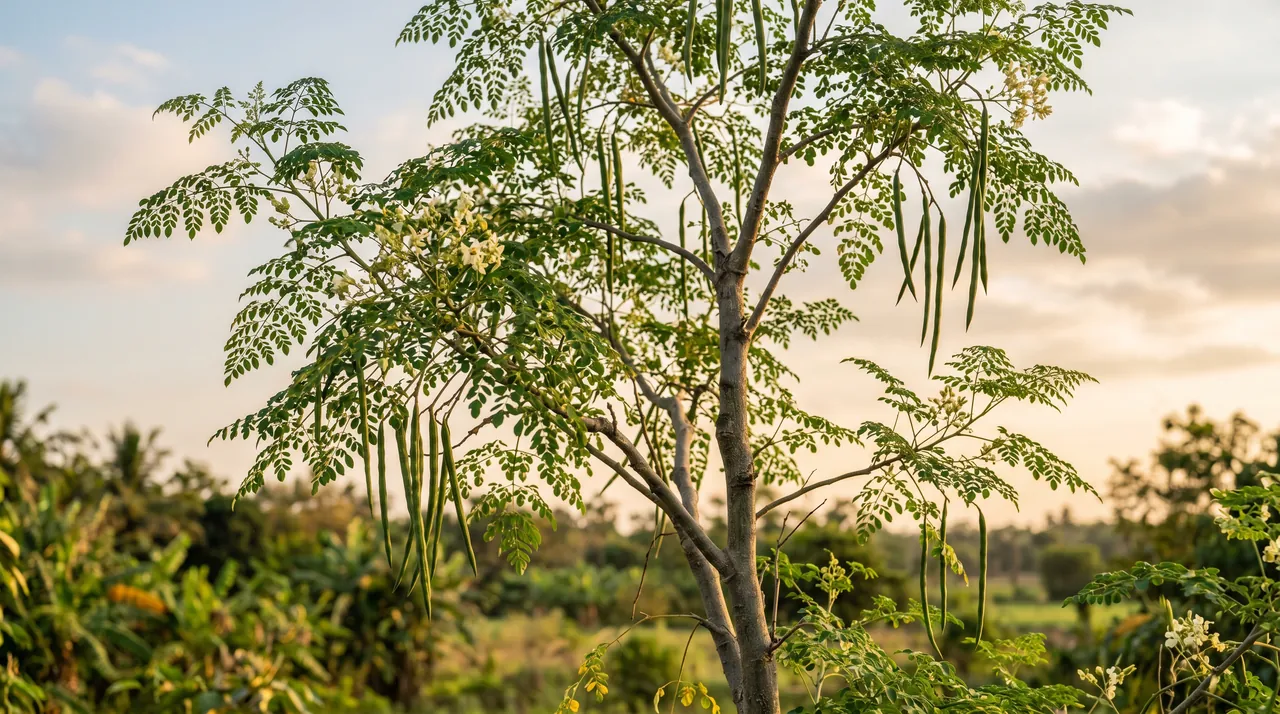
Moringa (Moringa oleifera) is a tree native to northern India, now grown across many tropical regions of Africa, Asia, and Latin America. Nicknamed the “tree of life” or “miracle tree,” it has been used for centuries, both as a food source and for traditional uses. Its defining trait is its remarkable hardiness: it grows quickly, withstands drought, and produces edible leaves all year round, making it a precious resource in areas where diets are less varied. It is mainly the leaves, dried and ground into powder, that hold most of the nutrients people seek.
This reputation as a nourishing tree is well earned: few plants offer such a combination of nutrient density and ease of cultivation. This richness explains the worldwide enthusiasm moringa enjoys today as a natural supplement.
A remarkable nutritional profile
What makes moringa so fascinating is above all its nutrient density. Its leaves contain a wide range of vitamins (notably A, C and E, as well as several B vitamins), minerals (calcium, potassium, iron, magnesium) and amino acids, including all the essential amino acids. This completeness is rare in the plant kingdom and explains why moringa is sometimes described as a superfood in its own right. It also provides fiber and plant protein, making it an interesting way to enrich a diet, particularly for those following a vegetarian or vegan diet.
That said, it’s important to keep a sense of proportion: taken at a reasonable dose, alongside a balanced diet, moringa provides a valuable boost of micronutrients, but it cannot on its own cover all of the body’s needs.
What does the scientific research say?
Moringa is the subject of growing scientific interest. Several preliminary studies have looked at its richness in antioxidants — notably polyphenols such as quercetin and chlorogenic acid — believed to help neutralize the free radicals involved in cellular aging. Other research has explored its possible influence on blood sugar and certain markers of inflammation. Early results are encouraging, but most of these studies remain preliminary or were carried out on small samples, and need confirmation. Moringa is not a medicine and does not treat any disease: if you have a health concern, a professional’s advice remains essential.
Moringa, energy and everyday vitality
Thanks to its richness in iron and vitamins, moringa is traditionally used to support energy and fight temporary fatigue. Iron helps carry oxygen through the body, and an insufficient intake often shows up as a feeling of sluggishness. Alongside a balanced diet, this green powder can therefore help maintain energy levels, without the stimulating effect of caffeine-like substances. Many users add it to their morning routine to start the day well, enjoying steadier, longer-lasting vitality.
Antioxidants and balance
The antioxidants found in this tree’s leaves are thought to help protect cells from oxidative stress, a natural phenomenon accelerated by pollution, smoking, an unbalanced diet, or stress. By supporting the body’s natural defenses against these aggressors, moringa fits into an overall approach to well-being and prevention. It is not a “cure,” but rather a complementary source of protective compounds, best used as part of an already healthy lifestyle to get the most out of it.
How to choose a quality powder
The quality of a powder depends largely on how the leaves were grown, harvested, and dried. Low-temperature drying, in the shade rather than direct sunlight, best preserves the vitamins and antioxidants, which are sensitive to heat and light. Here are a few pointers for choosing well:
- The part used: choose a product made from leaves, which are safer and more nutritious than the root or bark.
- The color: a rich, vivid green powder usually points to careful drying.
- The origin: clearly stated provenance and pesticide-free growing.
- Purity: a product with no additives or fillers, lab-tested.
- Certification: in Morocco, compliance with ONSSA standards is a mark of reliability.
How to add it to your diet
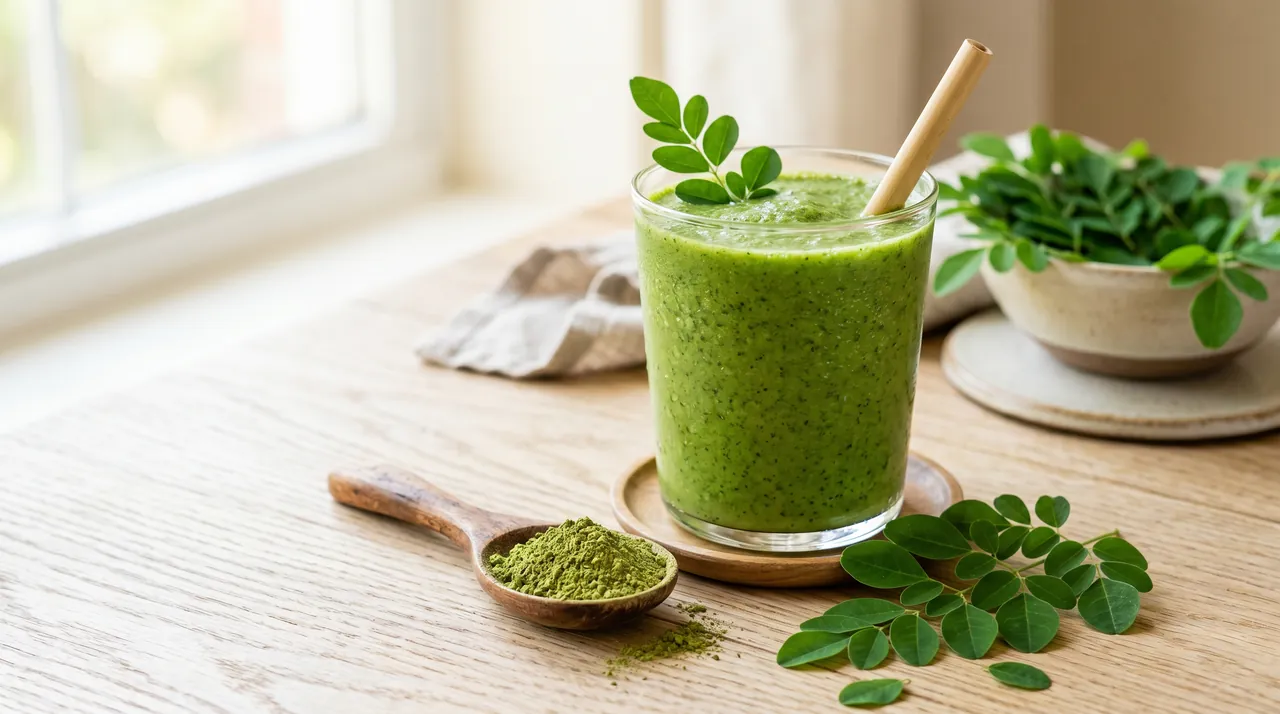
In capsule form, it’s ready to use right away: just follow the recommended dose with a glass of water. In powder form, its slightly grassy, plant-based flavor works well in many preparations. You can stir it into a fruit smoothie, sprinkle it over soup or salad, mix it into yogurt or applesauce, or add it at the end of cooking to a dish. To preserve its nutrients, it’s best not to expose it to prolonged high-heat cooking. Start with a small amount, about half a teaspoon, then gradually increase it according to your taste and tolerance.
Store the product away from light and moisture, in an airtight container, to preserve its freshness and active-compound content over the weeks.
A helpful ally for plant-based diets
For people reducing or eliminating animal products, this tropical tree makes for a particularly interesting supplement. Its content of plant-based iron, calcium, and complete protein makes it a relevant addition for diversifying nutrient intake. It obviously doesn’t replace a carefully planned diet, but it can help fill some of the common gaps in vegetarian and vegan diets. As with any major dietary change, guidance from a nutrition professional helps ensure all needs are properly covered.
Precautions and contraindications
Taken at food-level doses, the leaves are generally well tolerated. A few precautions are nonetheless in order. Pregnant women should avoid the root and bark, which are traditionally discouraged, and should seek medical advice before consuming leaf powder. Because of its possible influence on blood sugar and blood pressure, people being treated for diabetes or hypertension should consult their doctor before starting a course, to avoid any additive effect with their treatment. Finally, introducing it gradually helps limit any digestive discomfort at the start of a course.
Common myths, corrected
- “It’s a medicine”: no, it’s a food and a supplement, and it does not cure any disease.
- “More is better”: false, a moderate, regular dose is preferable.
- “All powders are the same”: not true, the quality of drying and origin changes everything.
Skin and hair beauty
Rich in antioxidant vitamins and amino acids, this tropical tree is also valued from a “beauty from within” perspective. Vitamins A and E help maintain normal skin and protect cells from oxidative stress, while minerals and proteins contribute to the strength of hair and nails. The oil extracted from its seeds is also used in cosmetics for its nourishing properties. Without promising miracles, a regular intake of these micronutrients, alongside a balanced diet and good hydration, helps maintain the skin’s natural radiance. Beauty remains, above all, a reflection of overall lifestyle, of which diet is just one pillar.
Digestion and gut comfort
The leaves provide fiber that supports healthy transit and digestive comfort. Traditionally, they have been credited with soothing properties for the digestive system, although these uses stem more from tradition than from solid scientific evidence. To enjoy this fiber intake without discomfort, gradual introduction and good hydration are essential. As is often the case, consistency and moderation matter more than large one-off amounts, which could instead upset a sensitive gut.
How to start a course
For a first try, it’s best to start slowly. Begin with a small dose in the morning to observe how your body reacts, then gradually increase up to the amount recommended on the packaging. A typical course generally lasts four to eight weeks, and can be repeated after a break. Consistency is key: regular use, built into a routine, will give better results than sporadic consumption. Listen to your body, and don’t hesitate to lower the dose if you feel any discomfort.
Quality and regulation in Morocco
In Morocco, food supplements must meet quality and safety standards. Certification by ONSSA, the National Food Safety Office, is a valuable marker: it confirms that manufacturing and controls meet strict requirements. When buying, take the time to check the origin, dosage, expiry date, and how transparent the brand is about its supply chain. A serious manufacturer is happy to share where its raw materials come from and how it works. These simple habits help you avoid dubious-quality products and enjoy your course with peace of mind.
Key takeaways
A true concentrate of nutrients, the tree of life lives up to its superfood reputation. Its richness in vitamins, minerals, proteins, and antioxidants makes it a supplement of choice for supporting energy, natural defenses, and overall balance, provided it’s added to an already balanced diet. To get the most out of it, choose a well-dried leaf powder with transparent, certified origins, and follow the usage precautions. In case of pregnancy, medical treatment, or doubt, a healthcare professional’s advice remains the best safeguard. Used regularly and sensibly, this gift from nature naturally finds its place in an everyday wellness routine.
Support through the seasons
Many people choose to take a course during times when the body is under more strain: at the start of winter, during seasonal changes, or after a period of fatigue. The vitamin and mineral richness of this green powder makes it a relevant boost for supporting energy and natural defenses during these more demanding phases. You can absolutely alternate courses with other plants or superfoods depending on your needs at the time, while always being careful not to needlessly stack up supplements. The goal isn’t to accumulate, but to intelligently support the body’s real needs throughout the year.
Who is it for?
This supplement can appeal to a wide range of people: active people looking for natural energy support, those wanting to enrich a plant-based diet, or those going through a period of temporary fatigue. It is primarily intended for healthy adults, as part of a balanced diet. Pregnant or breastfeeding women, children, and people on medical treatment should instead seek medical advice before taking it. Like any supplement, it doesn’t replace a varied diet or a healthy lifestyle: it complements them, never substitutes for them. It’s in this spirit of complementarity that it reveals its full value.
More questions
When should you take it? Preferably in the morning or at midday, to benefit from its energy boost during the day. Can you take it all year round? It’s best to take it in courses, with regular breaks, rather than continuously without interruption. Is the taste strong? Its fairly pronounced plant flavor becomes milder once mixed into a smoothie or a dish. Capsules or powder? Capsules are more convenient and tasteless, while the powder lends itself to cooking; the choice mostly comes down to your habits. Is it suitable for children? Its use in children should first be discussed with a doctor. In short, a quality product, a moderate dose, and consistency are the best guarantees of a successful course.
Frequently asked questions
Does moringa give you energy?
It mainly supports nutrient intake, which can contribute to overall energy levels, rather than producing an immediate stimulant effect.
Powder or capsules?
The powder is versatile in cooking; capsules are more convenient for a precise, taste-free dose.
Is moringa suitable for everyone?
For most healthy adults, yes, but it is not recommended for pregnant or breastfeeding women and requires medical advice if you’re on treatment.
In summary
Moringa is a superfood rich in nutrients and antioxidants, valued for supporting everyday vitality and well-being, with encouraging (though still limited) leads on blood sugar and cholesterol. To make the most of it, choose a quality moringa and use it regularly as part of a balanced diet.
To learn more: read more about moringa (external source).
ESCOP — ONSSA Certified · Morocco
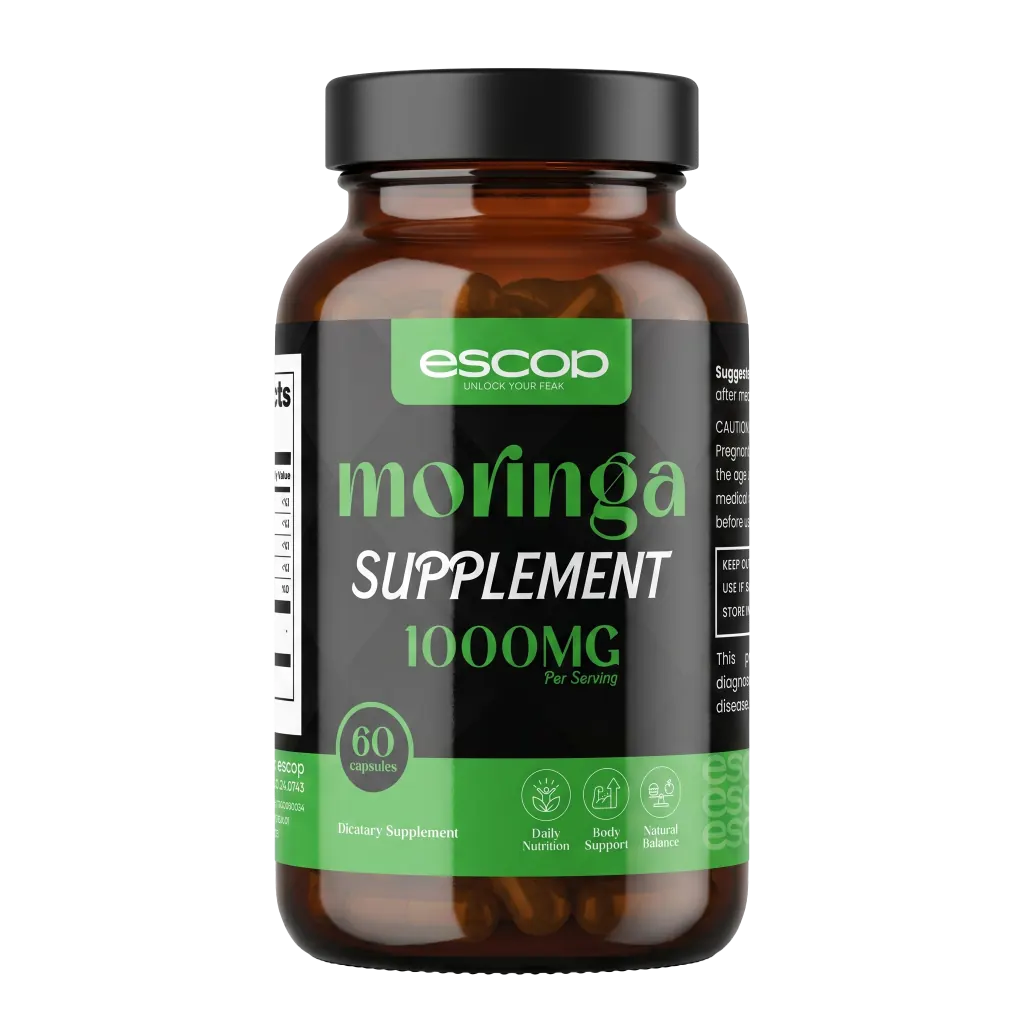
ESCOP Moringa 1000 mg
For vitality and complete nutritional support. Dosed at 1000 mg, quality-controlled, delivered anywhere in Morocco — cash on delivery.
Discover the product →