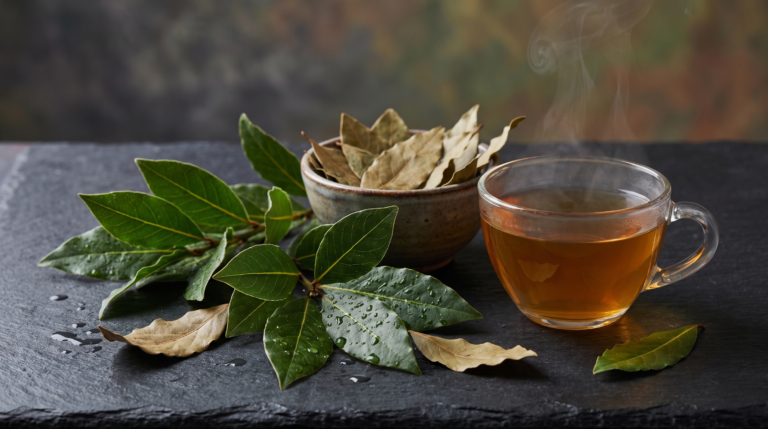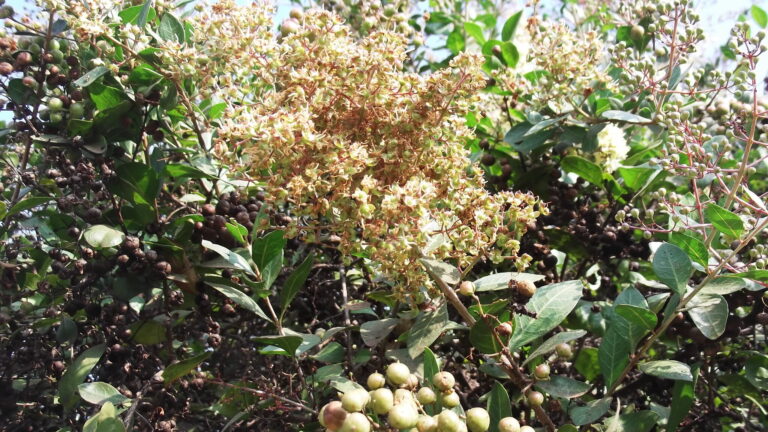
Oregano is one of the most common aromatic and medicinal plants in Moroccan homes, where it is known as zaatar. Behind its warm, peppery aroma lies a plant studied for its powerful active compounds, especially carvacrol. Used in cooking as well as in infusions or as an essential oil, oregano holds a special place in the traditional herbal medicine of the Maghreb. This article reviews its composition, its documented properties, the usual dosages and the essential precautions to take before any use.
What is oregano (zaatar)?
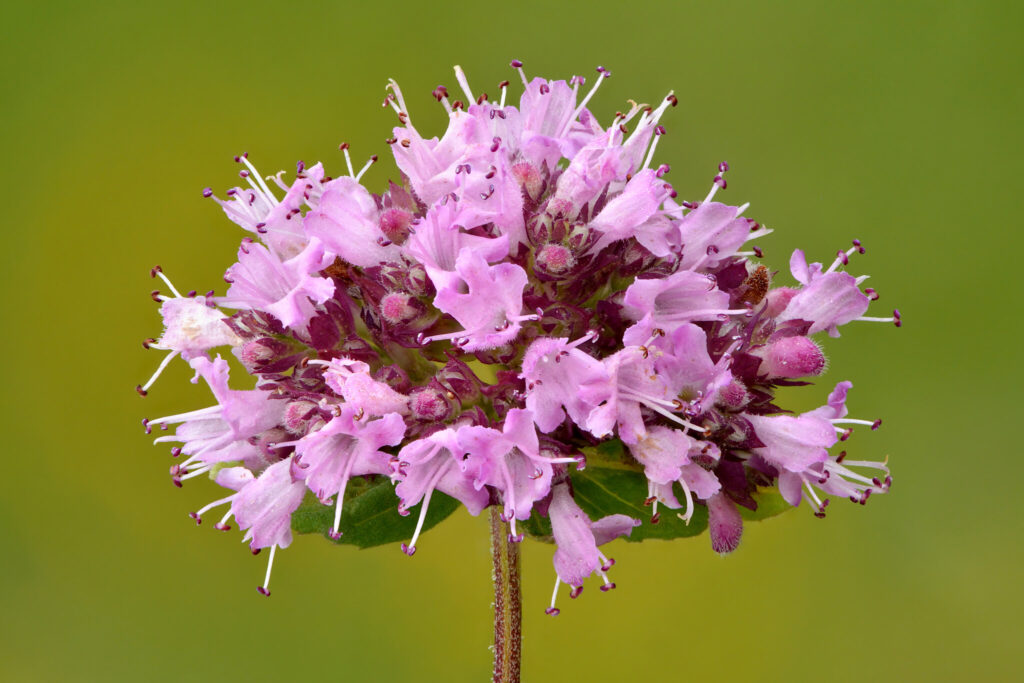
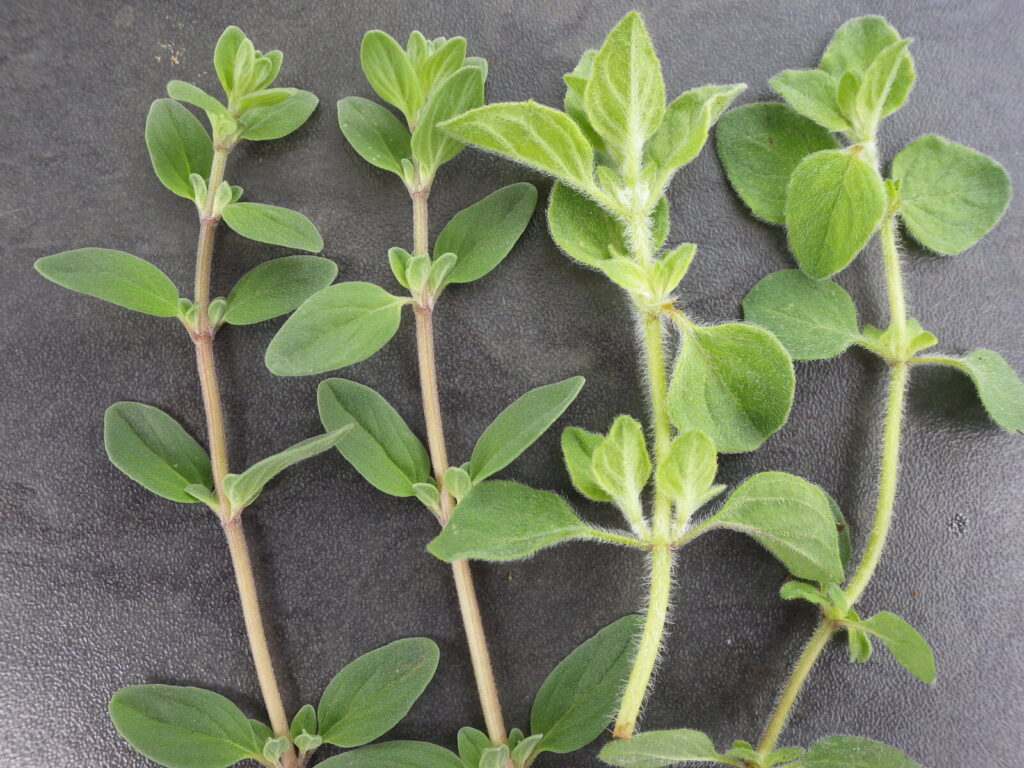
Oregano refers to several species of the genus Origanum, in the Lamiaceae family, the same family as mint, thyme and rosemary. It is a low-growing perennial with small oval leaves and pink or white flowering tops, which grows wild on the dry, rocky, sunny land of the Mediterranean basin.
In Morocco, the dominant species is Origanum compactum, known as compact oregano. It is endemic to Morocco and southern Spain and grows mainly in the mountainous areas of the Rif and the Atlas. Its cultivation has developed in these regions, largely to produce essential oil for export. Locally, the term zaatar most often refers to this species, which can cause confusion with the Levantine spice blend of the same name.
The parts used are the leaves and flowering tops, harvested and then dried in the shade to preserve the volatile compounds. They can be found loose at herbalists, in tea bags, or as a highly concentrated essential oil.
Composition and active compounds of oregano
The therapeutic value of oregano rests mainly on its essential oil, present in small quantities in the dried plant but very rich in active molecules. Chemical analyses of Moroccan Origanum compactum reveal a composition dominated by monoterpene phenols.
- Carvacrol: the main compound in compact oregano essential oil, at levels that can exceed 70%. It accounts for most of the plant’s anti-infective properties.
- Thymol: the second major phenol, also found in thyme, with comparable antibacterial and antifungal properties.
- Monoterpenes: notably para-cymene and gamma-terpinene, biochemical precursors of carvacrol and thymol, which contribute to the overall activity.
- Phenolic compounds and flavonoids: present throughout the plant, they contribute to the antioxidant activity measured in the laboratory.
One key distinction must be kept in mind: an infusion of dried leaves extracts only a modest fraction of these compounds, whereas the essential oil is an extremely concentrated form of them. The two preparations have neither the same uses, nor the same dosages, nor the same risks.
The health benefits of oregano
Research on Origanum compactum has focused mainly on laboratory (in vitro) tests. These document a wide range of biological activities, which should be read as promising leads rather than as established clinical evidence in humans.
Marked anti-infective activity
This is the best-documented property. Oregano essential oil has shown broad-spectrum antibacterial action in vitro, as well as antifungal, antiviral and antiparasitic activity. Carvacrol works by destabilising the cell membrane of micro-organisms. It is this profile that has earned oregano its reputation as a “natural antibiotic” in the aromatherapy literature — an expression to be used with caution, as it does not mean that oregano can replace prescribed antibiotic treatment.
Digestive support
Traditionally, oregano infusion is drunk after heavy meals. The plant is known for its digestive tonic and antispasmodic properties, which explain its popular use against bloating, a heavy stomach and intestinal cramps. This is the most common use of oregano in Moroccan herbal medicine, often combined with other carminative plants.
Support for respiratory complaints
When colds strike, oregano infusion is used to clear the airways and soothe an irritated throat. This traditional use relies on the expectorant properties attributed to aromatic phenols and on the warmth of the infusion itself, which brings immediate relief.
Antioxidant and anti-inflammatory action
Laboratory studies have shown notable antioxidant capacity in oregano extracts, correlated with their carvacrol and thymol content, as well as anti-inflammatory and anti-enzymatic effects. These preclinical results fuel scientific interest in the plant, without, however, allowing precise therapeutic recommendations to be drawn from them.
How to use oregano and dosage
As an infusion
This is the simplest and safest form. The usual preparation is to pour 200 to 250 ml of simmering water over 1.5 to 2 g of dried flowering tops, about one to two teaspoons. Leave to steep for 10 minutes, covered — the lid matters, as it traps the volatile compounds that would otherwise escape with the steam. Generally, 2 to 3 cups a day are taken as a short course, particularly after meals or when you have a cold.
As an essential oil
Compact oregano essential oil is one of the most powerful in aromatherapy and is not something to improvise with. Its use should remain occasional: aromatherapy references recommend short courses of 5 days maximum, not exceeding 6 drops a day, and preferably under the supervision of a trained professional.
On the skin, it must never be applied neat: it is dermocaustic and can cause real burns. Dilution in a vegetable oil is essential, at no more than 10% for sensitive skin and no more than 20% for adults.
In cooking
Culinary use remains the most widespread and carries no risk in normal quantities. Dried and crumbled over tagines, salads, grilled meats or bread, oregano adds its aroma while making a modest contribution to the antioxidant compounds in the diet.
Precautions and contraindications
Used as a herb or in moderate infusions, oregano is well tolerated by the vast majority of adults. The precautions mainly concern the essential oil and high doses.
- Pregnancy and breastfeeding: compact oregano essential oil is contraindicated in pregnant and breastfeeding women.
- Young children: the essential oil is not recommended for children under 6.
- Hormone-dependent cancers: use of the essential oil is contraindicated in oestrogen-dependent cancer.
- Diabetes and blood-sugar-lowering treatments: at high doses, oregano may enhance the blood-sugar-lowering effect of certain medicines; closer monitoring of blood sugar is recommended.
- Skin and mucous membranes: never apply neat essential oil to the skin, or put it in the eyes or ears.
- Allergies: take care if you have a known allergy to Lamiaceae (thyme, mint, sage, rosemary).
If you are taking medication, have a chronic condition or are in any doubt, seeking prior medical or pharmaceutical advice remains the wisest course.
Oregano FAQ
Are oregano and zaatar the same thing?
In Morocco, the word zaatar commonly refers to compact oregano, Origanum compactum. In the Levant, however, zaatar refers to a spice blend usually combining dried thyme or oregano, sumac, sesame and salt. These are therefore two different things depending on the region, which explains a lot of confusion when buying.
Can you drink oregano infusion every day?
The infusion is well suited to occasional use or to a course lasting from a few days to a few weeks. As with most medicinal plants, it is best to avoid prolonged daily use without a break and to alternate with other plants, rather than making it a permanent habit.
What is the difference between oregano and thyme?
They are two closely related plants of the Lamiaceae family, whose essential oils share the same major compounds, carvacrol and thymol, but in proportions that vary with the species and chemotype. Their traditional uses overlap widely, particularly for digestive and respiratory complaints, while their aromatic profiles are distinct.
Conclusion
Oregano perfectly illustrates the richness of Morocco’s plant heritage: a common plant, found in every kitchen, whose carvacrol content attracts genuine scientific interest. As an infusion, it is a simple and accessible ally for digestive and respiratory comfort. As an essential oil, it becomes a powerful product that demands rigour and supervision. As is often the case in herbal medicine, it is the form and the dose that make the difference between beneficial and risky use.
Further reading
- Botanical profile of oregano on Wikipedia
- Thyme: benefits, dosage and precautions
- Rosemary: benefits, dosage and precautions
- Sage: benefits, dosage and precautions
This article is provided for information purposes and does not replace medical advice. Consult a healthcare professional before starting any course of medicinal plants, especially if you are pregnant, breastfeeding, on medical treatment or have a chronic condition.