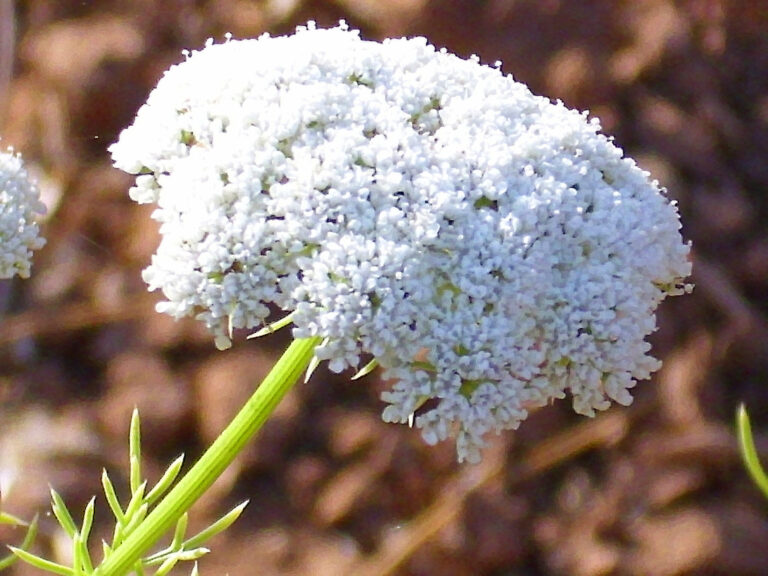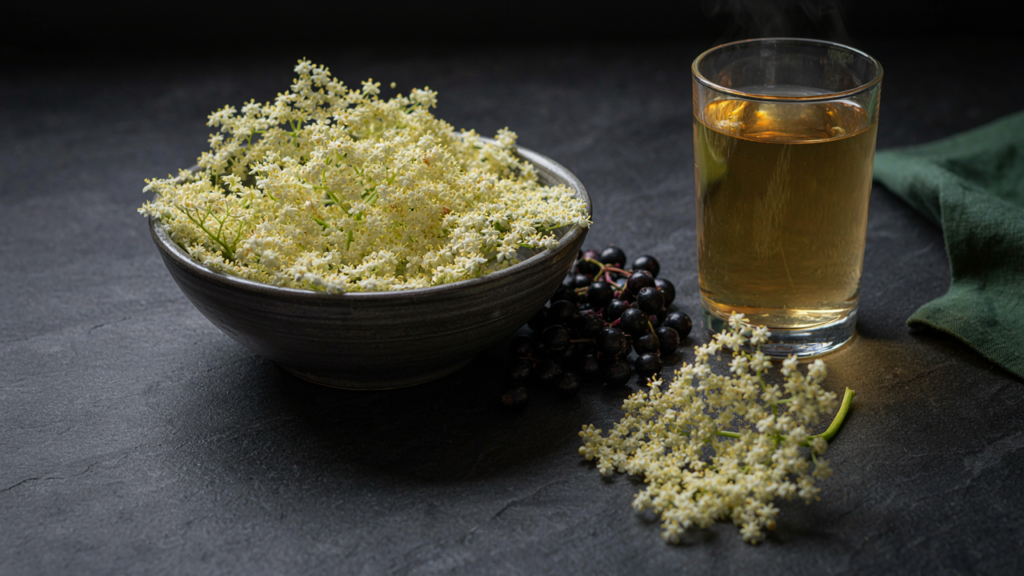
Elder is a shrub whose flowers and cooked berries have been used for centuries in herbal medicine, especially during cold season. In this article, we review what is known about black elder: its composition, its benefits, how to use it and the essential precautions.
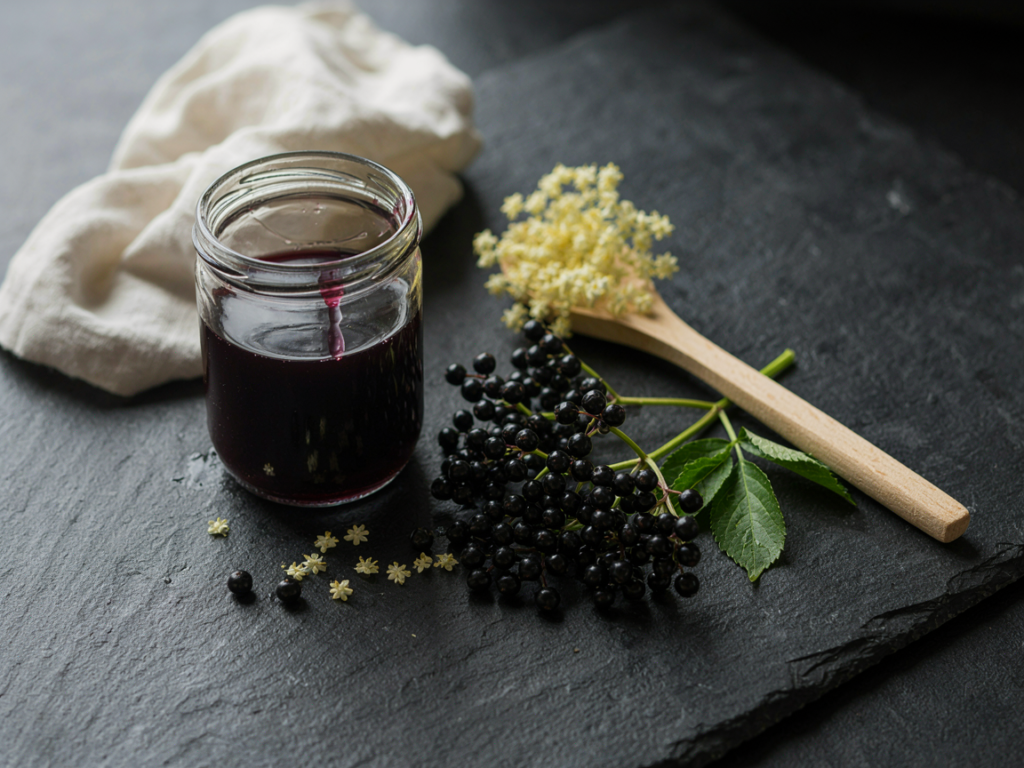
What is black elder?
Black elder (Sambucus nigra L.) is a fast-growing deciduous shrub that usually reaches 4 to 5 metres. In spring it is covered with umbels of small, highly fragrant creamy-white flowers; at the end of summer it bears purplish-black berries.
In herbal medicine, only the flowers and the cooked berries are used. The other parts of the plant (bark, stems, roots, leaves) are considered toxic and must not be consumed.
Composition and active compounds of elder
Elder contains several families of interesting compounds:
- Flavonoids: rutin, kaempferol and isorhamnetin, abundant in the flowers;
- Anthocyanins: the pigments in the berries, which have antioxidant activity;
- Phenolic acids: including caffeoylquinic acids;
- Vitamins and organic acids in the berries: vitamin C, citric acid and malic acid;
- Tannins and mucilage, along with a small amount of essential oil.
The benefits of elderberry
A traditional ally against colds and flu
Elderflower infusion is traditionally used as a sudorific (to promote sweating) to support the body during flu-like illnesses and colds. Germany’s Commission E recognised this use in 1986, and the WHO described these traditional uses in 1999.
An expectorant effect
Elderflowers are also used to help bring up phlegm in cases of chesty cough or congested airways, alongside good lifestyle habits.
Natural antioxidants
Thanks to their flavonoids and anthocyanins, elderflowers and elderberries contribute to dietary antioxidant intake. Laboratory studies also suggest antiviral and immunomodulatory effects, but better-quality clinical trials are still needed.
A helping hand during flu
A double-blind trial carried out in Israel in 1995 reported that an elderberry extract relieved flu symptoms faster than a placebo. This result remains preliminary and is no substitute for medical treatment.
How to use elderberry and dosage
Elder can be taken in several forms. The guidelines below reflect common traditional uses; always follow the leaflet of the product you buy.
- Dried flower infusion: about 2 to 3 g (one teaspoon) per cup of hot water, steep for 10 minutes, 2 to 3 cups a day for a few days;
- Cooked berry syrup: take in small amounts, according to the manufacturer’s label;
- Capsules or extracts: follow the dose indicated by the manufacturer.
The berries must always be cooked: cooking destroys the compounds that cause digestive upset. Ideally, buy your elderflowers from a herbalist or a trusted supplier.
Precautions and contraindications
- Never eat the berries raw: they can cause nausea, vomiting and a laxative effect;
- Do not use the leaves, stems, bark or roots: they contain cyanogenic glycosides;
- Do not confuse black elder with dwarf elder (Sambucus ebulus), a herbaceous plant whose berries are more toxic;
- If you have a known allergy, are pregnant or breastfeeding, or are on any treatment, ask a healthcare professional for advice;
- If symptoms persist or get worse, see a doctor.
Elderberry FAQ
Can you eat raw elderberries?
No. Raw berries can cause nausea and vomiting. They must be cooked before being eaten.
Which part of the elder is used for herbal tea?
The flowers are used, either fresh or dried. The other parts of the plant should not be used to make herbal tea.
Does elderberry cure the flu?
Elder is a traditional supportive remedy during flu-like illnesses. Clinical studies are still limited: it does not replace medical advice or treatment.
Conclusion
Elder is a traditional plant valued for its flowers as an infusion and its cooked berries as a syrup. Used with the right parts of the plant and the right precautions, it can find its place in a winter well-being routine.
Further reading
- External source: Black elder on Wikipedia
- See also: the benefits of moringa
- See also: the benefits of spirulina
- See also: the benefits of ginseng
This article is provided for information only and does not replace the advice of a healthcare professional.