Cranberry is a small, tart red berry that is highly valued in herbal medicine for its effect on urinary comfort and its wealth of antioxidants. In Morocco, it is increasingly available from herbalists, pharmacies and drugstores, as juice, powder or capsules. In this article, we review its benefits, dosage and precautions for use.
What is cranberry?
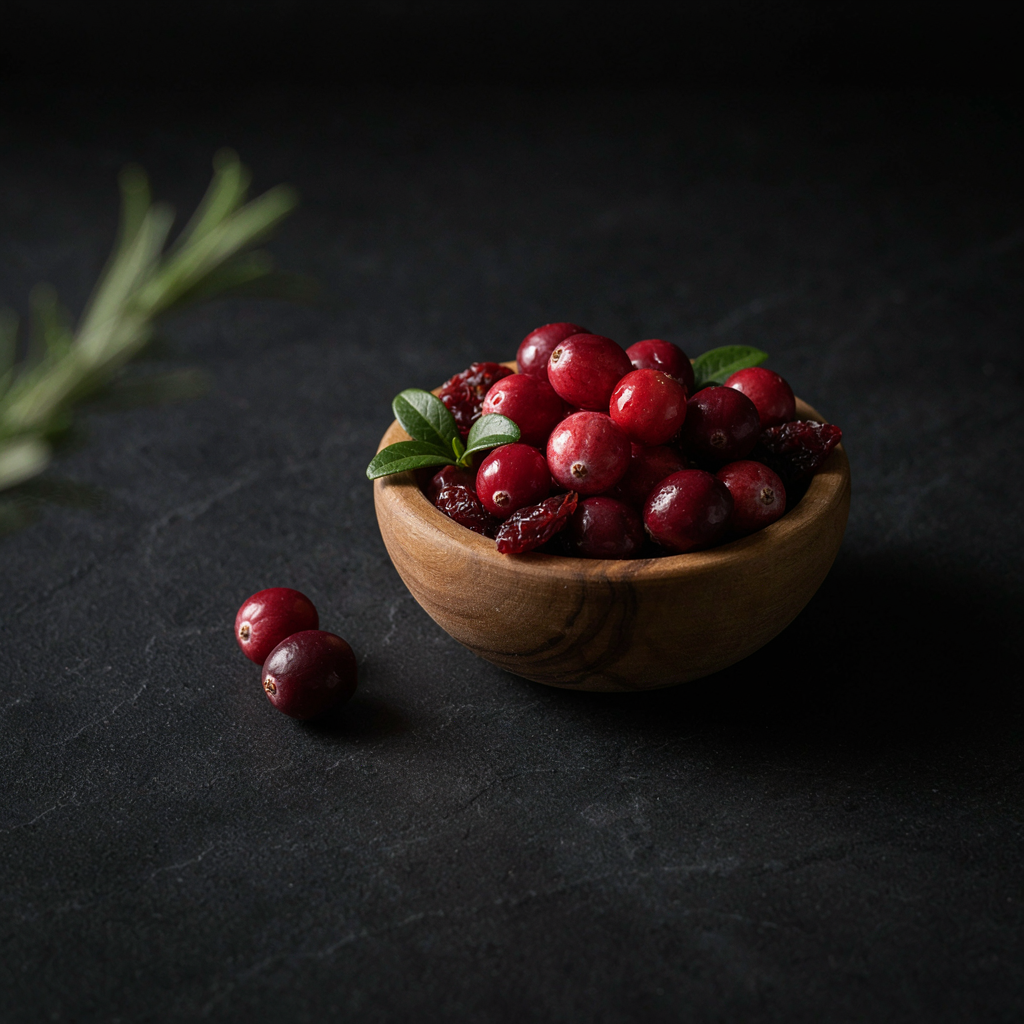
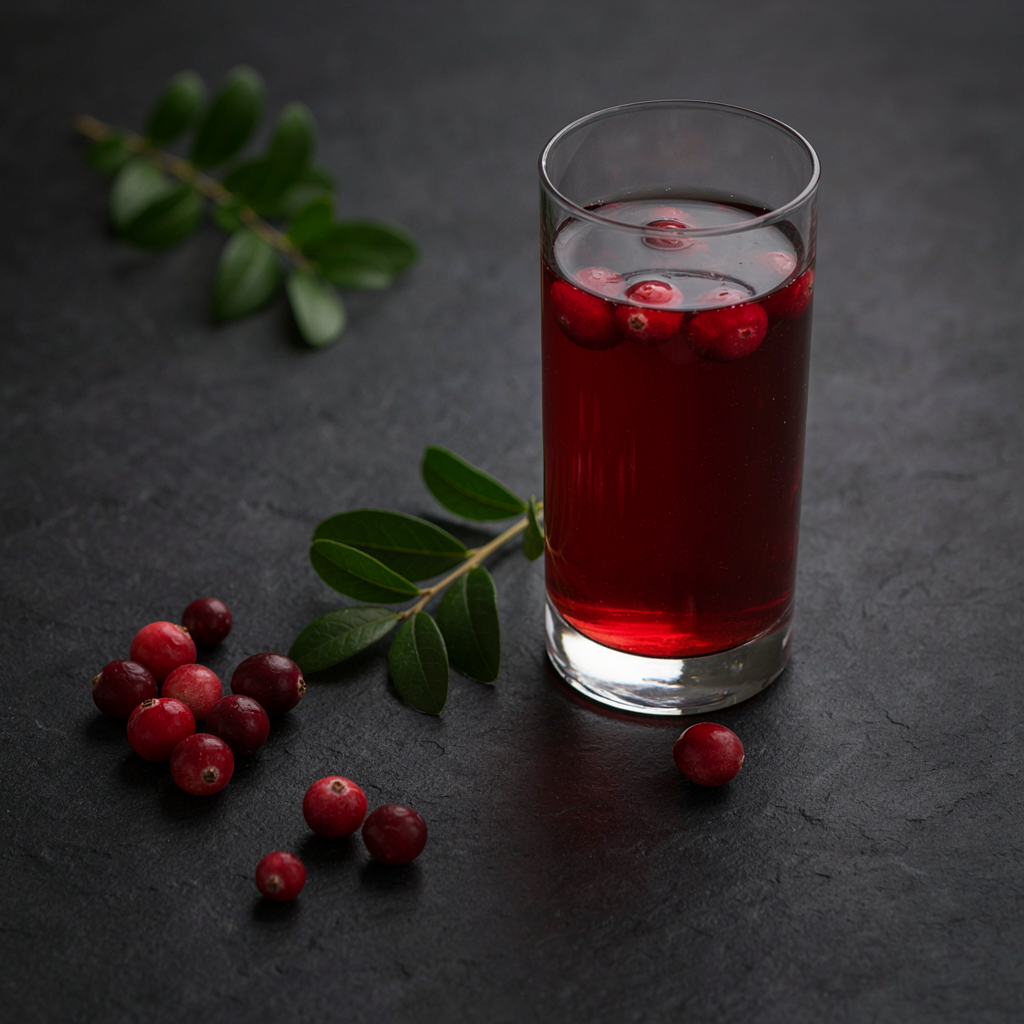
Cranberry (Vaccinium macrocarpon) is a low-growing, creeping shrub of the Ericaceae family, native to North America. It grows in wet, boggy areas and produces red berries rich in organic acids, which give them their very sour taste.
Traditionally, the Indigenous peoples of North America used cranberry both as a food and as a remedy. Today, it is eaten fresh or dried, and taken as a juice, an extract or a dietary supplement.
Composition and active compounds of cranberry
The cranberry fruit contains several families of noteworthy compounds. Here are the main ones:
- A-type proanthocyanidins (condensed tannins), the most studied compounds for urinary comfort.
- Flavonoids, including quercetin and anthocyanins, which are responsible for the red colour.
- Organic acids: citric acid, malic acid and quinic acid.
- Vitamin C and small amounts of other vitamins and minerals.
- Dietary fibre.
The benefits of cranberry
Support for urinary comfort
This is its best-known use. A-type proanthocyanidins appear to limit the ability of certain bacteria, particularly Escherichia coli, to stick to the bladder wall. Several clinical studies suggest a benefit in preventing recurrent urinary tract infections, especially in women, although the results are not all consistent.
Antioxidant action
Thanks to its polyphenols and vitamin C, cranberry helps fight oxidative stress, a process linked to cellular ageing. It is among the red berries richest in phenolic compounds.
An ally for oral health
Laboratory research indicates that certain cranberry compounds may interfere with the formation of bacterial biofilm on teeth. This effect has yet to be confirmed by studies in humans.
A possible benefit for the cardiovascular system
Cranberry flavonoids are being researched for their effects on blood vessel health and lipid profile. The data are encouraging, but they do not allow any conclusion about a therapeutic effect.
A fruit for digestion
Its fibre and polyphenol content contributes to a well-balanced diet. Eating it regularly fits into a healthy lifestyle, alongside other red berries.
How to use cranberry and dosage
Cranberry comes in several forms. The right choice depends on your goal and on the proanthocyanidin content stated on the label.
- Capsules or tablets of standardised extract: follow the manufacturer’s dosage and check the proanthocyanidin content. Studies on urinary comfort often use a dose of around 36 mg of proanthocyanidins per day.
- Cranberry juice: choose a pure or low-sugar juice, as commercial juices often contain a lot of added sugar.
- Dried berries: eat in moderation, as they are usually sweetened.
- Powder: mix into water or add to a yoghurt or smoothie.
A course generally lasts from a few weeks to a few months. Ask a pharmacist or healthcare professional for advice on adapting the dose to your situation. Also remember to drink enough water throughout the day.
Precautions and contraindications
- Anticoagulants (warfarin): cranberry may interact with these medicines. Medical advice is essential before taking it regularly.
- Kidney stones: cranberry contains oxalates, so it is advisable to consult a doctor if you have a history of stones.
- Pregnancy and breastfeeding: ask a healthcare professional for advice before use.
- Allergy to the Ericaceae family or to berries: avoid.
- Excessive consumption: may cause digestive problems such as diarrhoea or stomach ache.
Important: if you have symptoms of a urinary tract infection (burning, fever, lower back pain), see a doctor. Cranberry is not a substitute for antibiotic treatment.
Cranberry FAQ
Does cranberry cure a urinary tract infection?
No. It is used for prevention, alongside a healthy lifestyle. An established infection must be treated by a doctor.
What is the difference between “canneberge” and cranberry?
None: “canneberge” is simply the French name for cranberry. Both terms refer to the same fruit.
Can you have cranberry every day?
Yes, as a food and in reasonable amounts. For a course of concentrated extract, stick to the stated dose and seek the advice of a healthcare professional.
Conclusion
Cranberry is a valuable fruit, especially for urinary comfort and its antioxidant content. Choose a quality product, respect the recommended doses and stay alert to possible drug interactions. As part of a balanced diet, it can be a good addition to your wellness routine.
Further reading
- External source: cranberry on Wikipedia
- The benefits of spirulina
- The benefits of moringa
- The benefits of hibiscus
This article is for information only and does not replace the advice of a doctor or pharmacist. Consult a healthcare professional before starting any course.