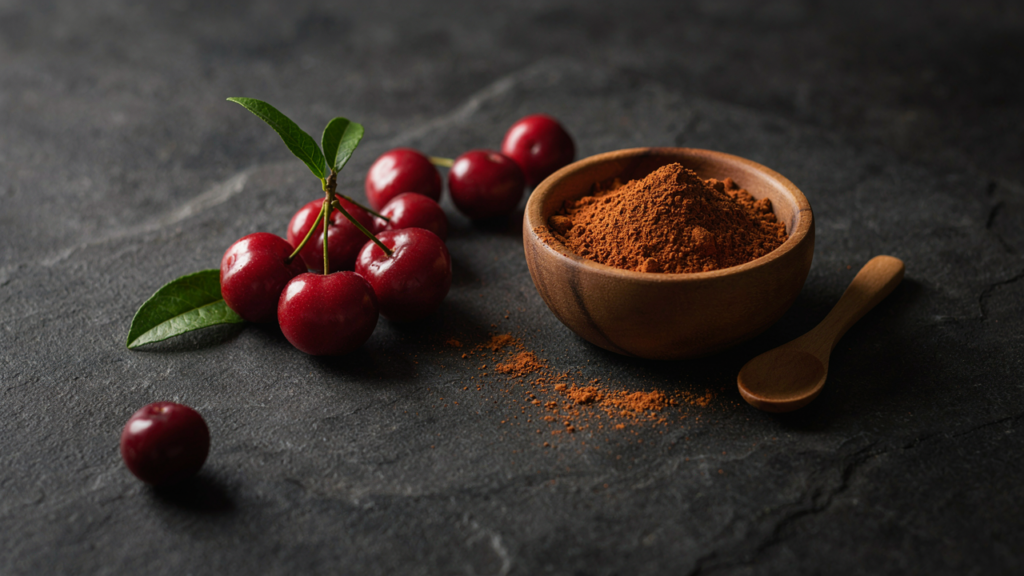
Acerola is a small tropical red fruit, highly valued in herbal medicine and nutrition for its exceptional vitamin C content. Often described as a “superfruit”, it is consumed as juice, powder or capsules. Here is what you need to know before adding it to your routine.
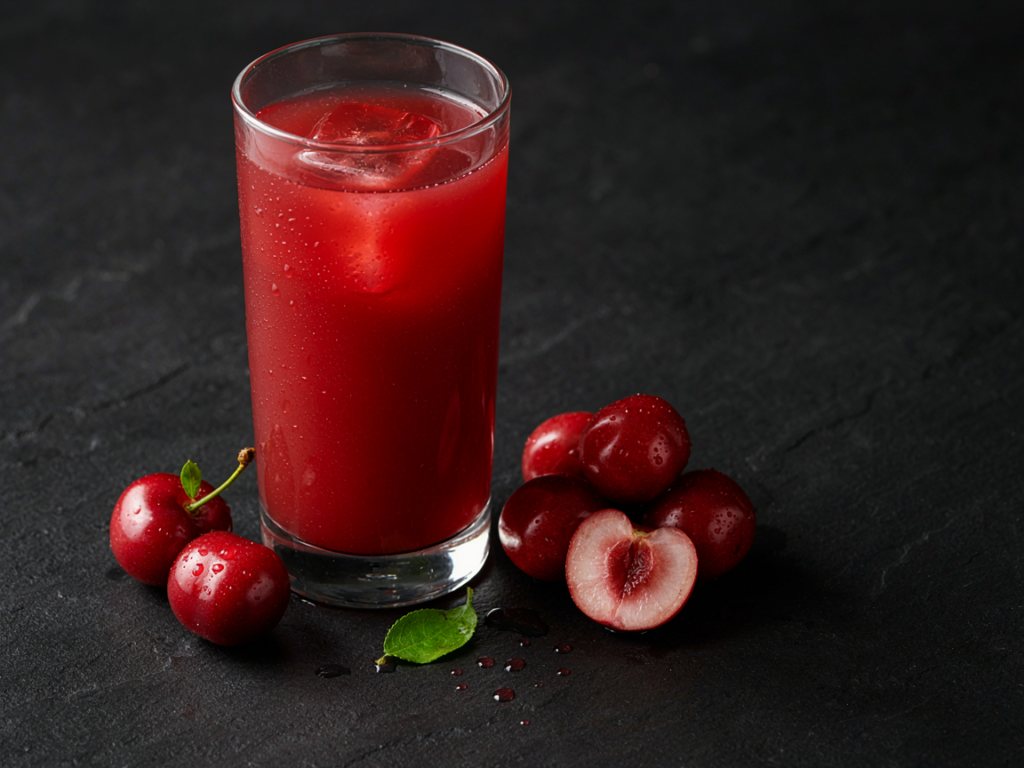
What is acerola?
Acerola (Malpighia emarginata, Malpighiaceae family) is also known as West Indian cherry or Barbados cherry. It is native to an area stretching from Mexico to northern Colombia and has been introduced into many countries, including Brazil, which is the world’s leading producer and exporter.
The fruit is highly perishable and sensitive to heat. That is why it is mostly found as juice, powder or dry extract.
Composition and active compounds of acerola
Ripe acerola contains around 1 to 2 g of ascorbic acid (vitamin C) per 100 g of fruit, considerably more than an orange. Its content does, however, vary with the variety, ripeness, growing conditions and processing.
- Vitamin C (ascorbic acid), its main active compound;
- Carotenoids, including beta-carotene and lutein;
- Flavonoids, notably rutin, and other polyphenols;
- B vitamins and manganese.
The benefits of acerola
An ally against vitamin C deficiency
Thanks to its high content, acerola is a natural source of vitamin C, helpful for meeting your needs when dietary intake falls short.
Support for the immune system
Vitamin C contributes to the normal function of the immune system. Acerola is therefore often taken as a course at the start of autumn and winter.
Antioxidant action
The fruit’s antioxidant activity is mainly linked to its vitamin C, complemented by its polyphenols and carotenoids. It helps counter oxidative stress.
A boost against temporary fatigue
Acerola is traditionally used as a tonic. Note that this use is based mainly on tradition rather than on solid clinical evidence.
How to use acerola and dosage
Acerola can be taken in several forms:
- As a powder, mixed into water, juice or yoghurt;
- As capsules or tablets of dry extract;
- As fruit juice, preferably fresh and properly stored.
For adults, reference sources generally cite 1 to 3 g of dry extract per day. Always follow the dosage indicated on the product packaging and favour short courses.
Precautions and contraindications
- Pregnancy and breastfeeding: ask your doctor for advice;
- Gout: vitamin C can raise uric acid levels;
- Kidney stones (urate, cystine, oxalate): vitamin C can promote their formation;
- Possible interactions with warfarin, certain neuroleptics, oestrogens and oral contraceptives, or anticancer drugs;
- Vitamin C increases iron absorption.
Acerola FAQ
Does acerola contain more vitamin C than oranges?
Yes. Weight for weight, the fresh fruit contains far more vitamin C than an orange, at around 1 to 2 g per 100 g.
When should you take acerola?
Taking it in the morning or early in the day is often recommended, as vitamin C has a stimulating effect. It can be taken with or between meals, depending on your digestive tolerance.
Can you take acerola all year round?
It is better to opt for courses of a few weeks, especially when the seasons change, and then ask a healthcare professional for advice before extending them.
Conclusion: acerola, a concentrate of vitamin C
Rich in vitamin C and antioxidants, acerola is an interesting natural supplement for supporting your defences and fighting temporary fatigue. Choose quality products and follow the precautions for use.
Further reading
- External source: the Wikipedia page on acerola
- Moringa: benefits, dosage and precautions
- Spirulina: benefits, dosage and precautions
- Chasteberry: benefits, dosage and precautions
Disclaimer: this article is for information only and does not replace the advice of a doctor or pharmacist. Consult a healthcare professional before starting any course, especially if you are on treatment or have a medical condition.