Argan oil is arguably Morocco’s most iconic botanical treasure, celebrated worldwide for its benefits for skin, hair, and overall health. Extracted from the kernels of the argan tree, a species endemic to southwestern Morocco, this precious oil is rich in unsaturated fatty acids, vitamin E, and powerful antioxidants. In this article, we detail the composition of argan oil, its proven benefits, how to use it, the recommended dosage, and the precautions to keep in mind.
What is argan oil?
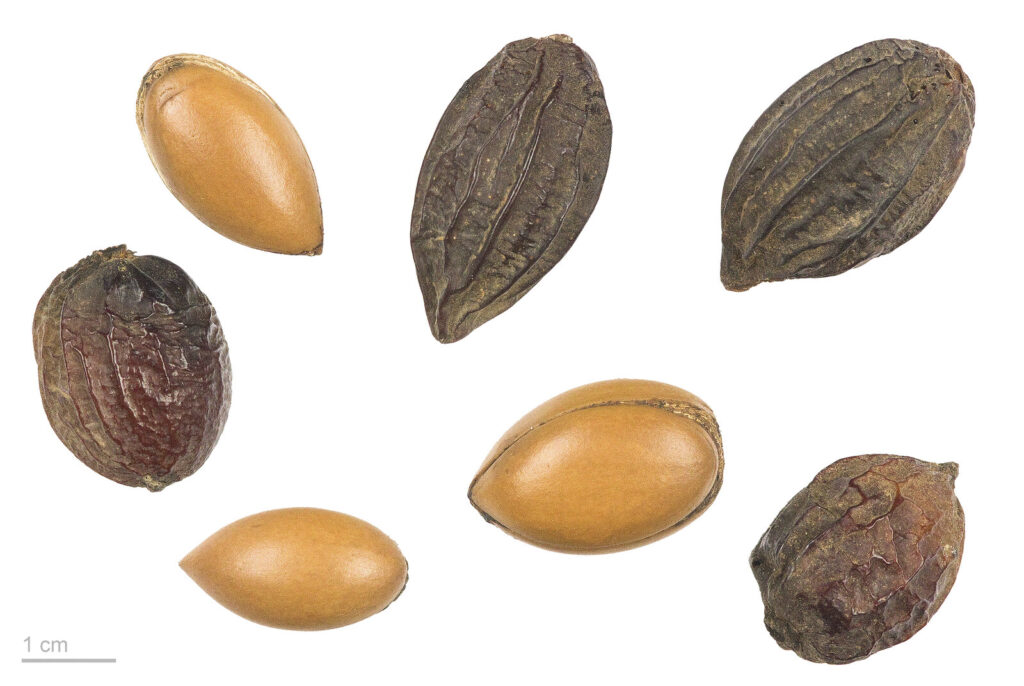
Argan oil is a vegetable oil obtained from the kernels found inside the fruit of the argan tree (Argania spinosa), a tree that grows almost exclusively in the Souss region, between Agadir, Essaouira, and Taroudant. Used for centuries by Berber women, it is now protected by a designation of origin and is largely produced through cooperatives.
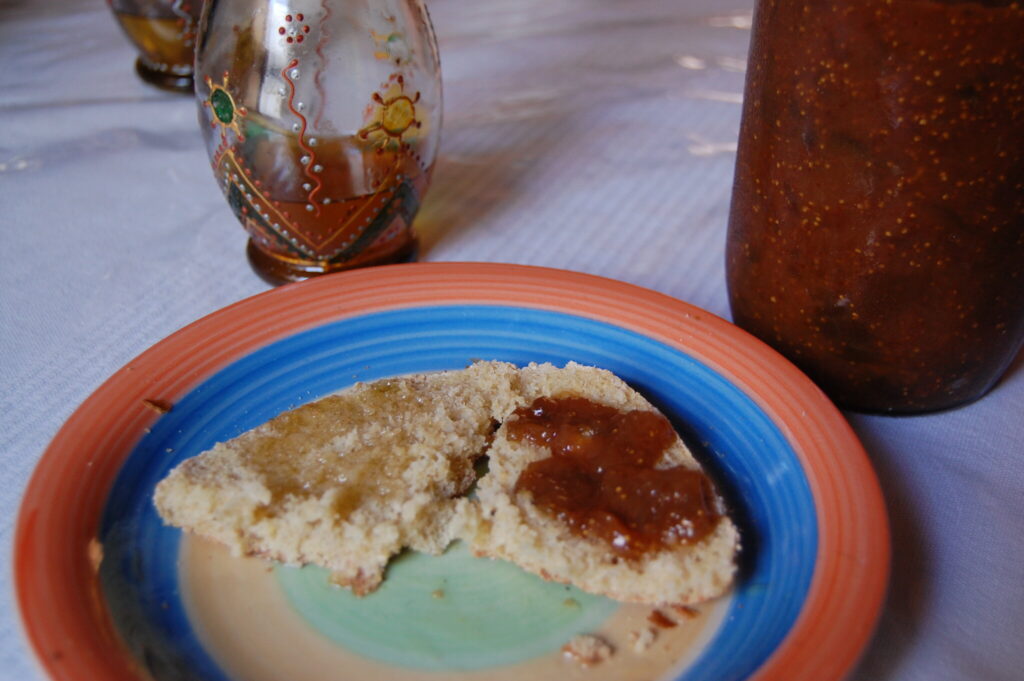
There are two main categories. Cosmetic argan oil is cold-pressed from untoasted kernels, giving it a light color and a use reserved for skin and hair. Culinary argan oil, on the other hand, comes from toasted kernels, which give it a darker color and a nutty flavor prized in cooking.
Composition and active compounds of argan oil
The richness of argan oil comes from its composition of unsaturated fatty acids and antioxidant compounds. These molecules explain most of its nourishing and protective effects.
- Unsaturated fatty acids: about 43% omega-9 (oleic acid) and 36% omega-6 (linoleic acid), essential for skin suppleness.
- Vitamin E (tocopherols): a powerful antioxidant that neutralizes the free radicals involved in skin aging.
- Vitamin A: contributes to skin regeneration and protection.
- Plant sterols: with anti-inflammatory and protective properties.
The benefits of argan oil
The benefits of argan oil span both beauty and general health. Here are the main benefits highlighted by traditional uses and available data.
Nourishing and hydrating the skin
Thanks to its fatty acid and vitamin E content, argan oil is nourishing, softening, and revitalizing. It helps restore the skin’s hydrolipidic film, soothe dry skin, and limit the appearance of wrinkles by fighting oxidative stress.
Strengthening hair and nails
Applied to the mid-lengths and ends, it restores shine and softness to dull or brittle hair while protecting the fiber from heat damage. For splitting or soft nails, a few drops are enough to strengthen and soften the keratin.
Supporting cardiovascular health
When consumed as a culinary oil, argan oil provides unsaturated fatty acids that help maintain lipid balance. Its composition is associated with protective effects on the cardiovascular system and a beneficial antioxidant action for the body.
A preventive potential under study
Its richness in antioxidants and sterols is the subject of research into the prevention of certain metabolic disorders and the strengthening of the body’s defenses. These leads still require confirmation and do not replace a balanced lifestyle.
How to use it and dosage
Proper use depends on the type of argan oil chosen. Here are the most common practical guidelines.
- On the skin: apply a few drops to slightly damp skin, ideally after showering, massaging in circular motions until fully absorbed.
- On the hair: distribute a few drops over the mid-lengths and ends without rinsing, or use as a mask before shampooing.
- In cooking: reserve the culinary oil for cold or lukewarm dishes; one tablespoon per meal is enough to enjoy its nutritional qualities.
Choose a pure, cold-pressed argan oil, preferably certified, and avoid diluted blends. Store it away from light and heat to preserve its vitamin E content.
Precautions and contraindications
Argan oil is well tolerated by the vast majority of people, but a few precautions should be kept in mind:
- People with nut allergies should do a patch test on a small area before any application or ingestion, as cross-reactions, though rare, are documented.
- Cosmetic argan oil is not for consumption; reserve culinary use for the oil intended for that purpose.
- It does not replace dermatological treatment in cases of severe skin conditions.
- If pregnant, breastfeeding, or undergoing treatment, seek the advice of a healthcare professional before regular consumption.
Frequently asked questions about argan oil
Is argan oil suitable for all skin types?
Yes, it suits dry, mature, and normal skin. Oily or acne-prone skin can use it in small amounts, as it is largely non-comedogenic, though a patch test beforehand is still advisable.
Can the same oil be used for skin and cooking?
No. Cosmetic oil and culinary oil are produced differently. It is best to reserve the cosmetic oil for skincare and the culinary oil for the table.
How can you recognize a good-quality argan oil?
A good argan oil is pure, cold-pressed, has a light, characteristic scent, and is packaged in an opaque bottle. Certifications and Moroccan origin are marks of quality.
Conclusion
A true emblem of Moroccan know-how, argan oil combines nutritional richness with cosmetic virtues. Nourishing for the skin, strengthening for the hair, and beneficial for cardiovascular health when consumed in moderation, it deserves a place of choice in a natural wellness routine, provided you choose a pure product and follow the precautions for use.
To learn more
To learn more about the subject, check out the reference page on argan oil on Wikipedia. Also discover our other articles dedicated to plants and supplements: the benefits of spirulina, the benefits of moringa, and the benefits of ginseng.
This article is provided for informational purposes only and does not replace medical advice. Consult a healthcare professional before any therapeutic use, particularly if undergoing treatment, pregnant, or breastfeeding.