Chasteberry comes from a Mediterranean shrub whose dried berries have been used in herbal medicine since antiquity, mainly to support women’s hormonal balance. In Morocco, interest in this plant is growing among women looking for natural ways to ease their cycle. Here is everything you need to know before using it.
What is chasteberry?
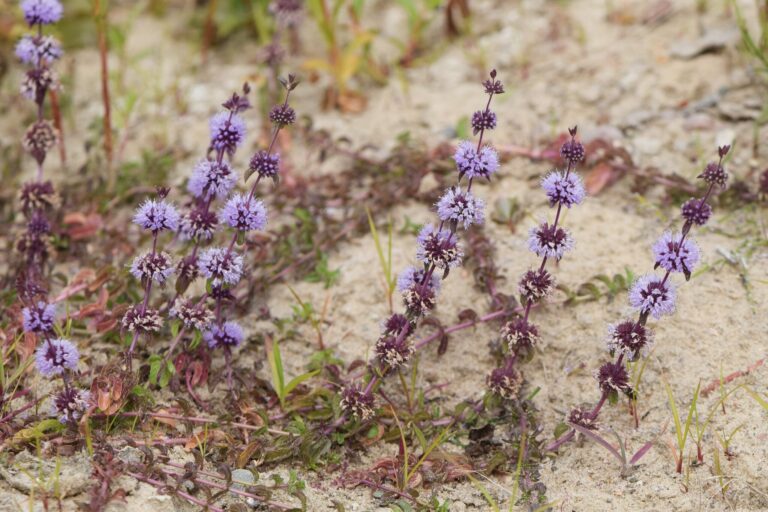
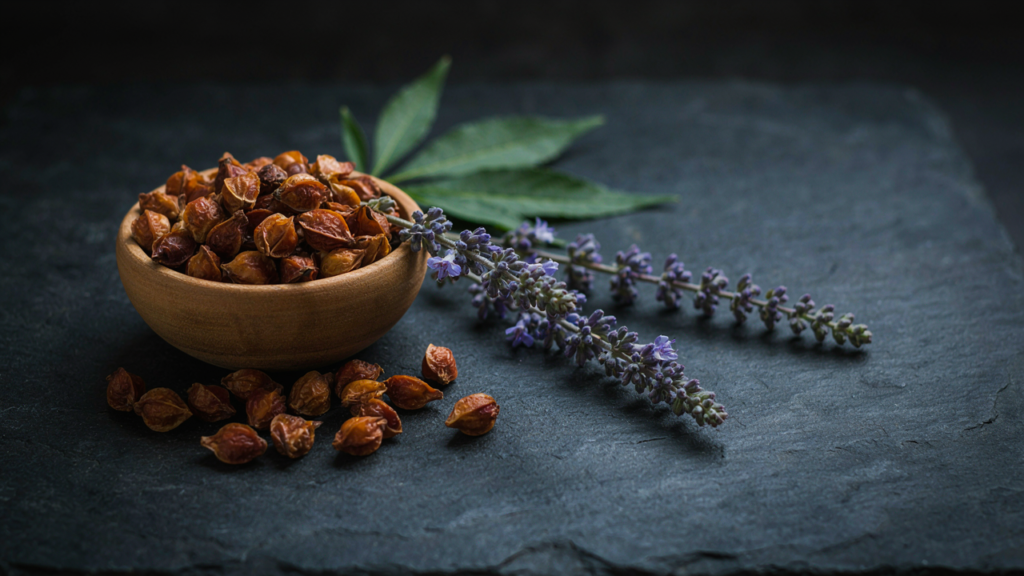
The chaste tree (Vitex agnus-castus), also known as monk’s pepper or chasteberry, belongs to the Lamiaceae family. It thrives along riverbanks in the Mediterranean basin and bears long spikes of violet-blue flowers.
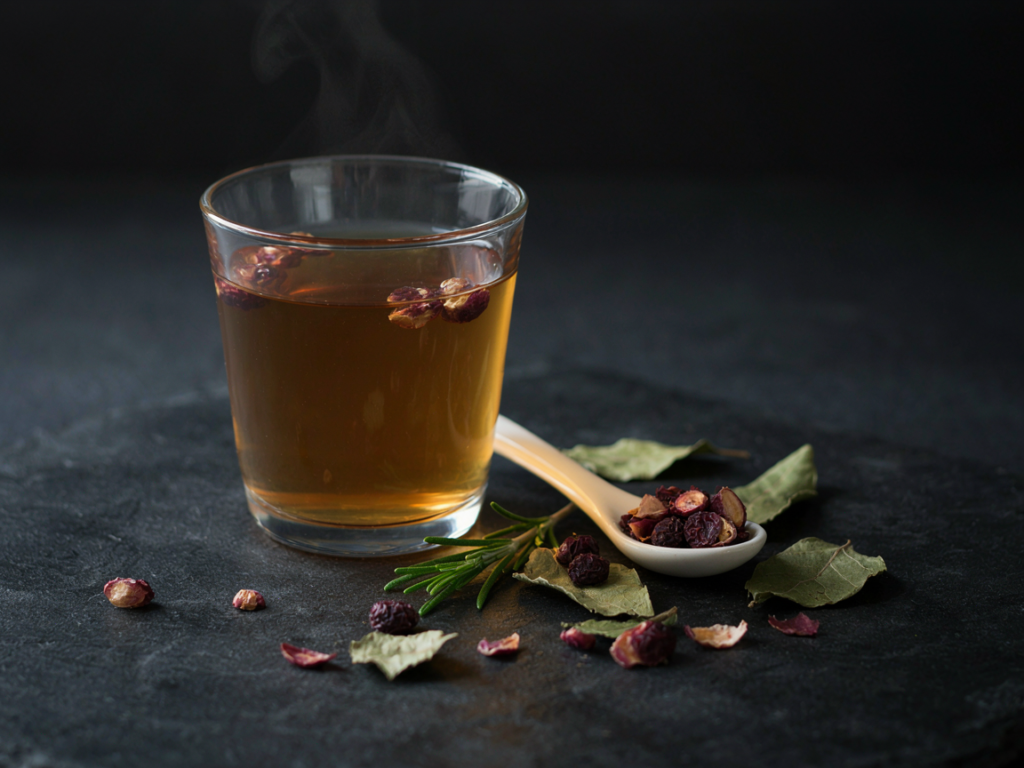
The part used is the fruit, a small dried berry with a peppery, slightly pungent taste. Its nickname “chaste tree” comes from an ancient use in monasteries, where it was believed to calm desire.
Composition and active compounds of chasteberry
Chasteberries contain several families of compounds studied by researchers:
- iridoids, such as aucubin and agnuside;
- flavonoids, including casticin;
- diterpenes, which are thought to be involved in its effect on prolactin;
- aromatic essential oils.
These compounds are thought to act in particular on dopamine receptors in the pituitary gland, which would explain the plant’s influence on prolactin secretion.
The benefits of chasteberry
Premenstrual syndrome
This is its best-documented use. Several clinical studies suggest that chasteberry extracts may ease certain symptoms of premenstrual syndrome: irritability, breast tenderness, bloating and mood swings.
Menstrual cycle comfort
Chasteberry is traditionally used to support irregular cycles or painful periods. It is thought to work by regulating prolactin and improving the balance between the hormones of the cycle.
Breast tenderness
Breast pain and sensitivity before periods are among the plant’s classic indications, often alongside medical follow-up.
Support during perimenopause
Some women use it to ease mood disturbances and the discomforts linked to hormonal fluctuations during perimenopause. The evidence, however, is more limited than for premenstrual syndrome.
How to use chasteberry and dosage
Chasteberry is available in several forms: dry extract capsules, mother tincture, ampoules or an infusion of dried berries. Its effects require consistency: you should generally allow at least three cycles before judging the results.
- Capsules or tablets: follow the dosage indicated on the supplement packaging, preferably as a single dose in the morning.
- Infusion: one teaspoon of lightly crushed dried berries in a cup of hot water, steeped for about ten minutes.
- Mother tincture: use according to the advice of a herbalist or pharmacist.
Choose products whose origin and dosage are clearly stated, and ask a healthcare professional for advice to determine the right dose for your situation.
Precautions and contraindications
Chasteberry acts on the hormonal system: it is not something to use lightly.
- Not recommended during pregnancy and breastfeeding.
- Avoid if you take the contraceptive pill, hormone therapy or hormone replacement therapy: their effect could be altered.
- Avoid in case of hormone-dependent cancer (breast, ovary, uterus) or a history of such cancers.
- Use caution with treatments that act on dopamine (certain Parkinson’s disease medications or antipsychotics).
- Possible side effects: stomach ache, nausea, headache, skin rashes, irregular bleeding.
If in doubt or if you are on any treatment, always ask a doctor for advice before starting a course.
Chasteberry FAQ
How long does it take to feel the effects of chasteberry?
It works gradually. Its effects are generally assessed after several consecutive menstrual cycles, not after a few days.
Can you take chasteberry with the pill?
This combination is not recommended, as chasteberry can interfere with the action of hormones. Ask your doctor or pharmacist for advice.
Is chasteberry useful for men?
It has been studied and used mainly in women. Its use in men is not recommended without medical advice.
Conclusion
Chasteberry is an interesting traditional plant for premenstrual comfort and cycle balance. Used consistently, at the right dose and with due respect for its contraindications, it can be a valuable natural ally. Medical advice remains essential before starting any course.
Further reading
- External source: the Wikipedia page on chasteberry
- The benefits of moringa
- The benefits of ginseng
- The benefits of spirulina
This article is for information only and does not replace the advice of a doctor or healthcare professional.