
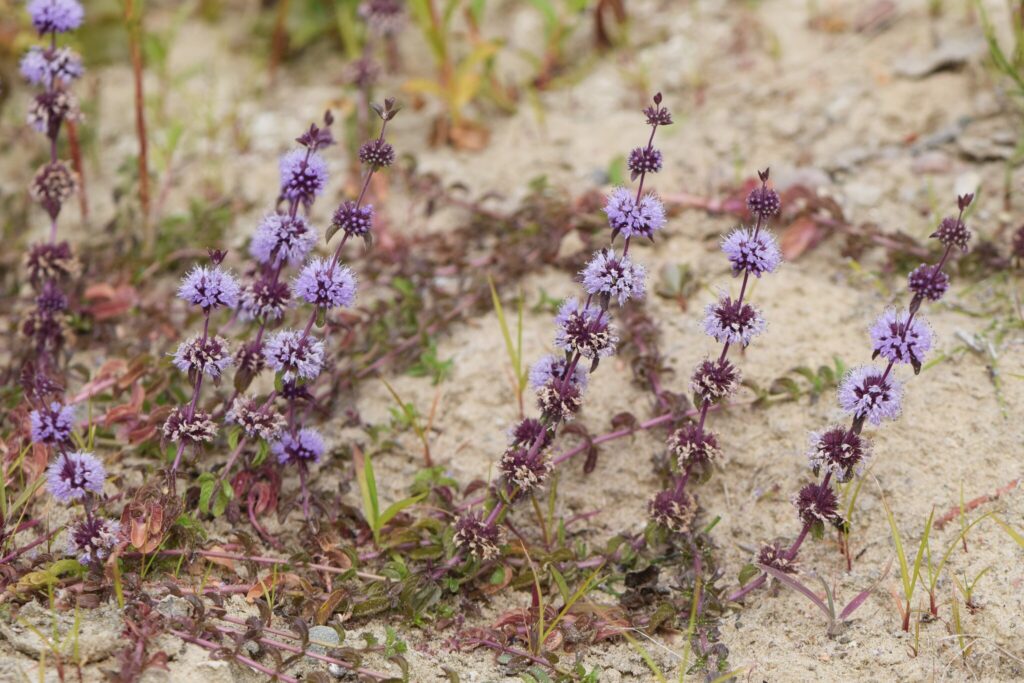
Pennyroyal mint, known in Morocco as “fliyou” (فليو), is one of the most cherished aromatic plants in the traditional pharmacopoeia. Added to tea in winter or steeped on its own, pennyroyal has been valued for centuries for relieving digestive and respiratory complaints. In this article, discover its benefits, its dosage and above all the essential precautions to know before drinking it.
What is pennyroyal mint?
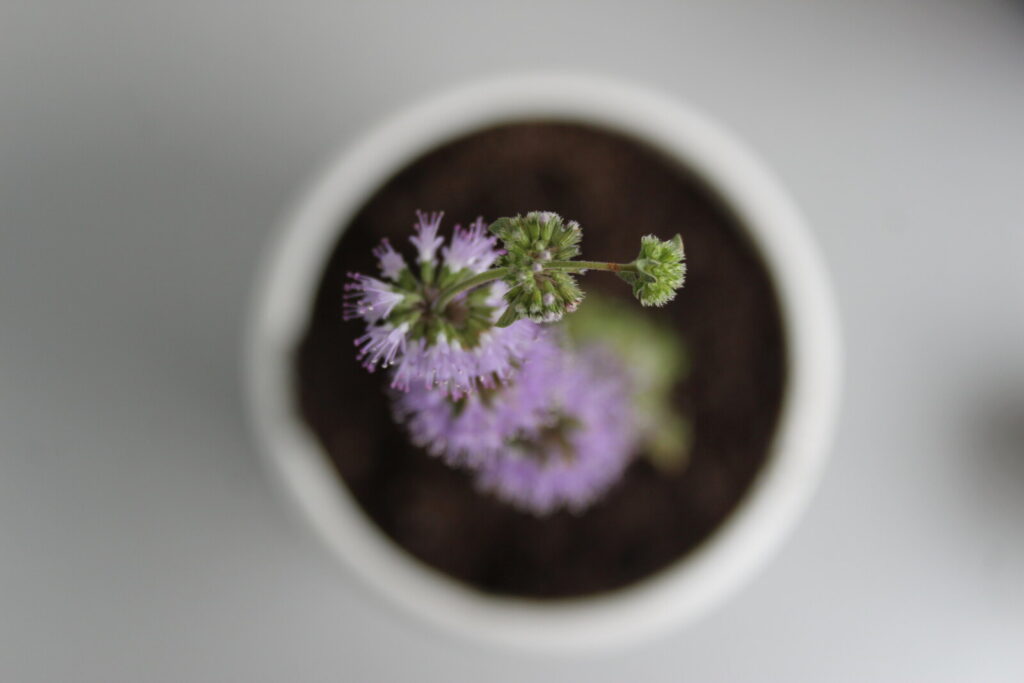
Pennyroyal mint (Mentha pulegium) is a perennial plant of the Lamiaceae family, a cousin of spearmint and peppermint. It grows wild in the damp areas of Morocco, along watercourses and in cool meadows. Recognisable by its powerful minty scent and its small mauve flowers arranged in whorls, it is harvested for its leaves and flowering tops.
In Moroccan tradition, fliyou is mostly drunk as an infusion or added to mint tea, particularly during the cold season to accompany heavy meals and soothe chills. It is a potent plant that must be used with judgement, as we shall see below.
Composition and active compounds of pennyroyal
The strength of pennyroyal comes from its wealth of essential oil and aromatic compounds. Its main active constituents are:
- Pulegone: the majority compound of its essential oil, responsible for its characteristic smell and most of its effects — but also for its potential toxicity.
- Menthol and menthone: molecules that give the cooling sensation and contribute to the digestive and decongestant action.
- Flavonoids and phenolic acids: polyphenols with antioxidant properties.
- Tannins: which contribute to the plant’s astringent action.
The pulegone content varies widely depending on where and when the plant is harvested: it is notably lower in winter. This variability is why pennyroyal must be consumed in moderation.
The benefits of pennyroyal mint
Used sensibly and occasionally, pennyroyal is traditionally recognised for several virtues affecting digestion and the airways.
Help with digestion
Pennyroyal is above all a digestive plant. It is carminative, meaning it helps intestinal gas pass and reduces bloating. Its antispasmodic action helps relax the smooth muscle of the intestine and calm abdominal cramps after a hearty meal.
Support for the liver and bile
Traditionally, this plant is considered cholagogue: it is said to stimulate the production and release of bile, thereby aiding the digestion of fats. That is one of the reasons fliyou is appreciated alongside rich dishes.
An ally for the airways
Pennyroyal is also used for colds, a light cough and nasal congestion. Its cough-calming and expectorant properties help soothe a dry cough and clear the airways. In winter, a warm infusion can bring a sense of relief during a passing chill.
A soothing action
Like other mints, it has a mild relaxing effect on the nervous system and can accompany moments of calm. Its fresh flavour and fragrance are also much appreciated for scenting drinks and herbal teas.
How to use it and at what dosage
The safest and most common form remains an infusion of dried leaves. Because of the pulegone it contains, use must stay occasional and moderate.
- Infusion: a level teaspoon of dried leaves (about 1 to 2 g) per cup of hot water, steeped for 5 minutes.
- Frequency: limit yourself to an occasional cup rather than making it a prolonged daily drink.
- In tea: a few leaves added to mint tea are enough to scent the drink.
Pennyroyal essential oil, for its part, must never be swallowed: it is extremely concentrated in pulegone and potentially dangerous.
Precautions and contraindications
This is the most important part of this article. Pennyroyal contains pulegone, a molecule that is toxic to the liver when consumed in significant amounts. Its use must therefore be careful and controlled.
- Pregnant and breastfeeding women: the plant is strictly not advised, because of a risk to the development of the foetus.
- Young children: not advised for children under 12.
- Fragile liver or kidneys: avoid in cases of liver or kidney disorders.
- Essential oil: oral use is prohibited; even small doses can cause serious liver damage.
- Duration: do not take as a prolonged course. If in doubt, ask a healthcare professional.
FAQ about pennyroyal mint
Are pennyroyal and fliyou the same plant?
Yes. “Fliyou” (فليو) is the Moroccan name for pennyroyal mint (Mentha pulegium). It is the plant traditionally added to tea in winter for its fragrance and its digestive virtues.
Can you drink pennyroyal every day?
It is not recommended. Because of the pulegone, it is better to keep it to occasional use rather than a prolonged daily drink.
Is pennyroyal dangerous?
Drunk in moderation as a light infusion, it has traditionally been used without problems. The danger comes from excessive use or from swallowing the essential oil, which is heavily concentrated in pulegone.
Conclusion
Pennyroyal mint is a treasure of Moroccan herbal medicine, precious for digestion and for the chills of winter. Used well — as a light, occasional infusion — it combines pleasure at the table with time-honoured benefits. But its pulegone content calls for genuine caution: moderation, respect for the contraindications and common sense remain the best allies of untroubled use.
To go further
To dig deeper into the subject, see the full botanical entry on Wikipedia (Mentha pulegium). Also discover other plants with complementary virtues on our blog:
- Ginger: benefits, dosage and precautions
- Verbena: benefits, dosage and precautions
- Thyme: benefits, dosage and precautions
This article is provided for informational purposes and in no way replaces medical advice. Consult a healthcare professional before any use, particularly in case of pregnancy, breastfeeding, medical treatment or a health condition.
Leave a Reply