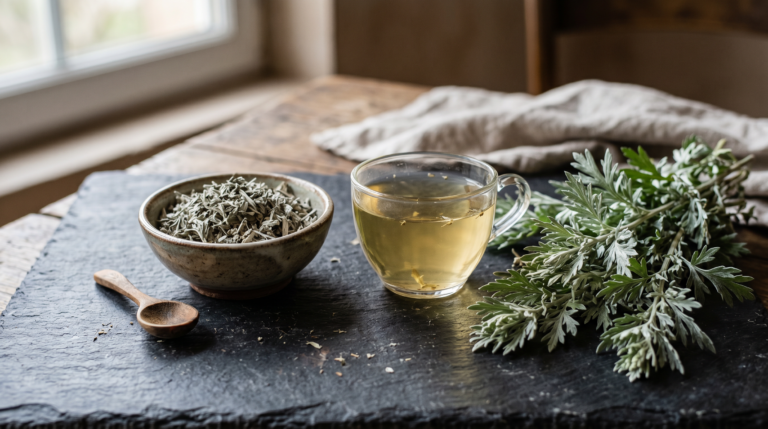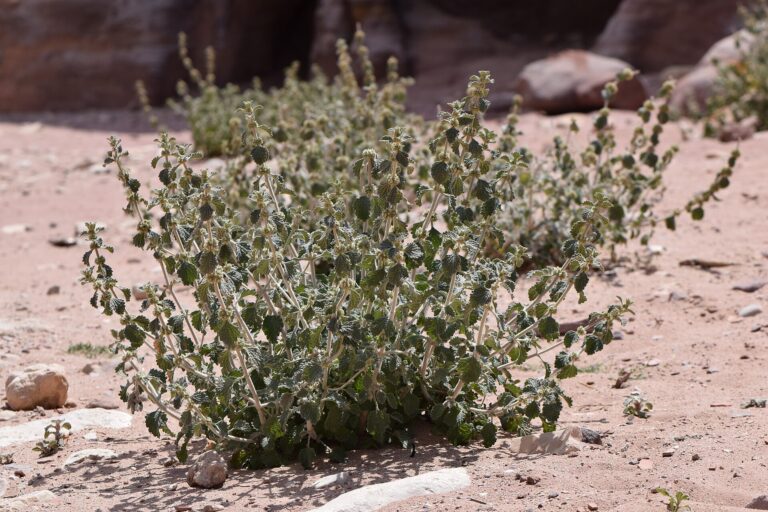
Dandelion is one of the most widely used purifying plants in herbal medicine, and today it holds a prominent place in the draining courses offered by herbalists in Morocco. Long dismissed as a simple weed of fields and roadsides, it is in fact a complete food and medicinal plant: its leaves are eaten in salads, its root is prepared as a decoction and its yellow flowers are used to make syrups and jellies. This article takes a factual look at its composition, benefits, how to use it, dosage and precautions for use.
What is dandelion?
Dandelion (Taraxacum officinale) is a perennial herbaceous plant in the Asteraceae family, the same family as chamomile, artichoke and mugwort. It is recognisable by its rosette of deeply toothed leaves, its bright yellow flower head on a hollow stem filled with white latex, and its fluffy, spherical seed head that is scattered by the wind.
Its French name, pissenlit, comes directly from its popular reputation as a diuretic. In Moroccan Arabic it is often called “hindba barria” (wild chicory), a term that covers several closely related bitter plants. In herbal medicine, two quite different parts are distinguished: the leaf, richer in potassium and mainly diuretic in action, and the root, more bitter, harvested in autumn and traditionally reserved for supporting the liver and digestion.
Composition and active compounds of dandelion
Dandelion’s value in herbal medicine lies in a phytochemical profile that is unusually complete for such a common plant. Analyses of the root and leaf reveal:
- Bitter sesquiterpene lactones (grouped under the name taraxacin): these give the plant its characteristic bitterness and stimulate digestive secretions.
- Inulin, a prebiotic fibre abundant in the root harvested in autumn, which feeds the gut flora.
- Triterpenes and sterols, notably taraxasterol and sitosterol.
- Phenolic acids (caffeic acid, hydroxycinnamic acids) and flavonoids with antioxidant properties.
- Minerals: dandelion is particularly rich in potassium, but also provides calcium, magnesium, iron, silica and manganese.
- Vitamins A, B and C, as well as mucilage and a small fraction of coumarins.
This high potassium content explains an interesting feature: unlike many diuretics, dandelion partly replaces the potassium the body loses in urine.
The health benefits of dandelion
Support for the liver and gallbladder
This is the best-documented use. Dandelion root is traditionally described as choleretic (it promotes bile production by the liver) and cholagogue (it helps release bile into the intestine). This dual effect, attributed to its bitter compounds, is the basis of the so-called spring and autumn “detox” courses.
Help digesting heavy meals
By stimulating bile and gastric secretions, dandelion’s bitterness improves the digestion of fats. It is traditionally used for sluggish digestion, a feeling of heaviness after a rich meal or bloating. This is why it is classically taken 20 to 30 minutes before meals.
A diuretic and draining effect
Dandelion leaf increases urine output, hence its popular French name. This draining effect is sought after in longer courses aimed at supporting elimination through the kidneys, particularly alongside mild water retention or a feeling of heavy legs. The diuretic effect is stronger with the leaf than with the root.
A source of prebiotic fibre
The inulin in the root is a soluble fibre that feeds the beneficial bacteria in the colon. It contributes to intestinal comfort and regular bowel movements, usefully complementing the digestive action of the bitter compounds.
Antioxidant compounds
Dandelion’s phenolic acids and flavonoids give it antioxidant activity measured in the laboratory, meaning an ability to neutralise certain free radicals. This research is essentially preclinical: it explains the interest in the plant, but does not constitute proof of clinical effectiveness in humans.
Real nutritional value
Eaten young and raw in salads, dandelion leaves are a worthwhile leafy vegetable: low in calories and rich in potassium, calcium, iron and vitamins A and C. It is one of the rare cases where a medicinal plant is also a genuine food that can easily be included in everyday meals.
How to use dandelion and dosage
Dandelion can be taken in several forms. The dosages traditionally reported in herbal medicine are as follows:
- Root decoction: about 1 teaspoon of dried root per cup. Bring to the boil, simmer for 10 to 15 minutes, then leave to steep for 10 minutes off the heat. 2 to 3 cups a day, 20 to 30 minutes before meals.
- Leaf infusion: 1 to 2 teaspoons of dried leaves per cup of boiling water, steeped for 10 minutes, 2 to 3 cups a day for the draining effect.
- Powder capsules: most often 2 to 3 capsules of about 250 mg, 2 to 3 times a day before meals. Always follow the dosage stated on the product packaging.
- Mother tincture: according to the manufacturer’s recommendations, usually diluted in a little water before meals.
- In cooking: young raw leaves in salads, or roasted root prepared as a caffeine-free coffee substitute.
As with most draining plants, dandelion is used as a course rather than continuously: a typical course lasts 3 weeks and can be repeated after a break. It is important to drink enough water during a course, as the diuretic effect increases fluid loss.
Dandelion precautions and contraindications
Dandelion is well tolerated by most healthy adults, but it is not without risks. The following situations call for caution or prior medical advice:
- Bile duct obstruction, gallstones or gallbladder disease: stimulating bile flow is contraindicated.
- Urinary stones: the diuretic effect may be problematic.
- Gastric or duodenal ulcer, or gastritis: the bitterness stimulates gastric secretions.
- Heart or kidney failure: the high potassium content carries a risk of hyperkalaemia.
- Pregnancy and breastfeeding: not recommended due to insufficient data.
- Children under 12: only on the advice of a healthcare professional.
- Allergy to Asteraceae (mugwort, chamomile, chrysanthemum, marigold): risk of cross-allergy.
Drug interactions have also been described or are suspected with diuretics (additive effect and risk of dehydration), lithium (whose blood level may rise), anticoagulants and diabetes medication. If you are on long-term treatment, talk to your doctor or pharmacist before starting a course of dandelion.
Finally, if you pick the plant yourself, be sure to avoid roadsides, the edges of sprayed fields and areas frequented by animals: dandelion readily concentrates soil pollutants.
FAQ: your questions about dandelion
Does dandelion help you lose weight?
No, not in the sense of losing body fat. Its diuretic effect can lower the number on the scales by reducing water retention, but this is water, not fat. Dandelion can accompany a balanced diet; it does not replace improved eating habits or physical activity.
Can you take dandelion every day?
Eaten as a food, in salads, it fits easily into everyday life. In concentrated form (decoction, capsules, tincture), however, the usual approach is a time-limited course of around three weeks, followed by a break, rather than continuous use all year round.
What is the difference between dandelion leaf and root?
The leaf is richer in potassium and has a stronger diuretic effect: it is chosen for kidney drainage. The root, more bitter and richer in inulin, is preferred for supporting the liver, bile flow and digestion. Many commercial preparations combine both under the name “dandelion root and herb”.
Key takeaways on dandelion
A common plant but far from ordinary, dandelion combines bitter compounds that support the liver and digestion, a high potassium content that explains its draining action, and prebiotic fibre that benefits bowel transit. It is used in short courses, preferably before meals, with adequate hydration. Its contraindications, particularly those relating to the gallbladder, kidneys and heart, should be known before starting.
Further reading
- Taraxacum officinale on Wikipedia: botany, distribution and uses of the plant.
- Artichoke: benefits, dosage and precautions — another bitter plant for the liver and bile.
- Milk thistle: benefits, dosage and precautions — the benchmark for liver protection.
- Psyllium: benefits, dosage and precautions — to learn more about fibre and bowel transit.
This article is provided for information purposes only and does not replace medical advice. Ask your doctor or pharmacist for advice before starting any course, particularly if you are undergoing treatment, are pregnant or breastfeeding, or have a chronic condition.