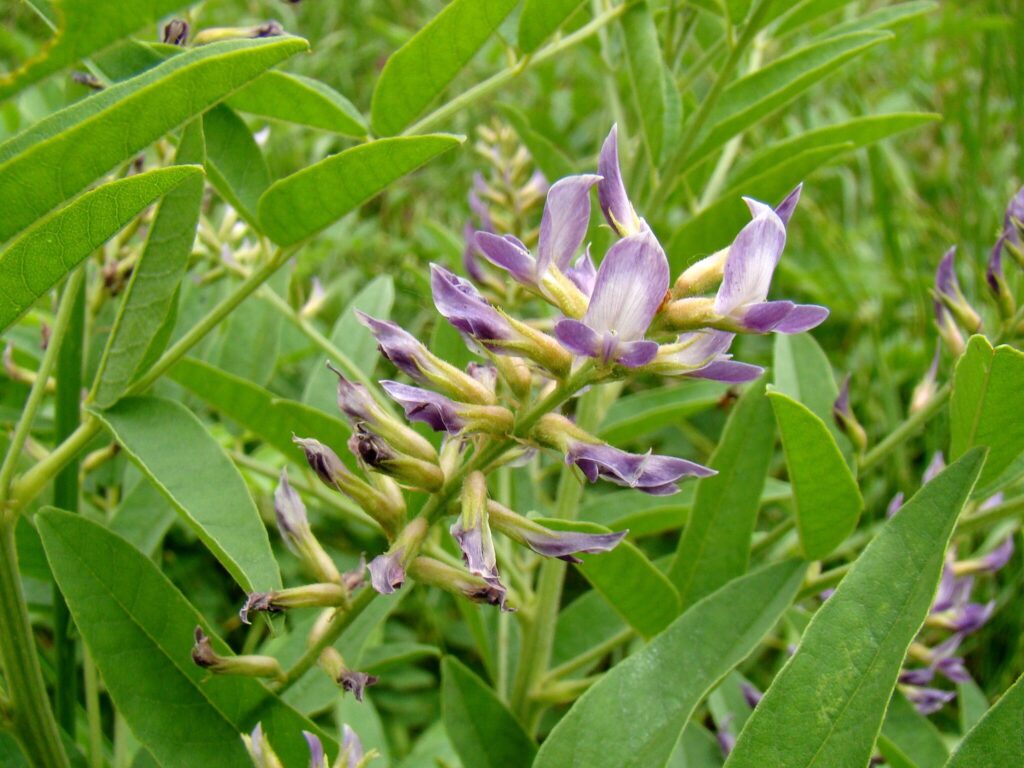
Licorice (Glycyrrhiza glabra), known in Morocco as Erk Sous (عرق السوس), is one of the oldest and most appreciated medicinal plants. Its root, with its characteristic sweet taste, has been used in herbal medicine for millennia to calm the stomach, support the airways and soothe the throat. In this article, we review what licorice is, its composition, its benefits, how to use it, its dosage and above all the essential precautions to know before taking it.
What is licorice?
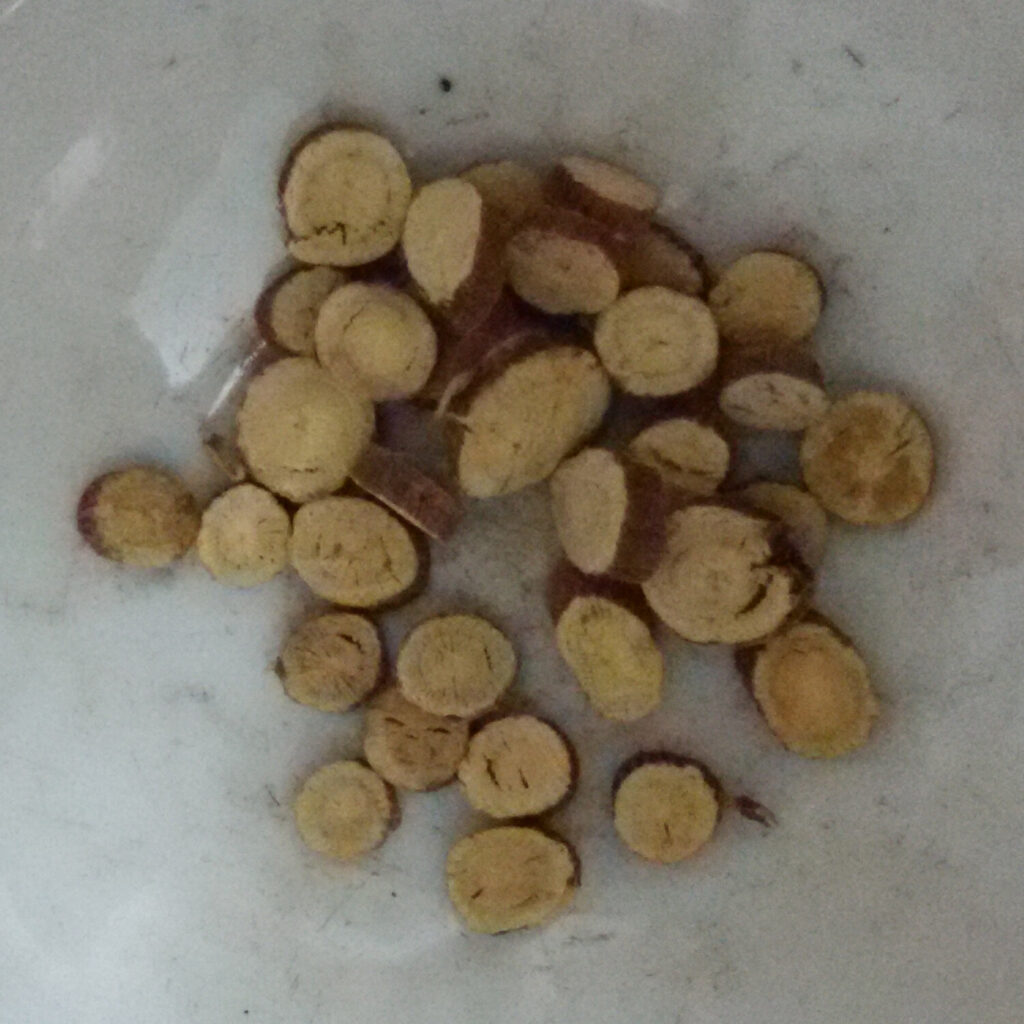
Licorice is a perennial plant of the Fabaceae family, native to the Mediterranean basin and western Asia. It is its long, fibrous root that concentrates the sought-after active compounds. It is recognisable by its sweet, faintly aniseed flavour, up to fifty times sweeter than table sugar without the calories.
In Morocco, licorice root is sold by the herbalist (attar) as pieces of wood to chew, as a powder, or as sticks to steep. It also goes into many digestive herbal teas and traditional refreshing drinks.
Composition and active compounds of licorice
The richness of licorice lies in its bioactive compounds, the most studied of which is glycyrrhizin (or glycyrrhizic acid), a triterpene saponin that alone accounts for between 10 and 25% of the root’s compounds. It is this compound that gives the plant its sweet taste, but it also explains both its effects and the precautions surrounding its use.
- Glycyrrhizin (glycyrrhizic acid): the major active compound, with anti-inflammatory properties.
- Flavonoids (liquiritin, isoliquiritin): natural antioxidants.
- Polyphenols and coumarins: which contribute to the plant’s protective action.
- Polysaccharides and mucilage: which soothe the mucous membranes.
The benefits of licorice
The virtues of licorice are documented by long-standing traditional use, and some of them are recognised by the European Medicines Agency (EMA).
An ally for digestion
Licorice is traditionally used to soothe the burning sensation of heartburn and digestive discomfort. Its mucilage forms a protective film over the lining of the stomach, which explains its historical use against acid reflux and difficult digestion.
Support for the airways
The EMA recognises the use of licorice root to help bring up mucus during passing respiratory complaints. It is therefore found in many preparations for a chesty cough and congested bronchial tubes.
Anti-inflammatory properties
Glycyrrhizin has an anti-inflammatory action that helps calm irritation of the tissues and mucous membranes. This property is put to use both for digestive comfort and for soothing the throat.
An antioxidant effect
Thanks to its flavonoids and polyphenols, licorice helps counter oxidative stress, a mechanism involved in cellular ageing. This antioxidant effect rounds out its overall value for well-being.
Throat comfort
Chewed or taken as an infusion, the root soothes irritated throats and hoarseness. It is one of the most widespread popular uses, particularly in winter.
How to use licorice and at what dosage
Licorice comes in several forms. Here are the most commonly cited dosage benchmarks, to be adapted on the advice of a healthcare professional.
- As an infusion: about 1 to 4 g of dried root per cup, at a rate of 1 to 2 cups a day. Steep for 10 to 15 minutes.
- Root to chew: a small stick of root, occasionally, to soothe the throat.
- DGL form (deglycyrrhizinated licorice): 200 to 300 mg before each meal. This form, stripped of glycyrrhizin, limits the effects on blood pressure and is better suited to prolonged courses.
One essential point: it is recommended not to exceed 100 mg of glycyrrhizic acid a day, and not to continue a course of ordinary licorice beyond 6 weeks without medical advice.
Precautions and contraindications
Licorice is not harmless. An intake of barely 100 mg of glycyrrhizic acid a day can be enough to cause a clinically significant rise in blood pressure in a healthy adult. Glycyrrhizin can indeed disturb the body’s water and mineral balance, encouraging a drop in blood potassium (hypokalaemia) and water retention.
- High blood pressure: ordinary licorice is not advised if your blood pressure is high.
- Pregnancy and breastfeeding: avoid as a precaution.
- Kidney, heart or liver disease: seek medical advice before taking any.
- Hypokalaemia or low potassium: licorice must be ruled out.
- Drug interactions: take care with diuretics, corticosteroids and heart treatments (such as digoxin).
If in doubt, the DGL (deglycyrrhizinated) form is a safer alternative, particularly for sensitive people or for prolonged use.
FAQ about licorice
Does licorice raise blood pressure?
Yes. Taken in excess and in its ordinary form, licorice can raise blood pressure because of the glycyrrhizin. People with hypertension should avoid it or opt for the DGL form.
How long can you take licorice for?
A course of ordinary licorice should not exceed 6 weeks without medical advice, keeping to the limit of 100 mg of glycyrrhizic acid a day.
What is the difference between licorice and DGL licorice?
The DGL form is deglycyrrhizinated licorice: the glycyrrhizin responsible for the effects on blood pressure and potassium has been removed. It keeps the digestive value while being better tolerated over time.
To go further
To dig deeper into the subject, see the reference entry on licorice on Wikipedia. On our blog, also discover other plants that are useful for digestion and well-being:
- Chamomile: benefits, dosage and precautions
- Fennel: benefits, dosage and precautions
- Ginger: benefits, dosage and precautions
This article is provided for informational purposes and does not replace medical advice. Consult a healthcare professional before any use, particularly in case of ongoing treatment, pregnancy, breastfeeding or a chronic condition.