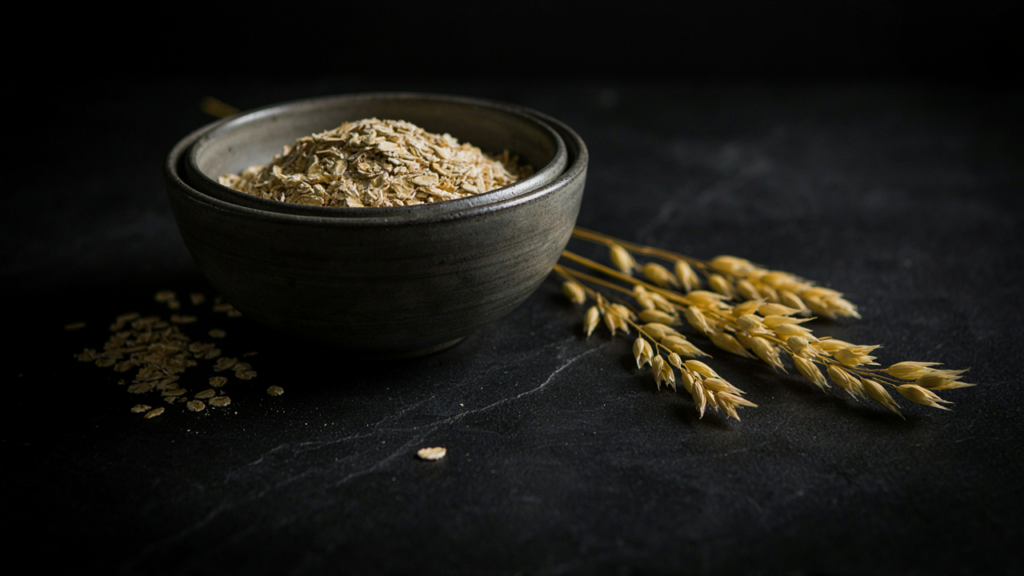
Oats (Avena sativa) are a wholegrain cereal very popular in Morocco, eaten as flakes, bran or flour, for their high soluble fibre content and their filling effect. This article reviews their composition, benefits, dosage and precautions for use.
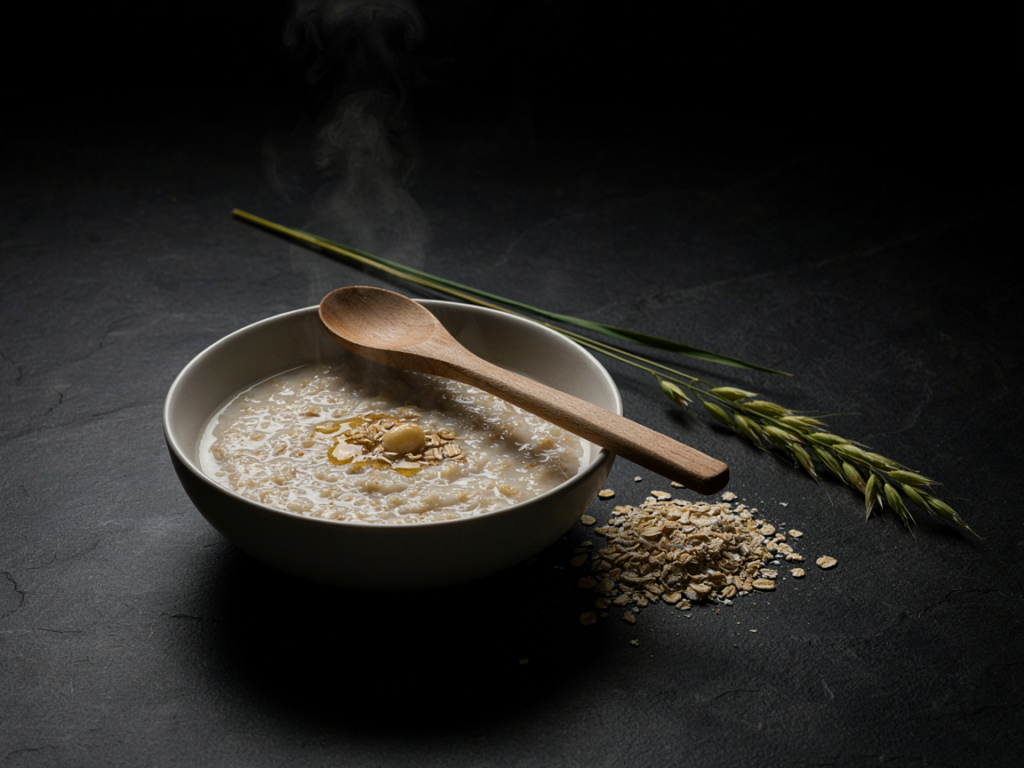
What are oats?
Oats are a plant of the Poaceae family grown for their grain. They are eaten in several forms: whole grains, flakes, oat bran, flour, or beta-glucan powder as a dietary supplement. Used in porridge, bread, cakes or drinks, oats are one of the most common breakfast cereals.
Composition and active compounds of oats
The oat grain contains soluble fibre, including beta-glucans, as well as protein, starch, phenols, sterols and flavonoids. Its most studied active compounds are beta-glucans and avenanthramides.
- Minerals: calcium, potassium, phosphorus, iron, manganese, zinc and silicon.
- Vitamins: B-group vitamins, as well as vitamins A, C, E and K.
- Soluble fibre: beta-glucans, which are at the heart of most health claims.
Oats contain gluten, an important point that we cover in detail in the precautions section.
The benefits of oats
Oats and cholesterol
The beta-glucans in oats can help modestly lower total cholesterol and LDL cholesterol, as part of a diet low in saturated fat. The European Food Safety Authority (EFSA) recognises an intake of 3 g of beta-glucans per day, with at least 1 g per serving.
Oats and heart health
High-fibre diets, which include oats, are associated with a lower risk of cardiovascular disease. A randomised trial in stage 1 hypertension observed an improvement in blood pressure with 30 g of oat bran per day for three months.
Oats and blood sugar
Soluble fibre slows down the absorption of carbohydrates. Oats may therefore help limit blood sugar spikes after meals and improve glycaemic control, including in type 2 diabetes, alongside medical follow-up.
Oats and digestion
Thanks to their fibre, oats support regular bowel movements and provide a lasting feeling of fullness. They can therefore play a part in a balanced diet aimed at keeping cravings under control.
Oats and skin care
Colloidal oatmeal, used in baths or lotions, is traditionally used to soothe dry, irritated or itchy skin. This effect is attributed in particular to avenanthramides, which have anti-inflammatory properties.
How to use oats and dosage
Doses vary depending on the goal and the form used. As a guide, for adults:
- Cholesterol: about 3 to 10 g of bran or flakes per day.
- Blood sugar: 4 to 25 g depending on the study.
- Blood pressure: up to 75 g of flakes per day in some trials.
- General goal: at least 3 g of beta-glucans per day, through diet.
- External use: lotions or baths containing about 5% colloidal oatmeal.
Day to day, oats are easy to enjoy as hot porridge made with milk or a plant-based drink, as muesli, in a smoothie or added to baked goods. Introduce them gradually and drink enough water to avoid bloating.
Precautions and contraindications for oats
- Coeliac disease: oats contain gluten and are not recommended, except on medical advice and with oats certified free from contamination.
- Insulin-treated diabetes: oats can enhance the blood-sugar-lowering effect, so blood sugar monitoring is advised.
- Other blood-sugar-lowering plants or supplements: effects may be additive.
- Children under 12: concentrated supplements are not recommended due to insufficient data.
- Pregnancy and breastfeeding: food amounts are considered safe, but the safety of supplements has not been established. Ask a healthcare professional for advice.
Oats FAQ
Do oats help you lose weight?
No food makes you lose weight on its own. However, the high fibre content of oats provides good satiety, which can help you manage your appetite as part of a balanced diet.
Do oats contain gluten?
Yes, oats contain gluten. People with coeliac disease should ask their doctor for advice before eating them.
Can you eat oats every day?
Yes, as part of a varied diet and in reasonable amounts, unless there is a medical contraindication. Increase portions gradually so that your gut can adjust.
Conclusion
Oats are a simple, affordable, fibre-rich cereal whose beta-glucans support healthy cholesterol, blood sugar and digestion. Included in a balanced diet and used with the precautions in mind, they are a great everyday wellness ally.
Further reading
- External source: the Wikipedia page on oats
- Also read: the benefits of spirulina
- Also read: the benefits of moringa
- Also read: the benefits of ginseng
Disclaimer: this article is for information only and does not replace the advice of a doctor or pharmacist. Consult a healthcare professional before any use, especially if you are on treatment, ill or pregnant.