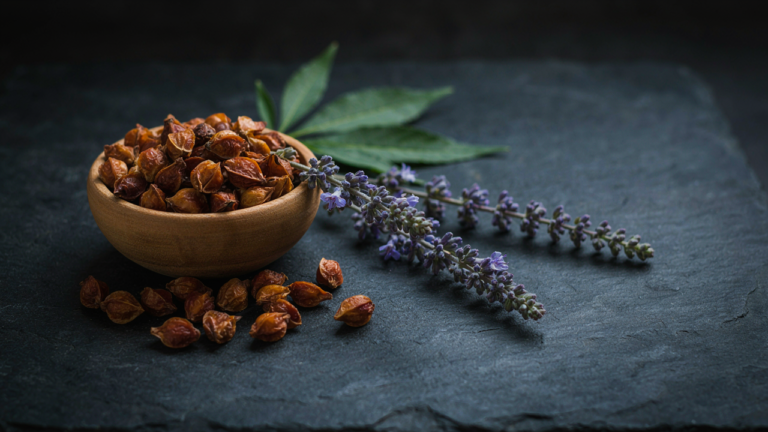
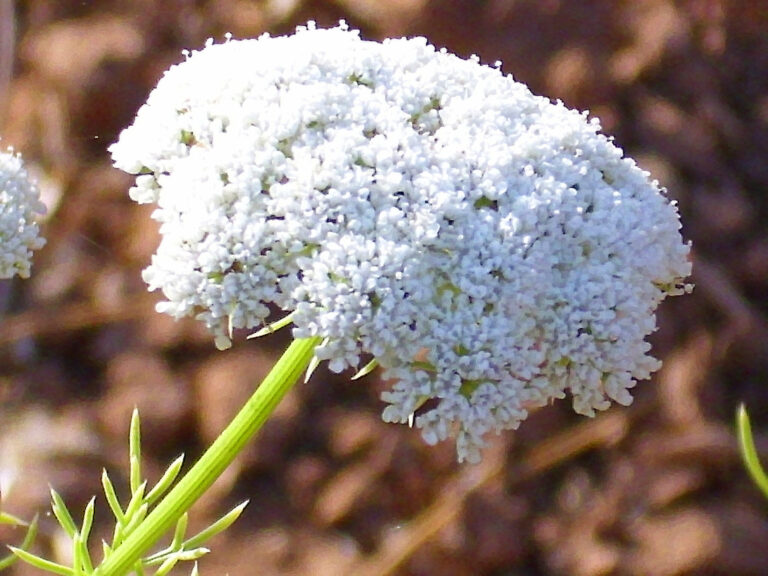
Valerian (Valeriana officinalis) is probably the best-known plant in herbal medicine for restoring restful sleep and easing nervousness. Used since Antiquity, its fragrant root is today one of the most studied natural remedies for mild sleep problems and stress.
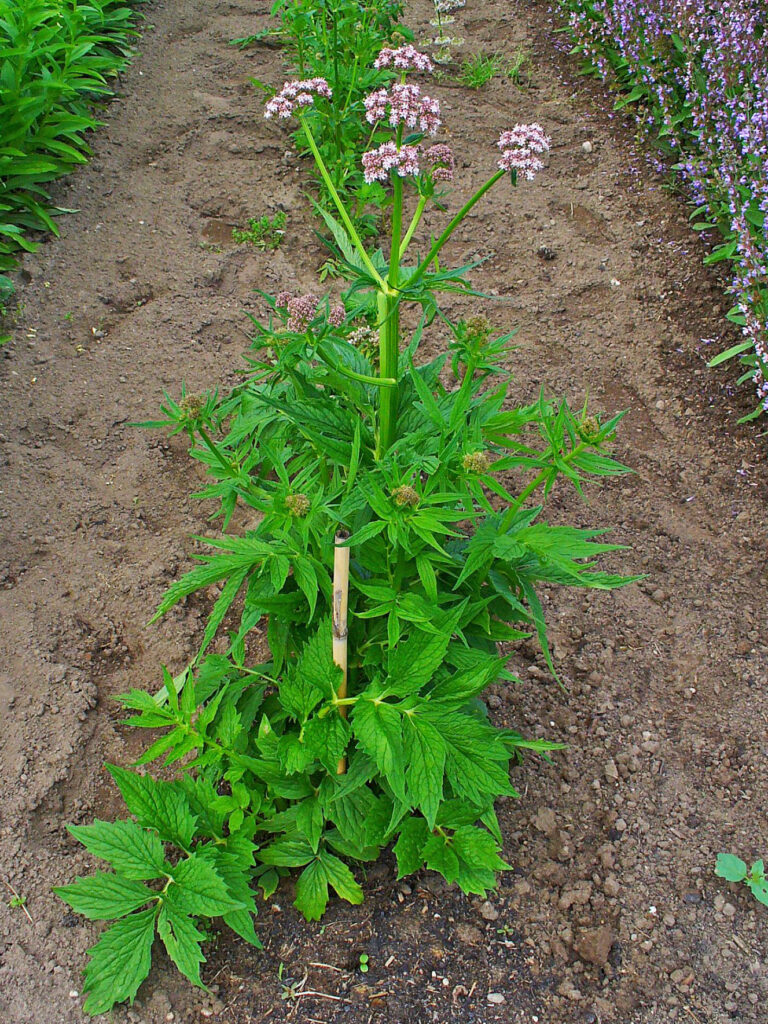
In Morocco, where herbal medicine is part of everyday life, valerian is easy to find at herbalists and pharmacies, as dried root for tea, capsules or extracts. But you still need to know how to use it properly.
In this complete guide, discover valerian’s composition, the benefits supported by traditional use and research, the recommended dosage, and the essential precautions to take before starting a course.
What is valerian?
Common valerian is a perennial plant native to Europe and Asia that grows in damp places. It can reach 1.5 metres in height and in summer bears small pale pink flowers clustered in umbels. However, it is the root, with its strong and distinctive smell, that concentrates the active compounds used in herbal medicine.
Known to Greek physicians such as Hippocrates and Galen, who already recommended it for insomnia, it is sometimes nicknamed “cat’s herb” because its scent attracts felines, or “nature’s Valium” in reference to its calming effects. The root is harvested and then dried at low temperature to preserve its active compounds.
Composition and active compounds
Valerian root contains more than 150 identified compounds. The main groups of active compounds are:
- Sesquiterpenic acids, including valerenic acid, considered the quality marker for extracts;
- Valepotriates, unstable compounds generally absent from finished pharmaceutical preparations;
- An essential oil (borneol, bornyl acetate) responsible for the root’s typical smell;
- Flavonoids and lignans, with complementary properties.
Valerenic acid is thought to act mainly by modulating GABA-A receptors in the central nervous system and by slowing the breakdown of GABA, a key neurotransmitter for relaxation. This action explains the plant’s soothing effect.
Benefits of valerian for sleep and stress
In Europe, the European Medicines Agency (EMA) recognises valerian root as a traditional herbal medicinal product to relieve mild nervous tension and aid sleep. Here are its 7 key benefits:
- Reducing the time it takes to fall asleep;
- Improving the quality of deep sleep;
- Easing mild, temporary stress;
- Calming nervousness and restlessness;
- Supporting, under medical supervision, the gradual withdrawal from sleeping pills;
- Relaxing the muscles (traditional antispasmodic use);
- Supporting nervous comfort during menopause (preliminary data).
Falling asleep faster and sleeping more deeply
Unlike synthetic sleeping pills, valerian does not make you fall asleep instantly. It encourages a gentle transition to sleep: taken regularly, it helps shorten the time it takes to fall asleep and improves the quality of sleep cycles. A noticeable improvement is generally seen after about two weeks of regular use.
Less stress and nervousness
Thanks to its action on the GABA system, the root helps ease the mild nervous tension of the day: irritability, inner restlessness, difficulty “switching off” in the evening. It is particularly useful when sleep problems are linked to mild anxiety.
A gentle alternative to sleeping pills
At usual doses, valerian causes no known dependence or tolerance comparable to that of conventional sleeping pills. Some health professionals even use it to support a gradual withdrawal from hypnotics, always under medical supervision.
Muscle relaxation and women’s comfort
Herbal tradition also attributes antispasmodic properties to the plant, useful for stress-related muscle tension. In menopausal women, a few preliminary studies suggest a beneficial effect on sleep problems and nervousness, but these data still need to be confirmed.
How to use it and dosage
Valerian is mainly used in three forms:
- As a tea: use 2 to 3 g of dried root (about one teaspoon) per cup of boiling water and steep for 10 to 15 minutes. Drink 2 to 3 cups a day, including one in the hour before bedtime;
- As dry extract capsules or tablets: follow the manufacturer’s dosage, generally the equivalent of 400 to 600 mg of root extract before bedtime;
- As a liquid extract or tincture: according to the product’s directions, often diluted in a little water in the evening.
Important: the effects on sleep build up gradually. A course of at least two weeks is recommended before judging its effectiveness. Because the root has a strong smell, capsules are often preferred over tea.
Precautions and contraindications
Although well tolerated in most cases, valerian does call for a few precautions:
- Not recommended during pregnancy and breastfeeding, or for children under 12, due to insufficient data;
- Avoid in case of liver problems or when taking medicines that may be toxic to the liver;
- Do not combine without medical advice with sleeping pills, anti-anxiety drugs, antidepressants, antiepileptics, opioids or sedating antihistamines: the risk of drowsiness may be increased;
- Take care when driving or operating machinery, especially at the start of a course;
- Stop taking it at least one week before surgery, due to a possible interaction with anaesthetics;
- If in doubt or if you are on treatment, ask your doctor or pharmacist for advice.
Valerian FAQ
Does valerian make you sleep immediately?
No. It is not an instant-acting sleeping pill: its effect builds with regular use. It is after one to two weeks of daily intake that the improvement in sleep becomes clear. This gradual action is also what makes it gentle on the body.
Can it be combined with other herbs?
Yes, it is often combined with chamomile, lemon verbena, passionflower or lavender in “sleep” blends. These combinations are classics of herbal medicine. However, avoid stacking several concentrated sedative supplements without professional advice.
Is valerian addictive?
No dependence has been reported at usual doses, unlike some synthetic sleeping pills. It is still advisable to take it in time-limited courses and to reassess the situation if sleep problems persist beyond a few weeks.
Conclusion
The soothing root par excellence, valerian is a valuable ally for regaining good-quality sleep and calming nervousness, without the drawbacks of conventional sleeping pills. Used regularly, at the right dose and with due respect for the precautions, it fits perfectly into a natural wellness routine.
Further reading
To learn more, see the Valerian page on Wikipedia. And if you are looking for other herbs for sleep and relaxation, explore our guides on chamomile, lemon verbena and lavender.
This article is provided for information only and does not replace medical advice. Consult a health professional before starting any course, especially if you are pregnant, on medication or have a chronic condition.
Photos: H. Zell, Wikimedia Commons, CC BY-SA 3.0 licence.