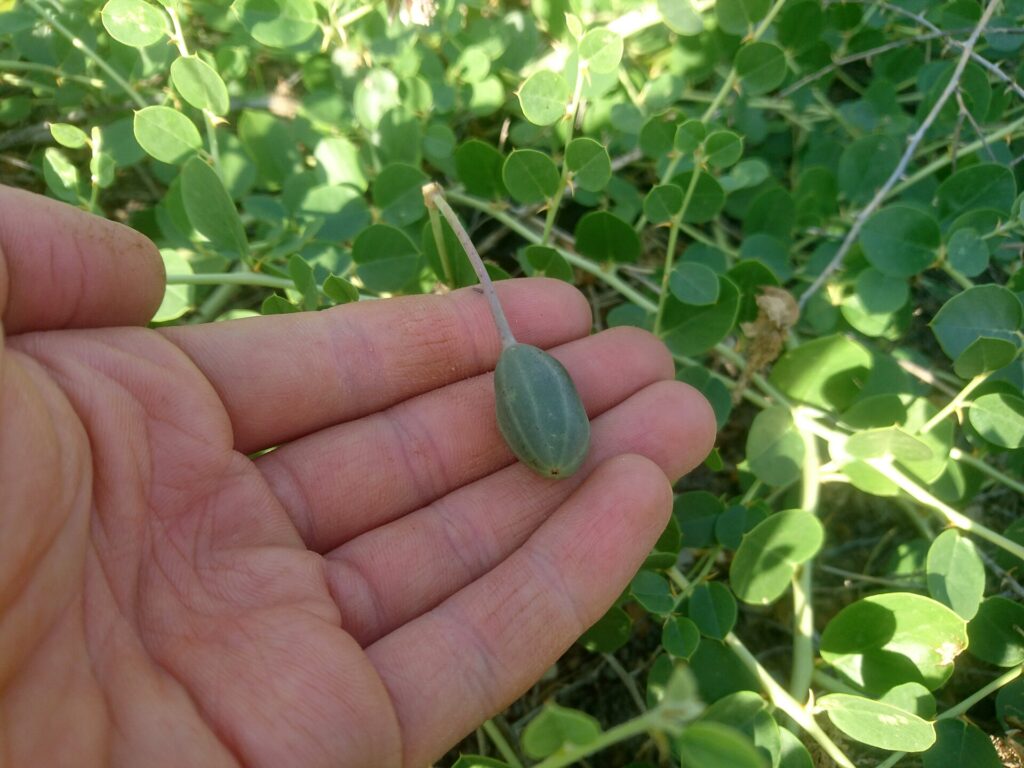
The caper bush is one of those unassuming Mediterranean shrubs you come across on old walls, rocky ground and arid land in Morocco, and whose flower buds — the famous capers — have been used since antiquity both in cooking and in traditional medicine. Known here as “kabbar”, it is valued for its richness in antioxidants, its digestive properties and its traditional use against joint pain.
Composition, documented benefits, how to use it, usual dosages and precautions: here is a complete guide to understanding this Mediterranean plant and using it sensibly.
What is the caper bush?
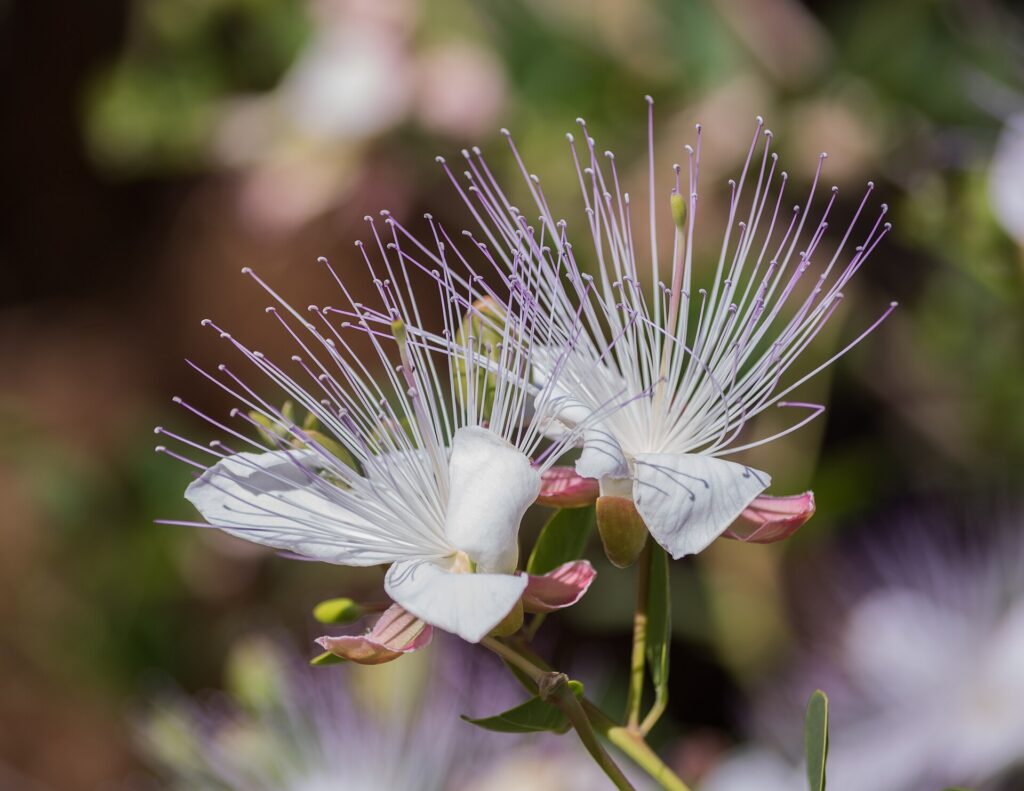
The caper bush (Capparis spinosa L.) is a bushy shrub of the Capparaceae family. Its trailing stems bear round, fleshy leaves, often accompanied by thorns, and large, spectacular white flowers with long purple stamens that last only a single day.
It is a drought-loving plant: it thrives in poor, chalky and stony soils, withstands heat and salinity, and readily colonises low walls and cliffs. This hardiness explains its presence across much of the Mediterranean basin, from Morocco to Turkey.
Several parts of the plant are used:
- The flower buds: these are the capers, picked before the flower opens and then preserved in salt or vinegar.
- The fruits: known as caper berries, milder and fleshier.
- The leaves: eaten pickled in some regions, or used in infusions.
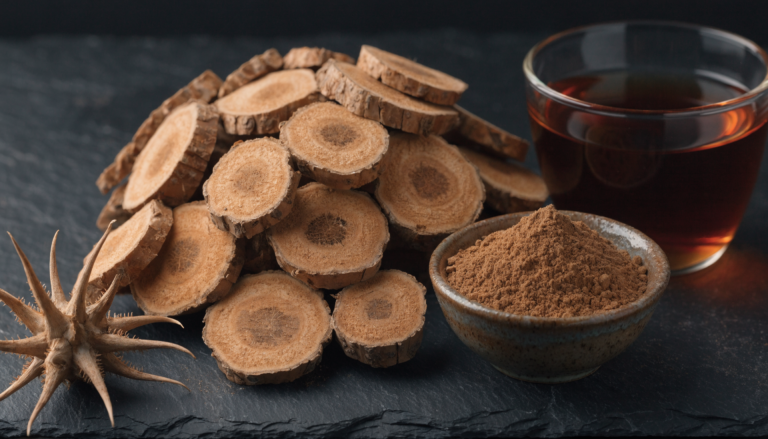
- The root bark: the part most used in traditional herbal medicine, as a decoction.
Morocco is one of the world’s leading producers and exporters of capers, particularly in the Fès-Meknès region and the North, where the harvest is an important seasonal source of income for rural communities.
Composition and active compounds of the caper bush
The value of the caper bush in herbal medicine lies in a fairly rare combination of protective compounds, concentrated mainly in the flower buds and the root bark.
- Flavonoids: the caper is recognised as one of the richest plant sources of rutin (rutoside), along with quercetin and kaempferol.
- Glucosinolates: characteristic sulphur compounds (including glucocapparin) responsible for the typical pungent flavour.
- Phenolic compounds: phenolic acids and tannins with antioxidant activity.
- Vitamins and minerals: vitamin C, provitamin A, as well as calcium, potassium and magnesium.
- Other constituents: alkaloids, saponins, pectins and dietary fibre.
Rutin is the most studied compound: this flavonoid is known for its antioxidant action and its role in supporting the strength of small blood vessels. It is largely to rutin that the caper bush owes its reputation as a circulation “tonic”.
The benefits of the caper bush
The scientific data available on the caper bush comes mainly from laboratory studies and animal models; clinical trials in humans remain few. The benefits below should therefore be read as promising leads, backed by long traditional use.
1. A high antioxidant content
Thanks to its concentration of rutin, quercetin and phenolic compounds, the caper shows remarkable antioxidant capacity for a food eaten in such small quantities. These molecules help the body neutralise the free radicals involved in cellular ageing.
2. Anti-inflammatory action
In vitro studies on human peripheral blood mononuclear cells have shown that an aqueous extract of Capparis spinosa modulated the expression of inflammatory genes, inhibiting interleukin-17 and inducing interleukin-4. In animals, fractions of aqueous extract reduced experimentally induced inflammatory oedema.
3. Support for digestion
This is its oldest and most firmly established use: capers are traditionally regarded as appetite-stimulating and digestive. Their bitterness and sulphur compounds stimulate digestive secretions, which explains their place at the start of the meal in Mediterranean cuisine. The plant is also used as an infusion for bloating and a heavy stomach.
4. A diuretic and cleansing action
The root bark is traditionally described as diuretic and cleansing. In Maghrebi herbal medicine, it is used in decoctions intended to “cleanse” the body, often combined with other draining plants such as nettle.
5. A traditional remedy for rheumatism
In the Maghreb, caper root bark is reputed to relieve joint and rheumatic pain, as a decoction or applied locally. This use is consistent with experimental observations of an anti-arthritic effect attributed to extracts of the plant.
6. Support for the respiratory tract
Traditional North African medicine uses the flower buds and roots as a decoction for colds and breathing discomfort. As with other plants in the local pharmacopoeia such as oregano, this use is above all a matter of tradition.
7. Benefits for the skin
Caper bush extracts are used in cosmetics for their soothing and antioxidant properties, particularly on reactive skin. Research has also highlighted antibacterial and antioxidant activity in essential oils obtained from the leaves.
How to use the caper bush: directions and dosage
There is no officially standardised dosage for the caper bush. The following guidelines reflect the most commonly reported traditional uses; always follow the manufacturer’s or your herbalist’s directions.
As a root bark decoction
Allow about 1 to 2 g of dried root bark per cup of water. Bring to a simmer, cook gently for 10 minutes, then strain. Traditional use calls for 1 to 2 cups a day, as a short course of 2 to 3 weeks followed by a break.
As an infusion of dried leaves or buds
Steep about 1 teaspoon of the dried plant in a cup of simmering water for 10 minutes. One to two cups a day, preferably after meals for the digestive effect.
As capers in food
A tablespoon of capers is more than enough to liven up a dish. Rinse them thoroughly in cold water before use: this simple step removes much of the preserving salt, which makes all the difference for people watching their sodium intake.
For external use
Poultices and compresses made with a concentrated decoction are traditionally applied to painful areas. Always test on a small patch of skin first, as allergic reactions have been reported.
Precautions and contraindications of the caper bush
Eaten in food quantities, the caper bush is well tolerated. In concentrated therapeutic use, a few precautions apply.
- Salt content: shop-bought capers are preserved in brine or dry salt and are therefore very high in sodium. Take care if you have high blood pressure, heart failure or are on a low-salt diet: always rinse them.
- Allergies: cases of allergic contact dermatitis have been reported after applying Capparis spinosa compresses to the skin.
- Pregnancy and breastfeeding: safety data are insufficient; concentrated medicinal use is not recommended.
- Children: limit use to culinary amounts.
- Current treatments: if you are taking antidiabetic, antihypertensive, diuretic or anticoagulant medication, seek medical advice before any course.
- Digestive problems: at high doses, the plant can irritate the stomach lining. Reduce the dose if you experience discomfort.
As with any draining plant, a prolonged course without a break is not recommended. The principle is the same as for olive leaf and other Mediterranean plants: short, spaced-out courses at a reasonable dose.
Caper bush FAQ
Do shop-bought capers have the same benefits as the fresh plant?
Partly. Preserved capers retain a good share of their flavonoids, notably rutin, but the brine adds a lot of salt and soaking can reduce their vitamin C content. For health purposes, root bark or dried buds remain more worthwhile.
Does the caper bush help lower blood sugar?
Preliminary research, mainly in animal models, suggests an effect on glucose metabolism, but the clinical evidence in humans is insufficient to support a recommendation. The plant is in no way a substitute for antidiabetic treatment.
Where can you find good-quality caper bush in Morocco?
From a trusted herbalist or from suppliers who state the origin, the part of the plant used and the harvest date. Good-quality root bark is dry, free of mould and has a distinctly pungent smell.
Conclusion
The caper bush illustrates the very best of the Mediterranean pharmacopoeia: a hardy plant, abundant in Morocco, that is both an everyday condiment and a traditional remedy. Its richness in rutin and phenolic compounds gives it real antioxidant value, and its digestive, draining and anti-inflammatory uses rest on a solid tradition that is now partly supported by research.
What matters most remains moderation, the quality of the raw material and, if you are on medication, the advice of a healthcare professional.
Further reading
- Capparis spinosa — botanical profile on Wikipedia
- Nettle: benefits, dosage and precautions
- Rosemary: benefits, dosage and precautions
- Milk thistle: benefits, dosage and precautions
This article is provided for information only and does not replace medical advice. Consult a healthcare professional before starting a course, particularly if you have a chronic illness, are pregnant or breastfeeding, or are taking medication.