
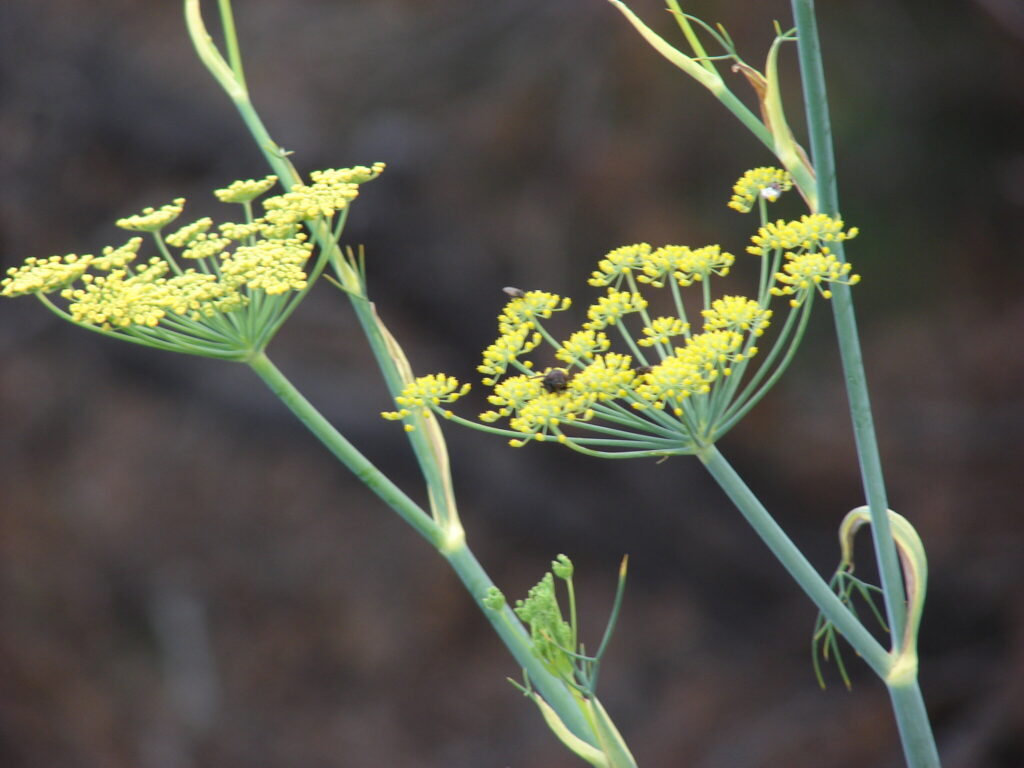
Fennel is one of the most appreciated digestive plants in Morocco, where its seeds flavour both the kitchen and traditional herbal teas. Known since antiquity for calming complaints of the belly, fennel (Foeniculum vulgare) appeals today for its carminative and antispasmodic virtues. In this article, we detail its composition, its benefits, how to use it and the precautions you must know.
What is fennel?
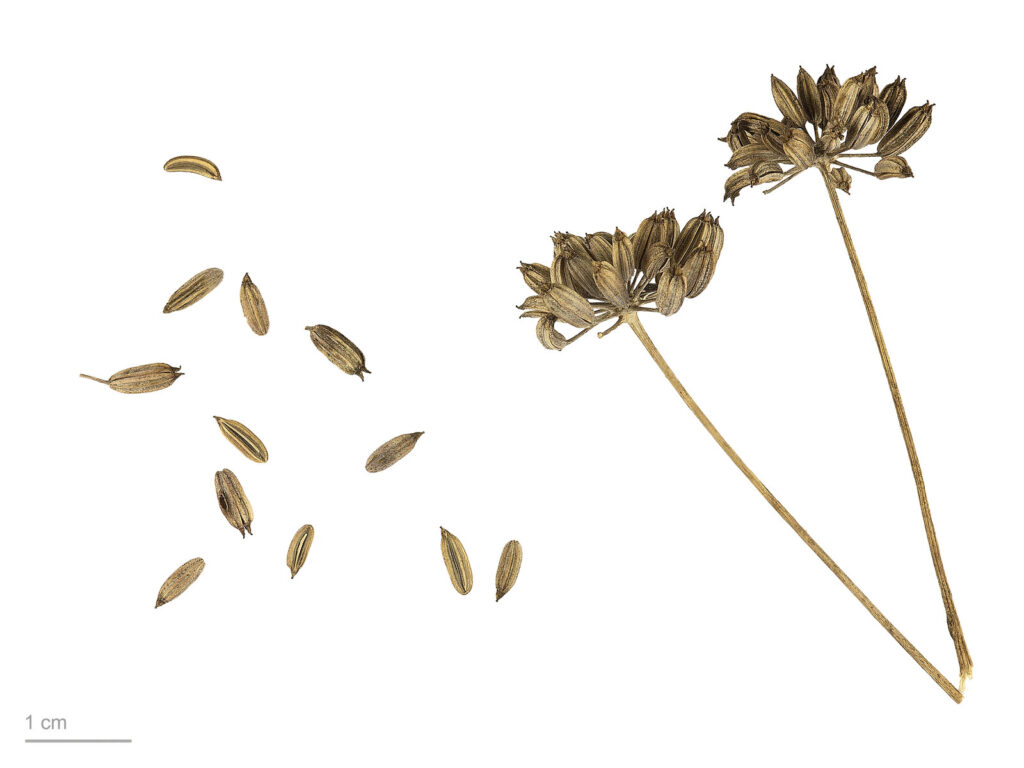
Fennel is an aromatic plant of the Apiaceae family (like anise, cumin or coriander), grown right around the Mediterranean. There are two main forms: sweet fennel, used as a vegetable and in herbal medicine, and bitter fennel. In Morocco it is known above all as nafaa or besbas, and it is its small fruits (commonly called “seeds”) that concentrate most of its medicinal virtues.
The whole plant is useful: the bulb is eaten raw or cooked, the finely chopped fronds flavour dishes, and the dried fruits are used to prepare the digestive infusions that are well known across the region.
Composition and active compounds of fennel
Fennel fruits contain between 2% and 6% essential oil, which explains their powerful aniseed aroma. This essential oil is particularly rich in active compounds that determine the plant’s properties.
- Anethole (50 to 70%): the main compound, responsible for the aniseed smell and the digestive effects, as well as a mild oestrogen-like activity.
- Fenchone (15 to 20%): the molecule credited with the antispasmodic action.
- Estragole: present in smaller quantities.
- Fibre, flavonoids and vitamin C: supplied notably by the bulb, with antioxidant value.
It is this combination of anethole and fenchone that gives fennel its recognised carminative (anti-gas), antispasmodic and digestive properties.
The health benefits of fennel
1. Easing digestion and reducing bloating
This is fennel’s best-documented use. Thanks to its carminative and antispasmodic properties, it helps relieve gastrointestinal spasms, bloating and flatulence. A herbal tea taken after a hearty meal supports digestive comfort and limits that swollen-belly feeling.
2. Calming spasms and painful periods
Fenchone is associated with an antispasmodic action that can help calm stomach aches and painful periods. Fennel is traditionally used to relax the smooth muscle of the digestive system.
3. Antioxidant and antibacterial properties
The flavonoids and vitamin C contribute to the plant’s antioxidant activity. In addition, the antibacterial and antifungal properties of anethole have been demonstrated in the laboratory, which explains the traditional interest in fennel for oral hygiene and fresh breath.
4. A traditional ally during breastfeeding
Fennel has long been reputed for its galactagogue effect (stimulating milk production). This use must, however, be strongly qualified: health agencies today advise against it while breastfeeding (see the precautions section).
How to use fennel and at what dosage
The most common form remains an infusion of the fruits (seeds). To prepare it, lightly crush the seeds to release the essential oil, then let them steep.
- Herbal tea: 1.5 to 2.5 g of crushed fruits in 150 ml of simmering water, up to three times a day.
- Maximum dose: do not exceed 7 g of dried fruits a day.
- Duration: do not continue the course beyond two weeks at a stretch.
- Best moment: after meals, to support digestion.
Fennel also comes as seeds to chew, as an essential oil (restricted and supervised use) and as extract capsules. Always respect the doses stated by the manufacturer or a healthcare professional.
Precautions and contraindications of fennel
Despite its reputation for harmlessness, fennel is not trivial, especially in concentrated form or in prolonged use.
- Pregnancy and breastfeeding: the European Medicines Agency advises against products based on fennel seeds or essential oil. Anethole has hormone-like effects and passes into breast milk.
- Hormone-dependent cancers and endometriosis: because of the phytoestrogenic activity of anethole, any concentrated and prolonged use must be discussed with a doctor.
- Children: not advised under the age of 4, except on medical advice.
- Allergies: take care if you are allergic to Apiaceae (anise, cumin, carrot, celery).
- Interactions: fennel can in theory interact with oestrogens, certain antidepressants and ciprofloxacin.
FAQ about fennel
Does fennel help you lose weight?
Fennel is not a fat burner. By reducing bloating it can give the impression of a flatter stomach, but it replaces neither a balanced diet nor physical activity.
Can you drink fennel tea every day?
Occasional consumption is generally well tolerated, but you should not exceed 7 g of seeds a day or continue the course beyond two weeks without medical advice.
What is the difference between fennel and anise?
Both belong to the Apiaceae and share anethole, hence their common aniseed taste. They are, however, two distinct plants, with different fruits and different culinary uses.
Conclusion
Fennel is a precious plant for digestive comfort, provided you respect the doses and the precautions for use. Taken sensibly as a herbal tea, it makes a simple and accessible natural ally. In case of pregnancy, breastfeeding or ongoing treatment, medical advice remains essential before any course.
To go further
To dig deeper into the botany and history of this plant, see the reference entry: Fennel on Wikipedia.
Also discover our other articles on digestive plants and well-being: pennyroyal mint, ginger and verbena.
This article is provided for informational purposes and does not replace medical advice. Consult a healthcare professional before any use, particularly in case of pregnancy, breastfeeding, chronic illness or medication.
Leave a Reply