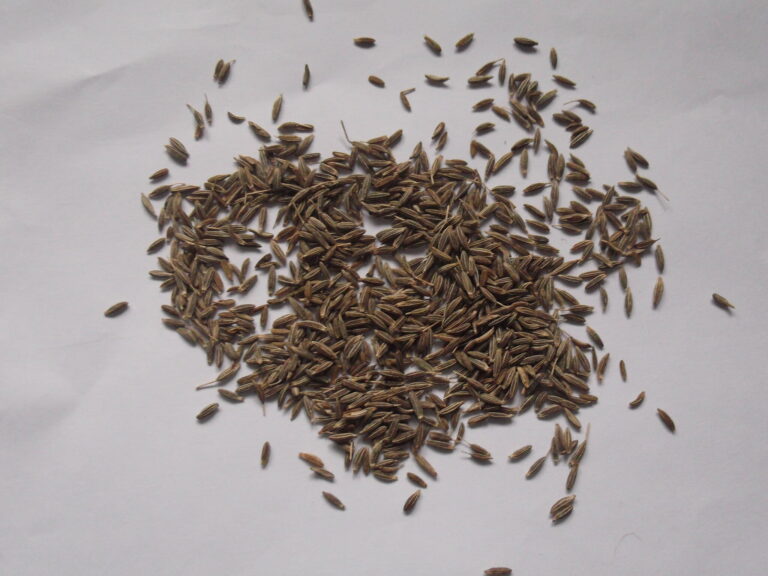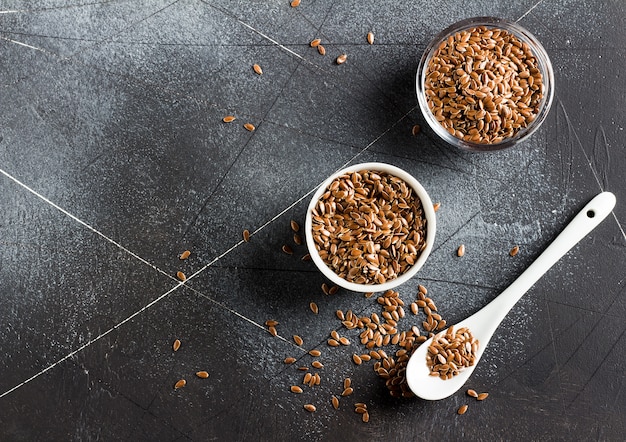
Flaxseed, known as “zerriât el kettan” in Morocco, is one of the richest plant sources of omega-3 and a pillar of traditional herbal medicine. Long confined to the souks and grandmothers’ recipes, it is now enjoying a real revival in herbal medicine and nutrition, for digestive comfort as well as heart health, satiety and beautiful hair. In this article, we review its composition, its documented benefits, the right way to eat it and the essential precautions.
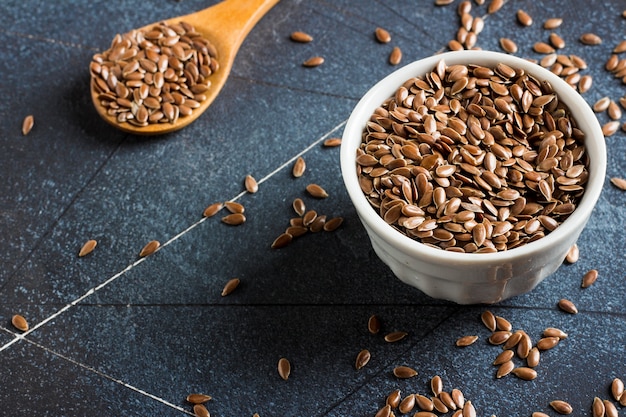
What is flaxseed?
Flax (Linum usitatissimum) is a herbaceous plant with delicate blue flowers, grown for thousands of years for its textile fibre and its seeds. These small oval seeds, brown or golden, are eaten whole, ground or pressed into oil. The two varieties, brown and golden, have very similar nutritional value.
In Morocco, flaxseed is sold by most herbalists. It is traditionally used to ease bowel movements, soothe the intestines and strengthen hair, often as ground seeds added to preparations or as a gel made by soaking the seeds in water.
Composition and active compounds of flaxseed
Flaxseed owes its virtues to a rare combination of nutrients and active compounds:
- Omega-3 (ALA): it contains about 35 to 45% fat, more than half of which is alpha-linolenic acid, an essential omega-3 that the body cannot make.
- Lignans: flax is the most concentrated food source of lignans, polyphenols with antioxidant and gentle phytoestrogenic action.
- Fibre: up to 28% fibre, both soluble (mucilage) and insoluble, hence its regulating effect on bowel movements.
- Plant protein, vitamins and minerals: notably vitamin E, B vitamins, magnesium, potassium and zinc.
The benefits of flaxseed
An ally for bowel regularity and digestion
This is its best-known use. On contact with water, the seed’s mucilage forms a gel that increases stool bulk and softens it, which helps relieve occasional constipation. The fibre also feeds the gut microbiota and contributes to better everyday digestive comfort, provided you drink enough water.
Cholesterol and heart health
Soluble fibre limits the absorption of dietary cholesterol, while omega-3s help maintain normal blood cholesterol levels. Several clinical studies report a modest but real reduction in LDL cholesterol and blood pressure in regular consumers of ground flaxseed. It is therefore a simple step to support a heart-protective diet.
Satiety and weight management
The gel formed by the mucilage slows stomach emptying and prolongs the feeling of fullness. Added to breakfast or a salad, a spoonful of ground seeds helps curb cravings, making it a useful support as part of a balanced eating plan — without being a miracle slimming product.
Female hormonal balance
Lignans have a structure similar to oestrogens and exert a gentle modulating action. Some women use them to ease menopause-related discomforts such as hot flushes. Research is ongoing, and medical advice is still recommended in case of hormonal disorders or ongoing treatment.
Skin and hair
Thanks to its omega-3s, vitamin E and zinc, flaxseed contributes to supple skin and healthy hair. In Morocco, flaxseed gel — made by simmering the seeds in water and then straining — is widely used to define curls, tame hair and add shine.
How to use it and dosage
The generally recommended dose is 1 to 2 tablespoons a day (about 10 to 20 g), always with a large glass of water. A few simple rules to get the most out of it:
- Eat them ground: whole seeds pass through the digestive tract without releasing their omega-3s or lignans.
- Grind them just before eating and store the powder in the fridge in an airtight container, as omega-3s oxidise quickly.
- Add them to yoghurts, salads, soups, homemade bread or smoothies, preferably without high-heat cooking.
- Start with a small amount (one teaspoon) and increase gradually to let your gut adjust.
Precautions and contraindications
Although well tolerated at dietary doses, flaxseed still calls for a few precautions:
- Always drink enough water: without fluid, the fibre can actually slow bowel movements.
- Avoid it in case of intestinal obstruction or narrowing, and seek advice if you have inflammatory bowel disease or diverticulitis.
- Take your medicines at a different time (at least two hours apart), as the mucilage can reduce their absorption; take particular care with anticoagulants and hormonal or thyroid treatments.
- As a precaution, limit consumption during pregnancy and breastfeeding unless advised otherwise by a doctor.
- Do not eat very large quantities of raw seeds: they contain cyanogenic compounds, which are harmless at usual doses.
Flaxseed FAQ
Should flaxseed be eaten whole or ground?
Ground, without hesitation. The seed coat resists digestion: whole, it mainly acts as bulk for the bowels, but its omega-3s and lignans remain inaccessible. A quick grind in a coffee grinder is all it takes.
How much per day?
One to two tablespoons of ground seeds a day cover most of an adult’s ALA omega-3 needs. There is no point in eating more: beyond that, the benefit does not increase and digestive discomfort becomes more likely.
Brown or golden seeds: what is the difference?
Their composition is very similar. Golden seeds taste slightly milder, while brown seeds are often cheaper at Moroccan herbalists. Above all, choose fresh seeds that have been well stored away from heat and light.
Conclusion
Small in size but big in effect: flaxseed packs omega-3s, fibre and lignans into a single spoonful. Eaten ground, with enough water and at a reasonable dose, it supports bowel regularity, the heart, satiety and beautiful hair. A simple, affordable habit to adopt, available from every herbalist in Morocco.
Further reading
To learn more, see the Wikipedia page on flax. Also read our articles on the benefits of spirulina, fenugreek and black seed (habba sawda).
This article is provided for information purposes and does not replace medical advice. Consult a healthcare professional before taking any supplement, especially if you are on treatment, pregnant or have a chronic condition.