
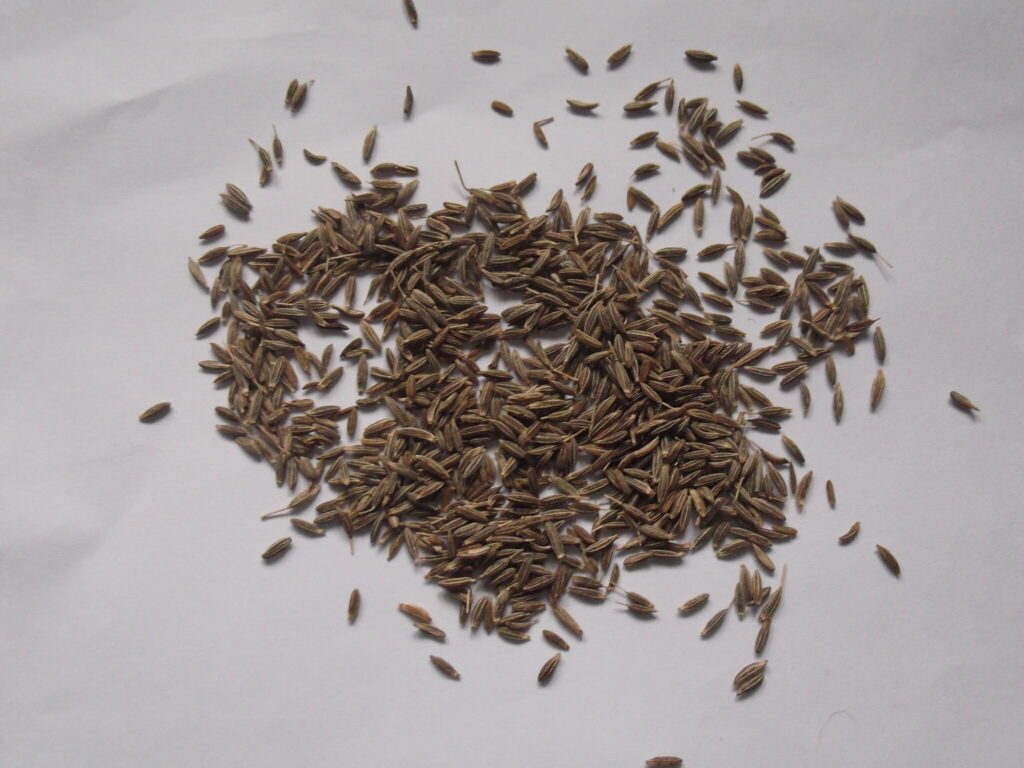
Cumin is one of the most present spices in Moroccan cooking, but it is also a medicinal plant whose virtues have been recognised since antiquity. Behind its warm, faintly pungent aroma lie active compounds studied for digestion, blood sugar and metabolism. In this complete guide, we review the benefits of cumin, how to use it, the recommended dosage and the precautions to know before taking it regularly.
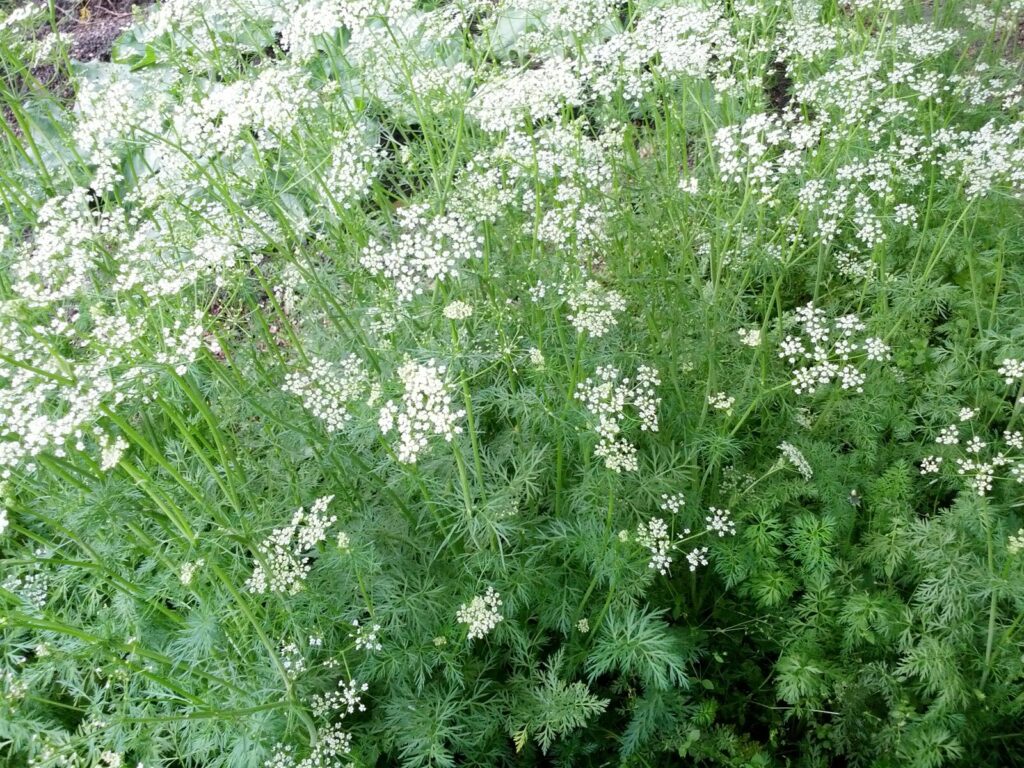
What is cumin?
Cumin (Cuminum cyminum), called “kamoun” in Morocco, is a herbaceous plant of the Apiaceae family, the same one as fennel, anise or coriander. It is its small elongated seeds, dried and then ground, that are used as a spice and as a traditional remedy.
Native to the Mediterranean basin and the Middle East, cumin holds a central place in Moroccan gastronomy, where it flavours tagines, grilled meats, soups such as harira and many spice blends. Beyond the kitchen, it has been used for centuries in herbal medicine to relieve digestive complaints.
Composition and active compounds of cumin
The virtues of cumin are explained by its wealth of aromatic compounds and antioxidants. Its seeds contain an essential oil whose main component is cuminaldehyde, a molecule associated with stimulating digestion and regulating blood sugar.
Cumin also contains flavonoids and polyphenols with antioxidant and anti-inflammatory properties, terpenes, and fibre. It is, moreover, an interesting spice for its iron content, a mineral essential to carrying oxygen around the body.
- Essential oil rich in cuminaldehyde
- Antioxidant flavonoids and polyphenols
- Aromatic terpenes
- Dietary fibre
- Minerals, including iron
The health benefits of cumin
Used regularly and in reasonable amounts, cumin can bring several benefits, particularly to the digestive and metabolic spheres. Here are the main documented effects.
Cumin and digestion
This is the oldest and best-established use. The aromatic compounds in cumin stimulate the secretion of digestive juices and bile, which makes fats easier to digest. By encouraging the release of digestive enzymes, it can help reduce that bloated, heavy feeling after a hearty meal — one reason it traditionally accompanies rich dishes.
Cumin and blood-sugar regulation
Several clinical trials published in recent years have looked at cumin powder at doses of 1.5 to 3 g a day for 8 to 12 weeks. In overweight or prediabetic adults, they observed a modest reduction in fasting blood glucose and LDL cholesterol. These results are encouraging but remain moderate: cumin in no way replaces medical treatment.
Cumin, weight and metabolism
By acting on digestion and on certain metabolic markers such as the lipid profile, cumin is sometimes cited as an ally in weight management. It must, however, sit within a balanced diet and regular physical activity: no spice causes weight loss on its own.
A source of antioxidants and iron
Thanks to its flavonoids and polyphenols, cumin helps counter oxidative stress, which is involved in cellular ageing. Its iron content also makes it a useful seasoning for lifting vegetarian dishes, provided it is used in the quantities usual for a spice.
How to use cumin and at what dosage
Cumin is most often used as whole seeds or as a powder. It is also drunk as an infusion to enjoy its digestive effects after meals.
- In cooking: about 1 teaspoon of powder (≈ 2 g) a day is enough to flavour dishes and enjoy its virtues.
- As an infusion: 1 to 2 g of lightly crushed seeds in a cup of hot water, steeped for 5 to 10 minutes, after the meal.
- The blood-sugar trials: used 1.5 to 3 g of powder a day over several weeks.
Cumin essential oil is very concentrated: its use should be reserved for those who know what they are doing and supervised by a professional. It is not advisable to take it neat or without specialist advice.
Precautions and contraindications
Taken as a spice, cumin is generally well tolerated. Some situations nevertheless call for caution, particularly with concentrated or prolonged use.
- Pregnancy and breastfeeding: ask a professional before any medicinal use; the essential oil should be avoided.
- Diabetes: since cumin can lower blood sugar, monitoring is necessary if you are on antidiabetic treatment.
- Taking blood-pressure medication or anticoagulants: seek advice before consuming large amounts.
- Allergies: people sensitive to Apiaceae (carrot, celery, anise) may react to cumin.
- Children under 6: the essential oil is not advised for them.
FAQ about cumin
Does cumin help you lose weight?
Cumin can support digestion and improve certain metabolic markers, but it does not cause weight loss on its own. It is only of value within a balanced diet and regular physical activity.
Can you drink cumin infusion every day?
A cumin infusion after meals can be drunk daily by a healthy adult, in the usual quantities. In case of pregnancy, medical treatment or any doubt, it is better to ask a healthcare professional.
What is the difference between cumin and caraway?
Cumin (kamoun) and caraway (karwiya) are two different plants of the same family, with seeds that look alike. Their taste differs: cumin is warmer and earthier, caraway more aniseed. They cannot be swapped for one another without changing the flavour of a dish.
Conclusion
An emblematic spice of Moroccan cooking, cumin is also a precious digestive and metabolic ally. Rich in cuminaldehyde and antioxidants, it can support digestion, help regulate blood sugar and round out a healthy diet. Used at the usual doses and with the precautions respected, it finds its place naturally in an everyday well-being routine.
To go further
To dig deeper into the subject, see the reference entry on cumin (Cuminum cyminum) on Wikipedia. Also discover our other guides to plants with digestive and metabolic virtues:
- Fenugreek: benefits, dosage and precautions
- Ginger: benefits, dosage and precautions
- Turmeric: benefits, dosage and precautions
This article is provided for informational purposes and does not replace medical advice. In case of a health problem, pregnancy, breastfeeding or ongoing treatment, consult a healthcare professional before using cumin therapeutically.
Leave a Reply