Horsetail is one of the richest plants in silica in the plant kingdom, which explains its reputation as a natural remineraliser for hair, nails and bones. Known in Arabic as dhanab el-khil (ذنب الخيل), literally “horse’s tail”, this unassuming wetland plant is now one of the most sought-after in herbalism, in Morocco as well as in Europe. Real benefits, available forms, dosage and precautions: here is what you need to know before taking it.
What is horsetail?
Field horsetail (Equisetum arvense) belongs to the Equisetaceae family. It is a plant with neither flowers nor seeds, which reproduces by spores like ferns. The Equisetum genus is the last survivor of a very ancient plant lineage whose members formed genuine forests in the Palaeozoic era: for this reason it is nicknamed the “fossil plant”.
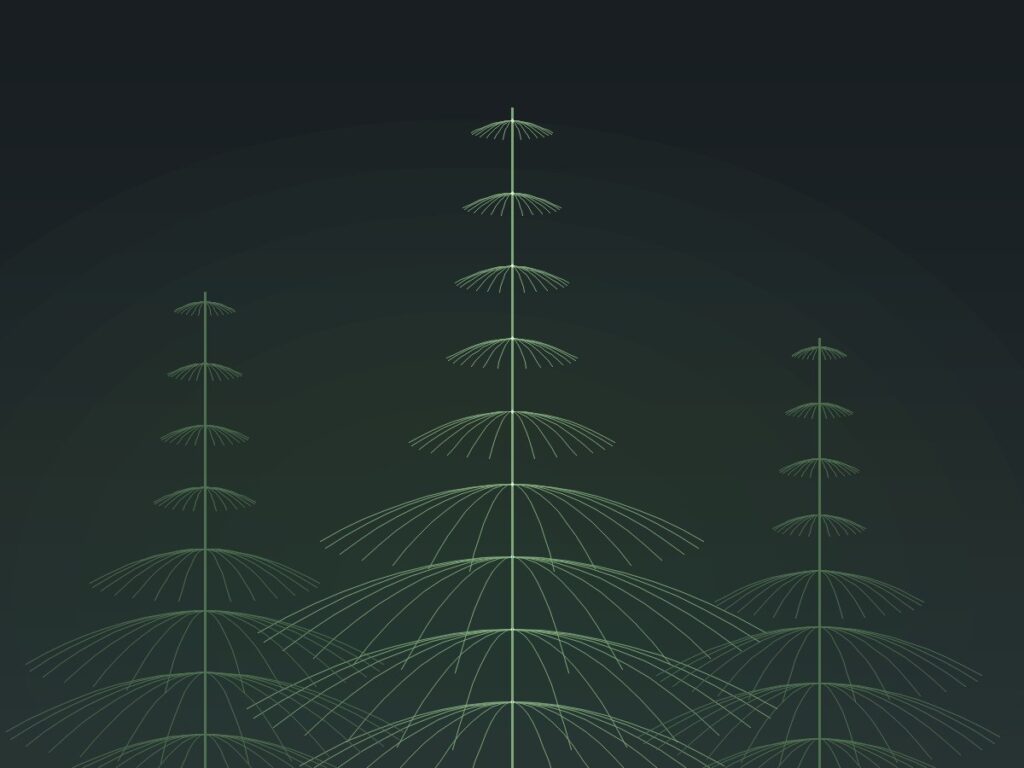
It grows wild in damp soils, along watercourses, ditches and irrigated areas. The plant develops two types of stems: brownish fertile stems in spring, followed by green sterile stems branching into fine whorls reminiscent of a horse’s tail. It is these sterile stems, harvested in summer, that are used in herbal medicine, dried and then cut or ground into powder.
Composition and active compounds of horsetail
Horsetail’s mineral richness is its signature. Its stems accumulate silica from the soil to the point of giving the plant a slightly rough texture to the touch — hence its former household use for scouring pots and pans.
- Silica (silicic acid and silicates): the plant’s most characteristic component, involved in the formation of collagen in connective tissue.
- Flavonoids, notably isoquercitrin, identified as one of the active compounds in horsetail preparations alongside silica.
- Mineral salts: potassium, calcium, magnesium and manganese.
- Phenolic acids and caffeic acid derivatives, with antioxidant properties.
- Saponins and traces of alkaloids.
The plant also contains an enzyme, thiaminase, which can break down vitamin B1. This point, long emphasised, is now largely played down: the enzyme is no longer active in common preparations such as extracts or infusions.
The benefits of horsetail
The traditional uses of horsetail revolve around two main areas: support for connective tissue thanks to silica, and a documented diuretic action.
1. Hair, nails and skin
This is its most popular use. Silica plays a part in the synthesis of collagen, the structural protein of the skin, hair, nails and supporting tissues. Horsetail is therefore traditionally recommended as a course for brittle, splitting nails and to support the vitality and strength of the hair. Results, when they appear, require patience: nails and hair grow slowly, and a course of several weeks is needed before any change can be seen.
2. Bones, cartilage and joints
The same mechanism — silica and collagen formation — explains its traditional use in supporting bones, cartilage and tendons. Horsetail is thus often combined with other joint-comfort plants in dietary supplements, particularly after a period of immobilisation or in active people who put a lot of strain on their joints.
3. Diuretic action and urinary comfort
This is the benefit with the strongest clinical support. A randomised, double-blind trial conducted in Brazil and published in 2014 assessed the acute diuretic effect of Equisetum arvense in healthy volunteers: the effect observed was comparable to that of hydrochlorothiazide 25 mg, a reference diuretic. In practice, horsetail is used traditionally to promote the elimination of water through the kidneys and as an adjunct for minor urinary discomfort.
4. Antioxidant and anti-inflammatory properties
Phytochemical research has highlighted the anti-inflammatory potential of horsetail extracts on keratinocytes stimulated by TNFα and IFNγ, linked to its flavonoid fraction. These results remain experimental and do not, as things stand, allow any conclusion about a therapeutic effect in humans.
How to use horsetail: forms and dosage
The choice of form matters, because it determines what you are trying to achieve. The guidelines below correspond to the traditional uses described in the plant’s European monograph.
As an infusion
Allow 1 to 4 g of dried plant per 150 ml of boiling water, left to infuse for around ten minutes, 3 to 4 times a day. For use aimed at urinary comfort, the traditional dose rises to 2 to 4 g per cup, 3 to 4 times a day. Note: since silica is poorly soluble in water, an infusion is not the most suitable form if the goal is remineralisation.
As a powder and dry extract
The usual guidelines are 1,500 to 1,700 mg of powder per day (sometimes up to 2,000 mg), and 600 to 1,100 mg per day for a dry extract. These concentrated forms are preferred for remineralising courses. The traditionally recommended duration of use for the diuretic action is 2 to 4 weeks, followed by a break.
For external use
A concentrated, cooled decoction is traditionally used in compresses or as a final hair rinse. This external use remains empirical and does not have a level of evidence comparable to oral use.
In all cases, drinking enough fluids is essential during the course, because of the plant’s diuretic effect.
Precautions and contraindications for horsetail
Despite its image as a gentle plant, horsetail is not harmless. Several situations call for caution, or even avoidance.
- Kidney or heart failure: not recommended. The diuretic effect can upset the body’s fluid and mineral balance.
- Pregnancy and breastfeeding: to be avoided, due to insufficient safety data.
- Children under 12: use not recommended.
- Ongoing treatments, particularly diuretics, blood pressure medication, lithium or digitalis: ask a doctor or pharmacist for advice before taking it.
- Prolonged high-dose courses: these have theoretically been associated with a risk of vitamin B1 deficiency via thiaminase. Stick to the indicated course durations and doses.
- Risk of botanical confusion: marsh horsetail (Equisetum palustre) is toxic and can be mistaken for field horsetail. This is a major reason to buy only from a supplier who clearly identifies the species.
Finally, since the plant concentrates minerals from the soil, it can also concentrate heavy metals if it grows on polluted land. The origin and quality control of the product therefore matter just as much as the dosage.
Horsetail FAQ
How long does horsetail take to work on hair and nails?
The diuretic effect is quick, but the benefit for hair and nails follows the pace of regrowth: allow several weeks, or even two to three months, before judging any change on a fully renewed nail.
Herbal tea or capsules: which form should you choose?
For a diuretic or urinary-comfort goal, an infusion works well. For a remineralising course focused on silica, concentrated forms (whole-plant powder, dry extract) make more sense, as silica does not pass well into infusion water.
Can horsetail be taken all year round?
That is not the usual way to use it. The course approach — 2 to 4 weeks for diuretic use, followed by a break — remains the standard, and long, high-dose courses are precisely the ones that raise concerns.
In summary
Horsetail is a traditional remineralising plant, remarkable for its silica content and for a diuretic effect that is now clinically documented. It is used in short courses, at controlled doses, choosing the form according to the intended goal. Its contraindications — kidneys, heart, pregnancy, young children — and the risk of confusion with marsh horsetail are reminders that an effective plant deserves to be used methodically and bought from a reliable source.
Further reading
- Field horsetail (Equisetum arvense) — botanical profile on Wikipedia
- Nettle: benefits, dosage and precautions, another classic remineralising plant.
- Castor oil: benefits, dosage and precautions, for hair and nail care.
- Devil’s claw (Harpagophytum): benefits, dosage and precautions, to support joint comfort.
This article is provided for information purposes only and does not replace medical advice. Ask a healthcare professional for advice before starting any course, particularly if you are undergoing treatment, are pregnant or breastfeeding, or have a chronic condition.