Cinnamon is one of the most appreciated spices in Morocco, both in the kitchen and in traditional herbal medicine, where it is called “karfa”. Behind its warm fragrance lie genuine virtues: blood-sugar regulation, antioxidant action and anti-inflammatory properties studied by science. In this article, we review the composition of cinnamon, its documented benefits, the right dosage and the precautions that are essential before making it a regular part of your diet.
What is cinnamon?
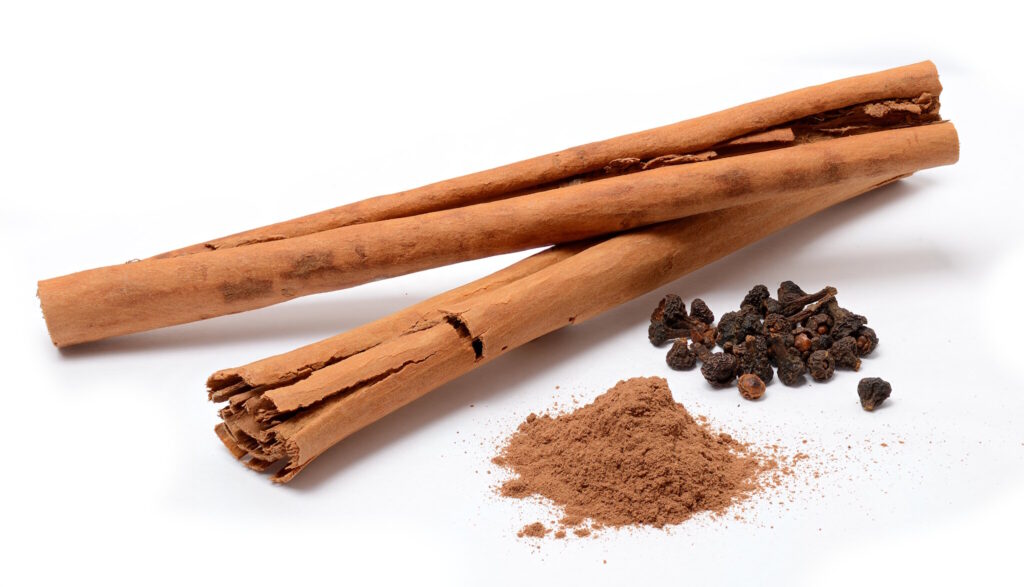
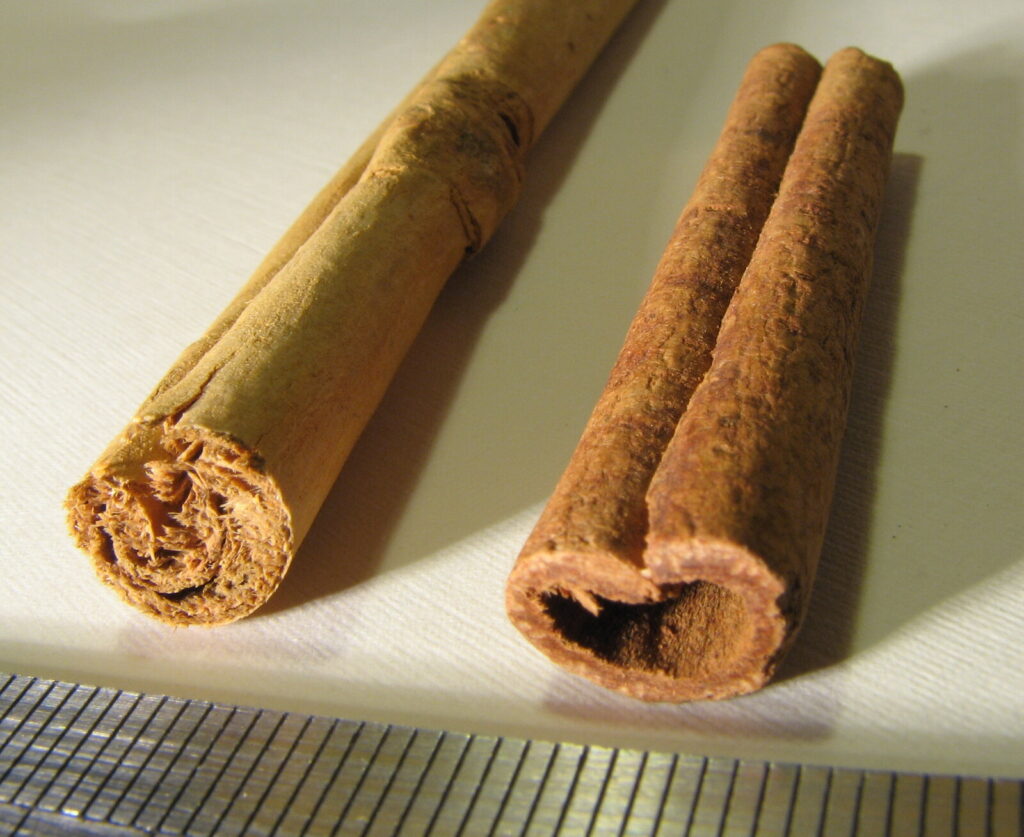
Cinnamon is a spice obtained from the inner bark of several trees of the genus Cinnamomum. There are two main varieties. Ceylon cinnamon (Cinnamomum verum, or “true cinnamon”), native to Sri Lanka, is thin, pale and mild. Cassia cinnamon (Cinnamomum cassia), more common and cheaper, comes from China and Indonesia; it is often the one you find as thick sticks in the souks.
This distinction is far from trivial: the two varieties share the same aromas, but their coumarin content — a compound that can strain the liver at high doses — differs considerably, as we shall see below.
Composition and active compounds of cinnamon
The virtues of cinnamon rest on a wealth of bioactive compounds concentrated in its essential oil and its bark:
- Cinnamaldehyde: the main active compound, responsible for the aroma and for most of the studied effects on blood sugar and inflammation.
- Proanthocyanidins and polyphenols: powerful antioxidants that interact with glucose metabolism.
- Cinnamic acid and eugenol: involved in the antimicrobial and anti-inflammatory properties.
Cinnamaldehyde in particular has anti-inflammatory properties: it inhibits the release of arachidonic acid, a molecule that promotes inflammation in the body.
The health benefits of cinnamon
Helping to regulate blood sugar
This is the best-documented benefit. Several clinical trials have shown that a daily intake of 1 to 6 grams of cinnamon reduced fasting blood glucose by 10 to 29%. A 2025 meta-analysis covering 28 trials observed an average fall of 15.26 mg/dL in fasting blood glucose among cinnamon consumers compared with a placebo. For people with insulin resistance or type 2 diabetes, it therefore represents an interesting natural support — as a complement to, and never a replacement for, medical treatment.
Powerful antioxidant capacity
Thanks to its concentration of polyphenols and proanthocyanidins, cinnamon ranks among the most antioxidant spices. These compounds help neutralise free radicals, the molecules involved in cellular ageing and oxidative stress.
An anti-inflammatory action
Cinnamaldehyde helps modulate certain mechanisms of chronic inflammation, a factor common to many metabolic disorders. This property explains the traditional use of cinnamon for digestive discomfort or a seasonal chill.
Support for the lipid profile and the heart
Some studies suggest that cinnamon can help improve the lipid profile, acting favourably on cholesterol and triglycerides. Combined with its effects on blood sugar, these elements make it an ally of the cardiovascular system, within an overall healthy lifestyle.
Digestion and antimicrobial properties
Traditionally, cinnamon is used to ease digestion, reduce bloating and calm spasms. Its essential oil also has recognised antibacterial and antifungal properties, which explains its ancestral use as a natural preservative.
How to use it and at what dosage
Cinnamon can be enjoyed in many ways: as a powder sprinkled over yoghurt, porridge or fruit; as a stick steeped in a herbal tea or a tea; or worked into the slow-cooked dishes typical of Moroccan cuisine. For a herbal tea, steep one stick (or half a teaspoon of powder) in a cup of hot water for 10 minutes.
As for quantities, the clinical trials on blood sugar used doses of 1 to 6 grams a day, most of them between 1 and 3 grams (roughly half to one teaspoon). The choice of variety is decisive here:
- Ceylon cinnamon: very low in coumarin, it can be taken daily up to 6 g with no particular risk according to the available data.
- Cassia cinnamon: high in coumarin, better to limit yourself to around 0.5 to 1 g a day for prolonged regular use.
Precautions and contraindications
Despite its strengths, cinnamon is not harmless at high doses. The main precaution concerns coumarin: cassia cinnamon can contain up to 1% of its weight in coumarin, whereas Ceylon cinnamon is almost free of it. The European Food Safety Authority (EFSA) recommends not exceeding 0.1 mg of coumarin per kilo of body weight per day. Excessive and prolonged consumption of cassia can, in sensitive people, put strain on the liver.
A few situations call for caution:
- Pregnant or breastfeeding women: avoid medicinal doses and keep to moderate culinary use.
- People with diabetes on treatment: since cinnamon can lower blood sugar, medical monitoring is recommended to avoid hypoglycaemia.
- People on anticoagulants or living with liver disorders: seek medical advice before any course.
- Allergies: cinnamaldehyde can cause irritation or skin reactions in some people.
FAQ about cinnamon
Which cinnamon should you choose for health?
For daily use with health in mind, favour Ceylon cinnamon (“true cinnamon”), milder and far lower in coumarin than cassia, which makes it safer over the long term.
Does cinnamon lower blood sugar?
Several clinical studies indicate a fall in fasting blood glucose with 1 to 6 g a day. Cinnamon does not, however, replace any treatment: it can accompany a healthy lifestyle, under medical supervision for people with diabetes.
Can you eat cinnamon every day?
Yes, at a reasonable dose. With Ceylon, up to 6 g a day remains safe; with cassia, it is better not to exceed 0.5 to 1 g a day in regular use, because of the coumarin.
Conclusion
Cinnamon is a precious spice that combines pleasure at the table with concrete health benefits, particularly for blood-sugar regulation and antioxidant protection. To enjoy it with peace of mind, choose the Ceylon variety where you can, respect the doses and keep the precautions in mind. Worked into a balanced diet, it makes an excellent everyday well-being habit.
To go further
To dig deeper into the history and botany of this spice, see the Cinnamon entry on Wikipedia. Also discover other plants with complementary virtues on our blog:
- Ginger: benefits, dosage and precautions
- Turmeric: benefits, dosage and precautions
- Fenugreek: benefits, dosage and precautions
This article is provided for informational purposes and does not replace medical advice. Consult a healthcare professional before any course, especially if you are on ongoing treatment, pregnant or living with a chronic condition.