Spearmint (Mentha spicata) is one of the most widely consumed aromatic plants in Morocco, where it flavours the famous mint tea and countless digestive infusions. Behind its fresh fragrance lies a genuine medicinal plant, rich in antioxidants and traditionally used to ease digestion. In this guide, discover the benefits of spearmint, its active compounds, the recommended dosage and the precautions to know.
What is spearmint?
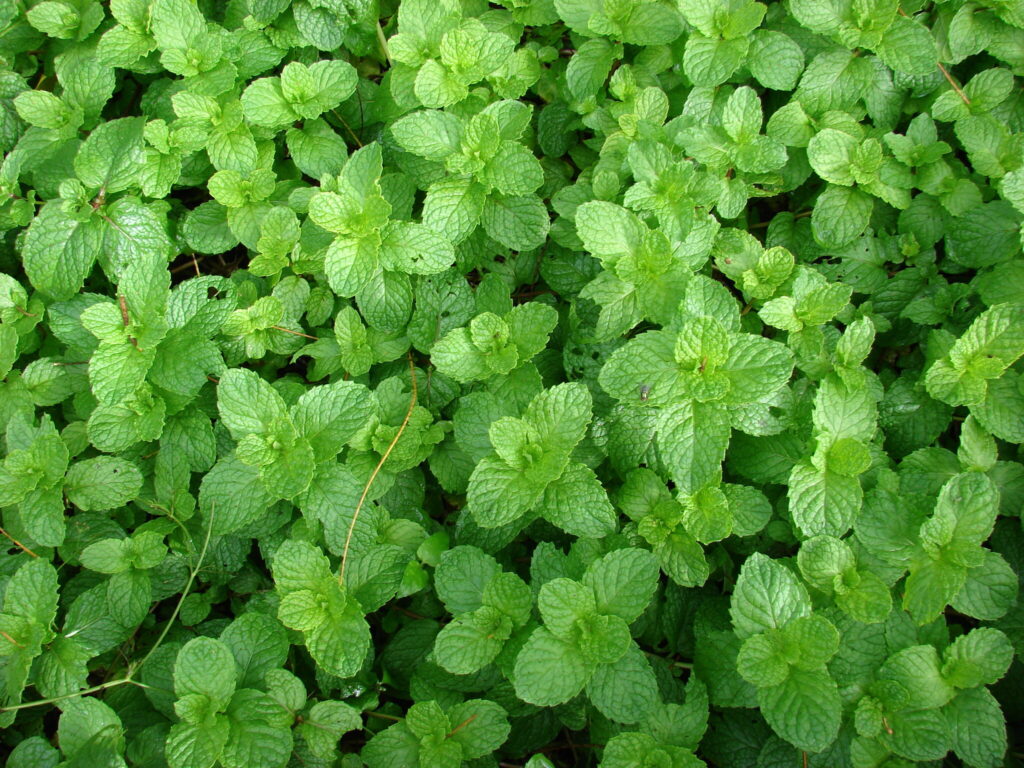
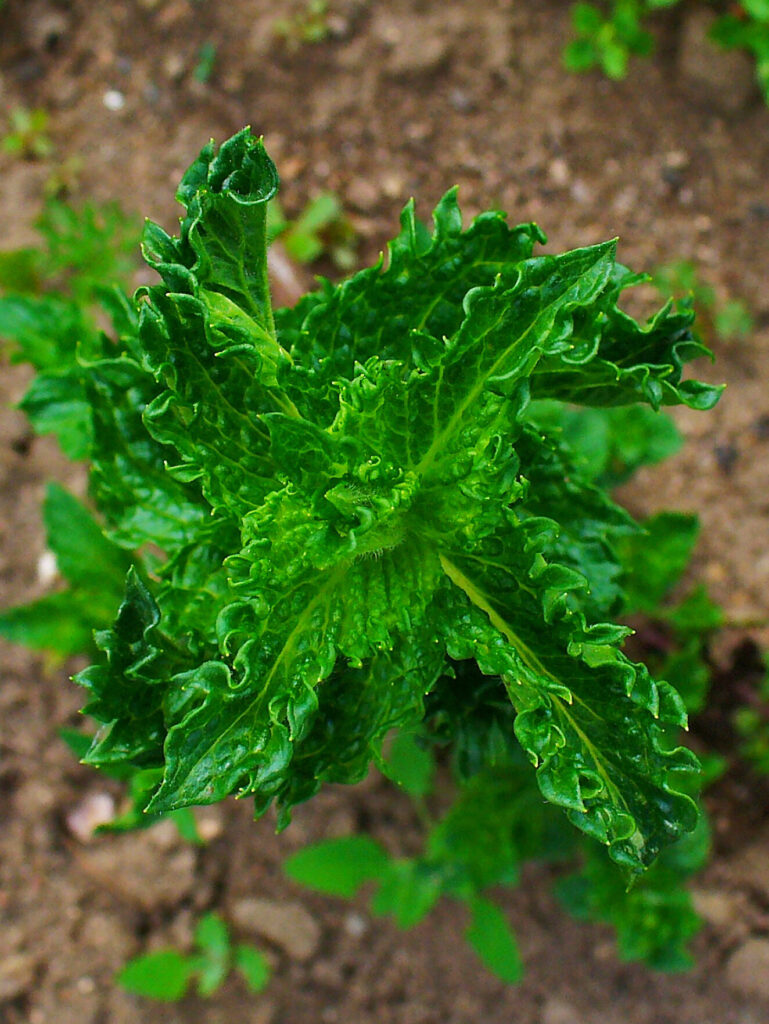
Spearmint, called “naanaa” in Morocco, is a perennial plant of the Lamiaceae family. Grown in gardens and fields all over the country, it stands out for its serrated, intensely green leaves and its characteristic fragrance, milder than that of peppermint. It is used fresh, dried or as an essential oil.
Used since antiquity in cooking as much as in herbal medicine, spearmint is recognised today for its digestive, antioxidant and soothing properties. It is the star ingredient of Moroccan tea, but it also lends itself to infusions made on their own or combined with other plants.
Composition and active compounds
The richness of spearmint lies in its essential oil and its phenolic compounds. Unlike peppermint, which is dominated by menthol, spearmint essential oil is composed mainly of carvone and limonene, which gives it its mild, fresh fragrance.
- Carvone: the majority component of the essential oil (about 40 to 60%), responsible for the aroma and the digestive properties.
- Limonene: the second most abundant compound (about 20%), with antioxidant properties.
- Rosmarinic acid: the plant’s main polyphenol, with antioxidant and anti-inflammatory virtues.
- Flavonoids (luteolin, flavones and flavanones) that reinforce the antioxidant action.
- Minerals: dried spearmint is notably a good source of iron.
The benefits of spearmint
The virtues of spearmint are widely documented by traditional use and by a number of scientific studies. Here are the main areas in which this plant is valued.
Easing digestion
This is its most widespread use. Thanks to its antispasmodic and carminative properties, spearmint helps relax the muscles of the digestive system, reduce bloating and limit intestinal gas. A cup of infusion after a meal calms the stomach and encourages smoother digestive comfort.
A natural antioxidant
Rich in rosmarinic acid and flavonoids, spearmint helps counter the free radicals responsible for oxidative stress. This antioxidant activity contributes to protecting cells and to general well-being.
Clearing the airways
Inhaled or drunk as an infusion, spearmint helps clear the airways and soothe the throat during a cold or seasonal congestion. Its aromatic compounds bring a sensation of freshness and clarity.
Women’s well-being
Several studies have looked at the effect of spearmint tea on female hormonal balance. Drunk regularly, it is traditionally used to support everyday comfort. These uses do not, however, replace appropriate medical follow-up.
Freshness and mental clarity
The aroma of spearmint is prized for its refreshing, invigorating effect. As an infusion, it helps clear the mind and restore a feeling of vitality, which explains its place in convivial moments such as tea.
How to use it and at what dosage
The simplest way to enjoy spearmint remains an infusion. Here are the most common benchmarks for use:
- Infusion: pour hot (not boiling) water over a handful of fresh leaves or a teaspoon of dried leaves, and steep for 5 to 10 minutes.
- Frequency: 2 to 3 cups a day, preferably after meals to support digestion.
- Fresh leaves: to add to salads, dishes and of course tea.
- Essential oil: use reserved for those who know what they are doing, always diluted and never for pregnant women or young children.
Precautions and contraindications
Although broadly safe at food doses, spearmint calls for a few precautions:
- Excessive consumption (more than 4 to 5 cups a day) can cause stomach ache, nervousness or sleeplessness.
- In people prone to gastro-oesophageal reflux or heartburn, mint can make symptoms worse; avoid it before bedtime.
- Allergic reactions (itching, rashes) are possible in sensitive people.
- The essential oil is not advised for pregnant or breastfeeding women or for young children.
- If you are on medical treatment or live with a chronic condition, ask a healthcare professional for advice.
Frequently asked questions about spearmint
Is spearmint good for digestion?
Yes. Its antispasmodic and carminative properties help reduce bloating, gas and digestive discomfort. A cup after a meal is the ideal moment to enjoy it.
What is the difference between spearmint and peppermint?
Spearmint contains mostly carvone and little menthol: its taste is milder. Peppermint, on the other hand, is rich in menthol, which gives it a more intense flavour and a cooler effect in the mouth.
How many cups of spearmint tea a day?
In general, 2 to 3 cups a day are enough to enjoy its digestive benefits, without exceeding 4 to 5 cups so as to avoid nervousness or sleep problems.
Conclusion
Spearmint is far more than a simple aromatic plant: it is a digestive, antioxidant and refreshing ally, deeply rooted in Moroccan culture. Drunk in moderation, as an infusion or in tea, it offers a simple and natural way to support your everyday comfort.
To go further
- Learn more about the botany of the plant: Spearmint on Wikipedia.
- Pennyroyal mint: benefits, dosage and precautions
- Ginger: benefits, dosage and precautions
- Spirulina: benefits, dosage and precautions
This article is provided for informational purposes and does not replace medical advice. Consult a healthcare professional before any use, particularly in case of pregnancy, breastfeeding, medical treatment or a chronic condition.